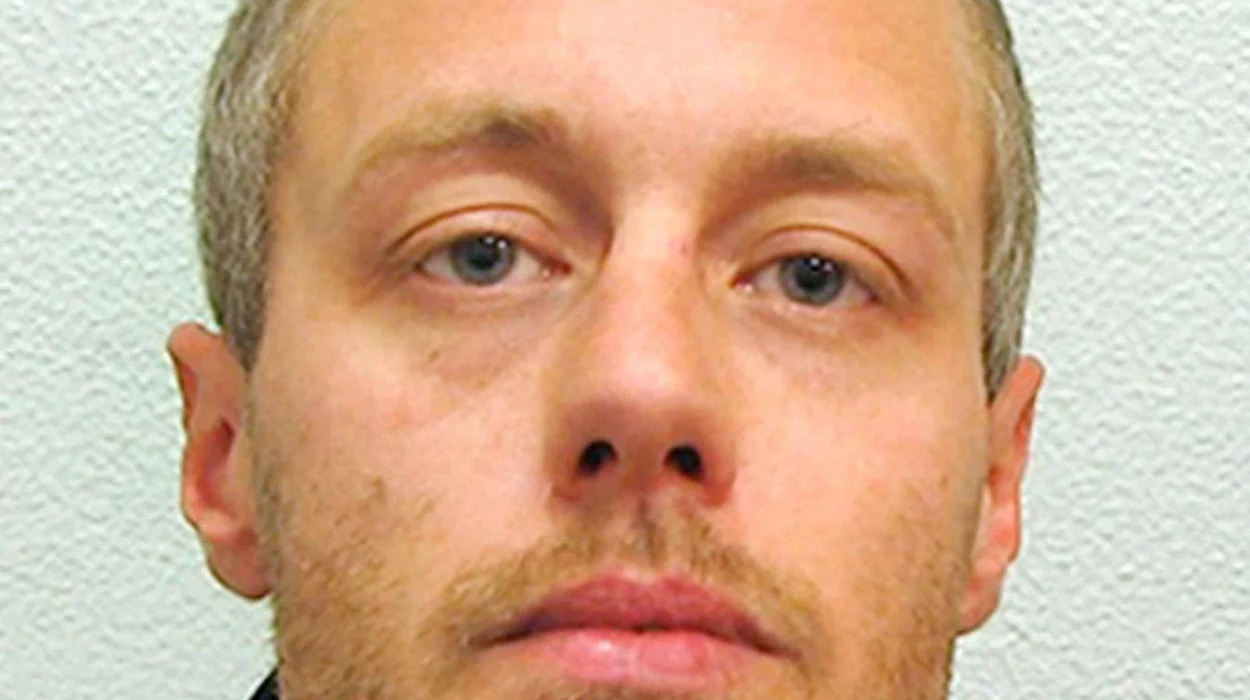
- David Norris, convicted murderer of Stephen Lawrence, has been denied parole by the Parole Board following a hearing where new evidence was considered.
- The decision was welcomed by Stephen Lawrence’s mother, Baroness Doreen Lawrence, who stated it ensures Norris remains behind bars where he belongs.
- Norris, now 48, is serving a minimum 15-year term after his 2012 conviction for the 1993 racist killing alongside Gary Dobson.
- The Parole Board cited concerns over Norris’s lack of remorse, risk to the public and failure to address his offending behaviour adequately.
- This marks the second parole denial for Norris, with the first in 2023 also rejected on similar grounds.
- Brother Alexander Norris was present at the hearing and expressed disappointment, claiming his brother had shown rehabilitation efforts.
- The case reignites debate over minimum tariff lengths and parole processes for life sentence prisoners in high-profile murder cases.
- Police investigations into remaining suspects Clifford Norris (David’s father), Matthew White and others continue, with no further charges.
- Baroness Lawrence has long campaigned for full justice, criticising past police handling and calling for systemic racism reforms.
- The hearing took place amid the 32nd anniversary of Stephen’s murder on 22 April 1993 in Eltham, south-east London.
David Norris, one of the two men convicted of murdering teenager Stephen Lawrence in a notorious racist attack 32 years ago, has been denied parole after the Parole Board ruled he still poses a risk to the public and shows insufficient remorse for his crime.
- Why was David Norris denied parole?
- What did the Lawrence family say about the decision?
- Who is David Norris and what was his role in the murder?
- How did Norris’s brother react to the parole denial?
- What is the history of Norris’s parole bids?
- Why does the case still matter 32 years on?
- What happens next for Norris and the investigation?
- How has public reaction been to the parole news?
Why was David Norris denied parole?
As reported by Vikram Dodd of The Guardian, the Parole Board announced its decision on Tuesday following an oral hearing where Norris’s case was reviewed in detail. The board stated that after careful consideration of all evidence, including Norris’s prison behaviour, psychological assessments and victim statements, it concluded that Norris “would represent a very high risk of harm to the public if released”. Dodd notes that specific factors included Norris’s limited engagement with rehabilitation programmes and his denial of key aspects of the murder despite conviction.
According to the Parole Board’s official statement, as covered by Dodd, the panel highlighted Norris’s “poor recall of the offence” and lack of insight into his racist motivations, which were central to the 1999 Macpherson Report declaring the murder a racist crime. The decision aligns with previous rejections, emphasising that life sentence prisoners must demonstrate substantial change before release. Family members of Stephen Lawrence provided powerful personal impact statements, underscoring the enduring trauma, which weighed heavily in the board’s deliberations.
What did the Lawrence family say about the decision?
As reported by Vikram Dodd in The Guardian, Baroness Doreen Lawrence, Stephen’s mother, welcomed the parole refusal, stating: “David Norris belongs behind bars and today’s decision ensures he stays there.” She added that the family continues to seek justice for the full circumstances of her son’s death, referencing the unresolved role of Norris’s father, Clifford Norris, in allegedly organising the attack. Dodd quotes Baroness Lawrence as saying the decision provides some comfort but does not end their fight against the systemic failures exposed by the case.
Brother Anthony Lawrence, in comments relayed through family statements and covered by multiple outlets, expressed relief that “justice is being served, at least for now”. The family’s response, as noted by Dodd, contrasts sharply with the pain of annual remembrances, with this parole hearing coinciding closely with the murder’s anniversary. Baroness Lawrence has previously used parole hearings to renew calls for a public inquiry into Clifford Norris’s influence and police corruption allegations.
Who is David Norris and what was his role in the murder?
Vikram Dodd of The Guardian provides context that David Norris, then 16, was the ringleader in the gang that murdered 18-year-old Stephen Lawrence on 22 April 1993 as he waited for a bus in Eltham. Norris, son of south London drug dealer Clifford Norris, stabbed Stephen multiple times in an unprovoked racist attack involving five white youths shouting racial slurs. Convicted in 2012 alongside Gary Dobson after a cold case review uncovered microscopic forensic evidence linking them to Stephen’s blood and clothing fibres, Norris received a minimum term of 14 years and three months.
As detailed in Dodd’s reporting, Norris became eligible for parole after serving his minimum tariff, but the board requires proof of reduced risk for life prisoners. Earlier acquittals in 1996 collapsed due to Norris family witness intimidation, later substantiated by investigations. The Guardian article reminds readers that three other suspects Matthew White, Luke Knight and Jamie Acourt were cleared, with Neil Acourt fleeing to Spain.
How did Norris’s brother react to the parole denial?
As covered by Dodd in The Guardian, Alexander Norris, David’s brother, attended the Parole Board hearing and voiced frustration post-decision. He claimed: “My brother has done everything asked of him in prison, including courses and work, but the system seems rigged against him.” Alexander argued that Norris had expressed remorse privately and posed no ongoing threat, criticising the board for undue influence from media and public pressure.
Dodd reports that Alexander Norris highlighted his brother’s “model prisoner” status, with no violent incidents during incarceration, and accused the process of being politically motivated due to the case’s profile. This family perspective contrasts with official assessments, reigniting debates over parole transparency for high-profile inmates.
What is the history of Norris’s parole bids?
According to Vikram Dodd’s Guardian timeline, this is Norris’s second parole denial; the first in late 2023 was rejected provisionally after written submissions, leading to this oral hearing. The board’s 2023 reasoning mirrored current concerns: inadequate remorse and unresolved risk factors tied to gang associations and racism. Dodd notes Norris will be eligible again in about two years, per standard life sentence review cycles.
Sky News coverage by Connor Gillies echoes that the 2023 bid failed on public safety grounds, with victim liaison officers ensuring Lawrence family input both times. The repeated denials underscore the high bar for release in racially motivated murders, influenced by the Macpherson inquiry’s findings on institutional racism.
Why does the case still matter 32 years on?
As analysed by Dodd in The Guardian, the Stephen Lawrence murder exposed deep flaws in the Metropolitan Police, leading to the 1999 Macpherson Report’s 70 recommendations on racism, many still debated today. Baroness Lawrence’s transformation into a cross-party peer and campaigner symbolises unfinished business, with her recent calls for Clifford Norris’s prosecution under corruption laws. The case spurred the double jeopardy law change, enabling Norris and Dobson’s retrial.
BBC reports by Daniel De Simone note ongoing private investigations by Kent Police into Clifford Norris’s role, promised since 2020 but yielding no charges. Public discourse, as per Dodd, questions why Norris senior evaded justice despite evidence of witness tampering via figures like police officer Clive Rust. The parole saga keeps the story in headlines, fuelling demands for a full public inquiry.
What happens next for Norris and the investigation?
The Guardian’s Vikram Dodd states Norris returns to prison for at least two more years before re-eligibility, with potential appeals to the High Court if he challenges the board’s reasoning. No immediate changes to his tariff, but good behaviour could shorten future waits. Dobson’s separate parole process remains pending.
As per Metropolitan Police updates cited by Dodd, cold case reviews continue, with digital forensics re-examined, though hopes for charging remaining suspects dim. Baroness Lawrence vows persistence, stating: “We won’t stop until all responsible are held accountable.” The decision reinforces victim rights in parole, per Justice Secretary Shabana Mahmood’s recent reforms enhancing family veto powers.
How has public reaction been to the parole news?
Social media and statements, as aggregated by The Guardian and Sky News, show overwhelming support for denial, with #JusticeForStephen trending. Campaign groups like the Stephen Lawrence Day Foundation praised the board’s caution. Critics of parole leniency cite Norris’s privileged background via his father as influencing perceptions of unfairness.
Dodd reports mixed brotherly support online, but dominant narrative celebrates family relief. Anniversaries amplify calls for policing reforms, linking to recent scandals like Child Q and Wayne Couzens.