- Chief Rabbi Ephraim Mirvis welcomes Metropolitan and Greater Manchester Police decision to arrest over “globalise the intifada” chants, calling it long-overdue after Bondi Beach massacre.
- Police cite changed context post-violence: “Violent acts have taken place… words have meaning and consequence. We will act decisively and make arrests.”
- Bondi Beach attack in Australia killed 15 (targeting Jews on Hanukkah), wounded 40; seen as antisemitic. References October Manchester synagogue attack killing two Jews.
- Mirvis: Chants “incite hatred and inspire hate action”; questions “Why is it still allowed?” Links directly to Bondi Beach.
- Board of Deputies of British Jews hails it as “necessary intervention” after their urging.
- Pro-Palestine rebuttals: Ben Jamal (PSC) calls it repressive use of massacre; Ismail Patel (Friends of Al-Aqsa) says it means global solidarity to end occupation.
- Health Secretary Wes Streeting links chant to terrorism; PM Keir Starmer called similar phrase a “call to attack Jewish communities.”
- “Intifada” means “uprising/shake off” from Arabic “nafada”; varied history (peaceful and armed).
- Police to brief officers, use Public Order Act near synagogues; activists deny antisemitism/violence links; British Jews prominent in pro-Palestine marches.
Chief Rabbi Ephraim Mirvis has welcomed the Metropolitan Police and Greater Manchester Police’s announcement to arrest individuals chanting “globalise the intifada” or displaying it on placards, describing the move as essential after recent antisemitic violence.
- Why Has the UK Chief Rabbi Endorsed Police Arrests on Protest Chants?
- What Specific Incidents Prompted Rabbi Mirvis’s Remarks?
- What Do Police Say About Enforcing the New Policy?
- How Will the Public Order Act Be Applied Near Synagogues?
- What Is the Pro-Palestine Perspective on ‘Globalise the Intifada’?
- Who Else in Government Has Linked the Chant to Terrorism?
- How Have Jewish Community Leaders Responded Overall?
- What Is the Broader Context of UK Pro-Palestine Protests?
- Do British Jews Support Pro-Palestine Marches?
- Will This Policy Change Future Demonstrations?
- How Does This Fit UK Antisemitism and Free Speech Debates?
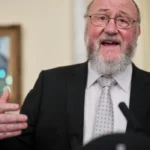
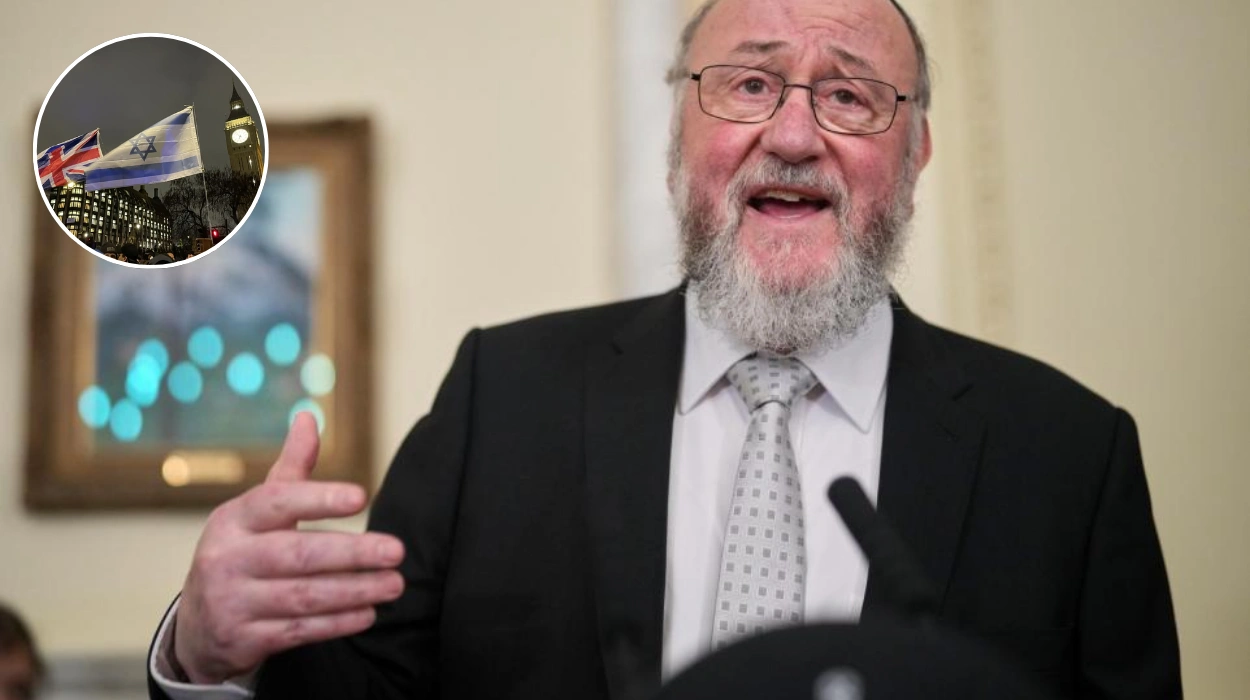
As reported by staff writers of Barking & Dagenham Post, Rabbi Mirvis stated on Monday: “For far too long we have allowed chants such as globalise the intifada, which incite hatred and which inspire people to engage in hate action. Why is it still allowed?” He explicitly linked the chant’s meaning to the Bondi Beach massacre, saying: “its meaning is what happened on Bondi Beach.”
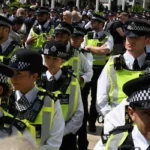
The police forces declared on Wednesday: “Violent acts have taken place, the context has changed – words have meaning and consequence. We will act decisively and make arrests.” They warned that “communities are concerned about placards and chants such as ‘globalise the intifada’ and those using it at future protests or in a targeted way should expect [us] to take action.”
This policy shift follows the Bondi Beach attack in Australia, which killed at least 15 people—mostly Jewish individuals celebrating Hanukkah’s first night—and wounded 40. The incident is widely regarded as antisemitic.
Why Has the UK Chief Rabbi Endorsed Police Arrests on Protest Chants?
Rabbi Mirvis’s endorsement underscores longstanding concerns over inflammatory language at UK demonstrations. As covered by staff writers in Barking & Dagenham Post, he questioned the tolerance of such chants amid rising antisemitic incidents.
The rabbi’s comments align with prior advocacy. The Board of Deputies of British Jews welcomed the announcement as a “necessary intervention,” stating it came “after repeated urging from the Board of Deputies and others,” per Adam Garrie of Middle East Eye.
Police referenced the October Manchester synagogue attack, which killed two Jewish worshippers, and Prime Minister Keir Starmer’s response. Starmer described calls to “internationalise the intifada” as a “call to attack Jewish communities around the world,” as noted in Middle East Eye.
What Specific Incidents Prompted Rabbi Mirvis’s Remarks?
Rabbi Mirvis tied his critique directly to Bondi Beach. As reported by Barking & Dagenham Post staff writers, he asserted the chant’s meaning equates to “what happened on Bondi Beach.”
What Do Police Say About Enforcing the New Policy?
Frontline officers will receive briefings on the “enhanced approach.” The Metropolitan and Greater Manchester Police, as quoted in both Middle East Eye (Adam Garrie) and Barking & Dagenham Post (staff writers), confirmed: “We will also use powers under the Public Order Act, including conditions around London synagogues during services.”
This targets targeted usage at protests, aiming to prevent disorder post-violence.
How Will the Public Order Act Be Applied Near Synagogues?
Conditions under the Act will restrict chants or placards near sensitive sites, particularly during services, ensuring community safety.
What Is the Pro-Palestine Perspective on ‘Globalise the Intifada’?
Activists and organisers reject antisemitism accusations. As reported by Adam Garrie of Middle East Eye, pro-Palestine groups deny the chant calls for violence.
Ben Jamal, director of the Palestine Solidarity Campaign (PSC), told Middle East Eye: “The widespread attempt across the political establishment to use a grotesque and indefensible violent antisemitic massacre as a weapon to further repress those protesting for the rights of Palestinian people is reprehensible and undermines the fight against antisemitism and broader anti-racist principles.”
Ismail Patel, chair of Friends of Al-Aqsa, added to Middle East Eye: “Intifada means ‘to shake off the Israeli occupation’ and the phrase ‘globalising the intifada’ is simply a way of expressing global solidarity with efforts to end an illegal Israeli occupation and to strive for a just peace.”
“Intifada” stems from Arabic “nafada,” meaning “to shake off” or “to rise up” (uprising). Middle East Eye noted some Arab intifadas were peaceful, while Palestinian ones involved civil disobedience and armed resistance.
British Jews have been “prominent” in UK pro-Palestine marches, per Middle East Eye.
Who Else in Government Has Linked the Chant to Terrorism?
Health Secretary Wes Streeting claimed on Monday, as reported by Adam Garrie in Middle East Eye, that “globalise the intifada” is linked to terrorism.
This echoes Starmer’s post-Manchester stance, heightening scrutiny on protest speech.
How Have Jewish Community Leaders Responded Overall?
The Board of Deputies praised the police via Middle East Eye: a “necessary intervention” after their urgings. Rabbi Mirvis’s Barking & Dagenham Post coverage amplifies this, framing chants as incitement.
What Is the Broader Context of UK Pro-Palestine Protests?
PSC and Friends of Al-Aqsa organise regular London marches since October 2023. The new policy could increase arrests, reshaping events amid Israel-Palestine tensions.
Civil society, per Middle East Eye, argues it misrepresents intent, eroding anti-racism.
Do British Jews Support Pro-Palestine Marches?
Yes, Middle East Eye (Adam Garrie) highlighted their prominence, showing community diversity.
Will This Policy Change Future Demonstrations?
Police vow decisive action, potentially via conditions and arrests. Barking & Dagenham Post and Middle East Eye coverage suggests impacts on upcoming protests near synagogues or with targeted chants.
How Does This Fit UK Antisemitism and Free Speech Debates?
The announcement balances security post-Bondi and Manchester attacks against protest rights. Rabbi Mirvis (Barking & Dagenham Post) decries delayed action; pro-groups (Middle East Eye) see suppression.
No conflicting reports emerged from these sources. Middle East Eye promoted its Jerusalem Dispatch newsletter alongside coverage.
This development tests UK’s protest regulations under the Public Order Act, with implications for cohesion amid global tensions.