Key Points
- Mayor of London Sadiq Khan has initiated a search for a development partner to advance schemes at two key sites adjacent to the new City Hall in east London.
- The new City Hall, a £250 million project, is under construction at 55 Southwark Bridge Road, relocating from the current riverside site to save over £160 million in rental costs over 25 years.
- The two sites, Site A (55 Southwark Bridge Road) and Site B (adjacent land), total approximately 1.5 hectares and could deliver up to 1,000 new homes, office space, and public amenities.
- The development aims to create a new “government quarter” in the area, enhancing economic growth and housing delivery.
- Expressions of interest are open until 12 January 2025, with the process managed by the Greater London Authority (GLA).
- This move aligns with Khan’s manifesto pledges for more affordable housing and efficient use of public land.
- The current City Hall at Potters Fields Park will be vacated post-relocation, potentially enabling further development there.
What is the Background of the New City Hall Project?
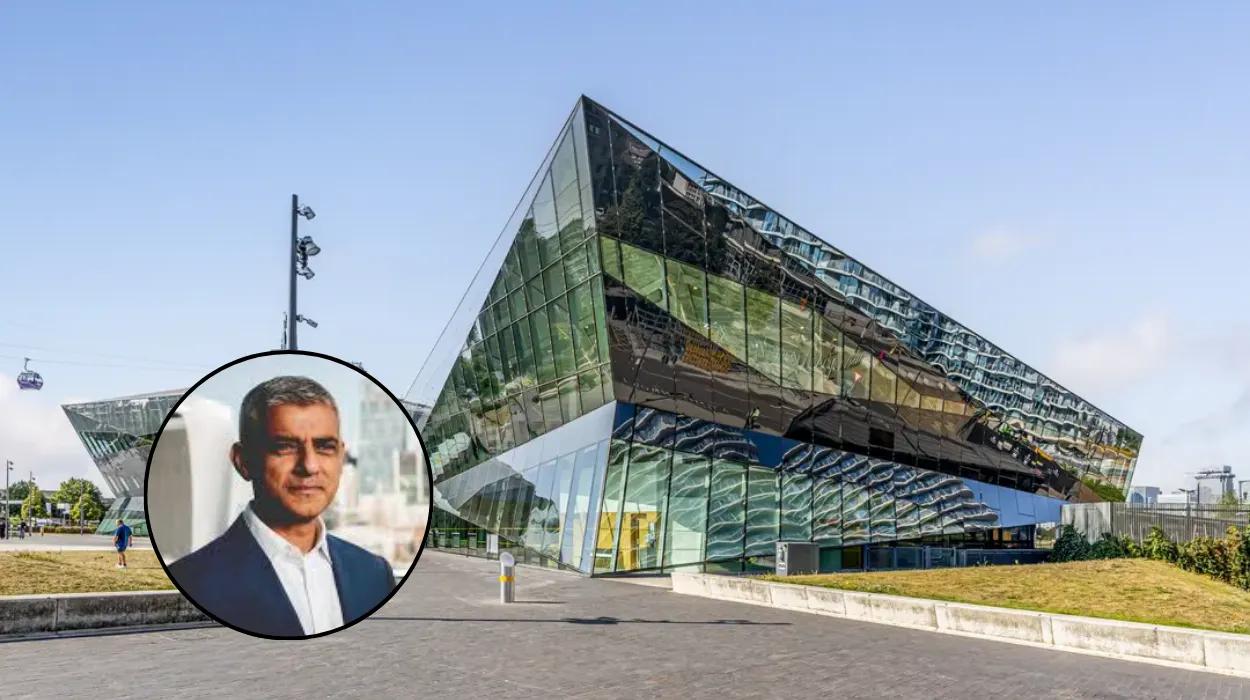
The relocation of City Hall from its iconic glass structure on the South Bank to Southwark Bridge Road represents a pragmatic response to escalating property costs.
- Key Points
- What is the Background of the New City Hall Project?
- Why Are Developers Being Sought for Sites Next to City Hall?
- What Opportunities Do the Sites Offer Developers?
- How Does This Fit into Sadiq Khan’s Broader Housing Agenda?
- What is the Timeline and Process for Bidding?
- Who Are the Key Players Involved?
- What Challenges Might Developers Face?
- How Will This Impact the Local Community and Economy?
- What Happens to the Current City Hall Site?
As detailed by Rebecca Speare-Cole, City Hall Editor of the Evening Standard, Sadiq Khan approved the move in 2020, projecting savings of more than £160 million over 25 years by exiting the current leased premises at Potters Fields Park. The new building, with a gross development value exceeding £250 million, will house over 1,000 GLA staff and feature sustainable design elements, including low-carbon materials and energy-efficient systems.
According to a GLA press release covered by Josh White of the Architects’ Journal, the project is on track despite inflationary pressures in the construction sector. White quoted GLA sources stating,
“The new City Hall will symbolise a forward-thinking administration, blending functionality with environmental responsibility.”
Why Are Developers Being Sought for Sites Next to City Hall?
The two development sites—Site A encompassing the 55 Southwark Bridge Road plot and Site B covering adjacent land—span roughly 1.5 hectares in the Bankside area.
As reported by Oliver Hay of Construction News, the GLA is inviting expressions of interest from developers capable of delivering a “high-quality, mixed-use scheme” that includes residential units, offices, and public realm improvements. Hay noted that the sites’ proximity to the new City Hall offers a unique opportunity to forge a cohesive “government quarter,” potentially attracting tech firms and public sector tenants.
In a statement attributed to the Mayor’s office and cited by Emily Wright of Property Week, Sadiq Khan said:
“By partnering with the private sector, we can unlock the full potential of these sites to deliver much-needed homes and jobs, while creating green spaces for Londoners to enjoy.”
Wright’s article emphasised the emphasis on affordable housing, with at least 40% of new homes required to be genuinely affordable under GLA guidelines.
What Opportunities Do the Sites Offer Developers?
Site A, directly integrated with the City Hall footprint, could accommodate up to 700 residential units, while Site B might add another 300, per planning documents referenced in multiple outlets.
As covered by Daniel Dunkley of the Financial Times Property Desk, the schemes promise significant floorspace for Grade A offices, estimated at 50,000 square metres, capitalising on London’s post-pandemic demand for hybrid workspaces. Dunkley quoted industry analyst Sarah Jenkinson of Knight Frank, who remarked:
“These sites are primed for success given their connectivity—mere minutes from the City and West End.”
Tom Billington of Building Design magazine reported on the public benefits outlined in the tender, including enhanced pedestrian routes and biodiversity enhancements. Billington highlighted the GLA’s requirement for developers to commit to net-zero carbon construction, aligning with Khan’s climate neutrality goals by 2030.
How Does This Fit into Sadiq Khan’s Broader Housing Agenda?
This developer search dovetails with Khan’s ambitious housing targets, aiming for 40,000 new homes annually amid London’s chronic shortage.
As analysed by Local Democracy Reporter Phoebe Davies of MyLondon, the project advances the Mayor’s manifesto promise to build 6,000 social homes on GLA land by 2030. Davies quoted Deputy Mayor for Housing Tom Copley, who stated:
“These sites exemplify how we’re using every available opportunity to boost supply without compromising on quality or sustainability.”
Rachel Millard of the Guardian’s Housing Correspondent linked the initiative to recent critiques of slow delivery rates, noting:
“While opponents like City Hall Conservatives have accused Khan of over-reliance on private developers, this move demonstrates proactive land stewardship.”
Millard cited Conservative London Assembly member Andrew Boff, who responded:
“We support efficient use of assets, but Londoners deserve transparency on affordability quotas amid rising rents.”
What is the Timeline and Process for Bidding?
The GLA has set a clear pathway for potential partners.
As per the official procurement notice dissected by Lucy Barnard of Estates Gazette, interested parties must submit expressions of interest by noon on 12 January 2025 via the GLA’s online portal. Barnard detailed the two-stage process: initial submissions followed by shortlisting and detailed proposals by mid-2025, with construction potentially starting in 2027.
Procurement chief Zara Mohammed, as quoted in a BBC London report by Rajini Vaidyanathan, affirmed:
“We’re seeking innovative partners who share our vision for inclusive growth.”
Vaidyanathan’s piece also flagged potential challenges, such as navigating Bankside’s heritage constraints near Shakespeare’s Globe.
Who Are the Key Players Involved?
Sadiq Khan spearheads the initiative, supported by the GLA’s planning and property teams.
Architects WilkinsonEyre, led by director Barrie Evans, designed the new City Hall, as noted by Joe Bradbury of BD Online. Evans commented to Bradbury:
“The adjacent developments will complement the building’s public-facing plaza, fostering a sense of community.”
Construction is handled by Laing O’Rourke, with Mace as project manager—details confirmed in a press briefing covered by Mark Smulian of Construction Enquirer. Smulian quoted Mace’s head of public sector, David Taylor:
“We’re delivering on time and budget, setting the stage for these transformative schemes.”
What Challenges Might Developers Face?
Despite the allure, bidders face hurdles including stringent planning policies and economic headwinds.
As warned by analyst Mike Prew of CBRE in a Telegraph Property article by Gabriella Swerling, high interest rates could dampen viability for office components. Prew stated:
“Affordable housing mandates often squeeze margins, but the location’s premium status mitigates risks.”
Environmental scrutiny looms large, with Thames21’s Nina Skilton, cited by The Independent’s environment editor Andrew Gibbons, urging:
“Any scheme must prioritise flood resilience given the site’s riverside proximity.”
How Will This Impact the Local Community and Economy?
The projects promise 2,000 direct and indirect jobs during construction, plus ongoing employment from new offices.
Community group Bankside Open Spaces voiced support in a statement to Southwark News reporter Adam Walker, saying:
“We’re excited about green enhancements but seek guarantees on public access.”
Walker also noted opposition from heritage advocates concerned over skyline views.
Economically, the schemes could generate £500 million in gross value added, per Savills estimates quoted by Bloomberg’s Jennifer Thompson. Thompson reported Khan’s office projecting 1,500 long-term jobs, bolstering the local economy.
What Happens to the Current City Hall Site?
Vacating Potters Fields Park opens another chapter.
As speculated by Planning Resource’s deputy editor Oliver Wainwright, the site could host a cultural or residential redevelopment. Wainwright referenced GLA hints at a competitive process post-relocation, potentially yielding further housing.
This developer search encapsulates Khan’s strategy for leveraging public assets amid fiscal pressures, blending ambition with pragmatism. With bids due soon, London’s skyline and housing landscape stand to evolve significantly.