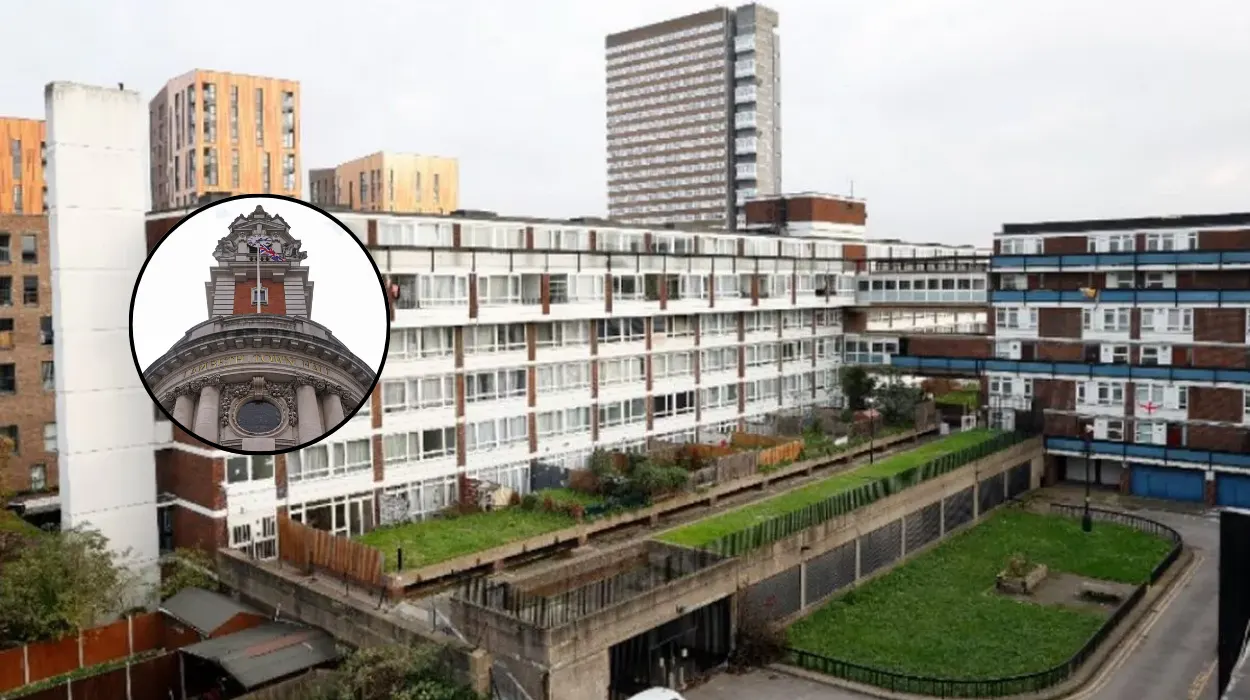
East London is served by several borough councils, each acting as a principal local authority responsible for delivering vital public services to residents. These councils include Barking and Dagenham, Hackney, Havering, Newham, Redbridge, Tower Hamlets, and Waltham Forest. They operate under the broader oversight of the Greater London Authority (GLA), which coordinates city-wide strategies and policies. Each council is democratically elected, ensuring local representation and accountability.
Historical Evolution
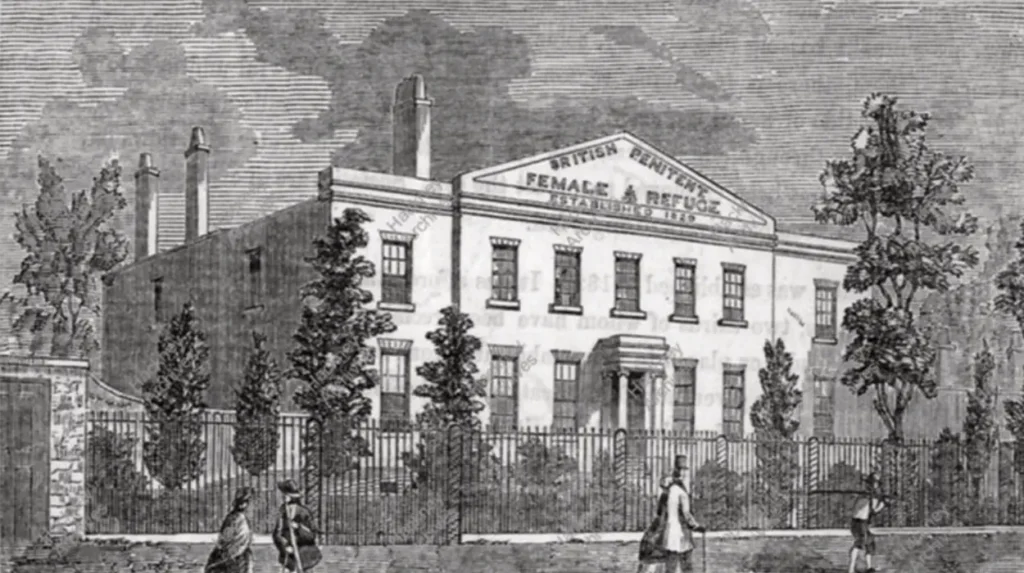
The structure of East London councils has evolved over time, beginning with reforms in the 19th century and culminating in the creation of the modern borough system in 1965. The London Government Act of 1963 consolidated smaller districts into the current boroughs, streamlining governance and service delivery. This historical transformation laid the foundation for today’s local government, which continues to adapt to the needs of a growing and diverse population.
Structure and Governance
Each East London borough council is led by a council leader and a cabinet, with councillors elected every four years. Councils manage a wide range of local services, including housing, education, social care, waste management, planning, and environmental health. They are also responsible for setting local council tax rates and managing budgets, ensuring that resources are allocated to meet the needs of their communities.
Functions and Responsibilities
East London councils deliver essential services that impact daily life, such as managing council housing, running schools, providing social care, organizing waste collection, overseeing planning and regeneration, and promoting public health. Their responsibilities ensure that communities have access to safe housing, quality education, and supportive social services, contributing to the overall well-being of residents.
Relationship with the Greater London Authority
The Greater London Authority (GLA), led by the Mayor of London and the London Assembly, works alongside borough councils to manage strategic city-wide functions such as transport, policing, and economic development. Collaboration between borough councils and the GLA is crucial for addressing issues like transport planning, climate action, and public health, ensuring a coordinated approach to London’s challenges.
Recent Developments and Challenges
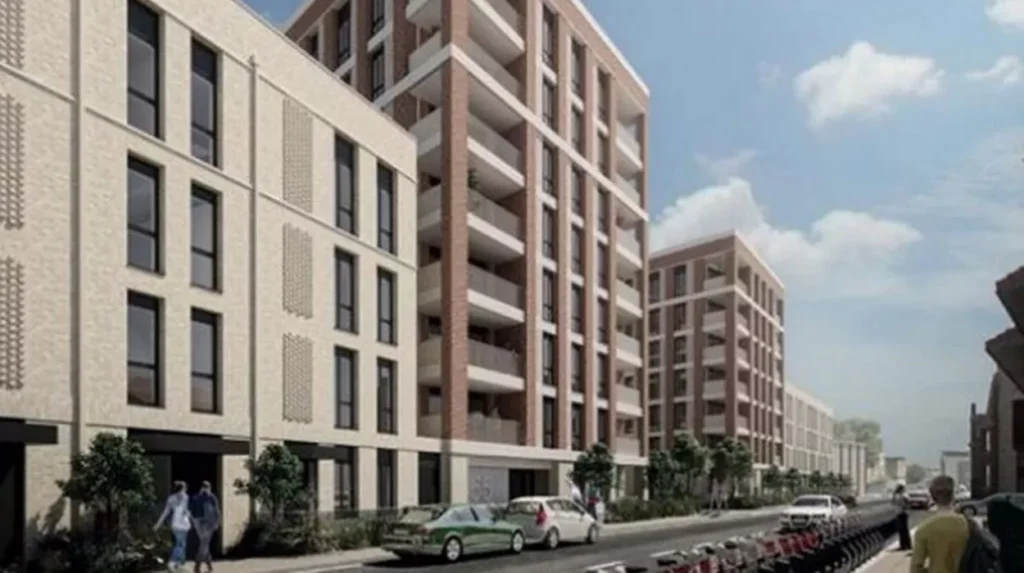
East London councils face ongoing challenges, including budget constraints, rising demand for social services, and the need for regeneration. Boroughs have advocated for more devolved powers to improve decision-making and service delivery, though debates continue over the balance between local autonomy and strategic oversight.
Community Engagement and Local Democracy
Community engagement is a priority for East London councils, with efforts to involve residents in local decision-making through public consultations, neighborhood forums, and digital platforms. Local councillors represent specific wards and are accountable to their constituents, ensuring that local voices are heard in shaping policies and services.
Looking Ahead
East London councils will remain central to the region’s future, adapting their strategies to address challenges such as climate change, housing shortages, and social inequality. Continued collaboration with the GLA, central government, and local residents will be key to achieving sustainable and inclusive growth for East London.