Key Points
- New Department for Education (DfE) data ranks government-funded primary schools in Barking and Dagenham based on “overall performance at end of key stage 2”.
- Metrics include percentage of pupils meeting the expected standard (scaled score of 100+ in reading and maths tests, plus teacher assessment of ‘working at the expected standard’ or better in writing) and percentage achieving a higher standard.
- Average pupil scores in reading and maths are also documented, with national expected score at 100.
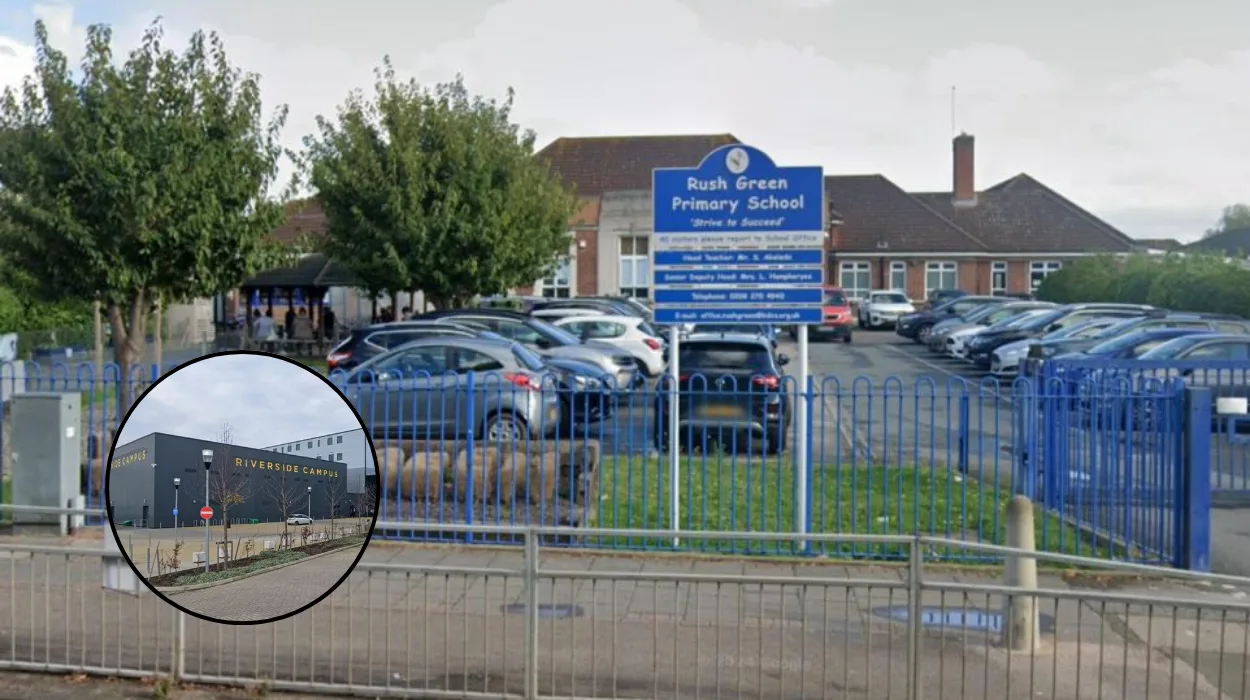
- Top performer: Rush Green Primary School (Dagenham Road) – 89% met expected standard, 22% higher standard, averages 110 reading, 111 maths.
- Second: St Margarets CofE Primary School (North Street) – 89% met expected standard, 13% higher standard, average 107 reading and maths.
- Third highest expected standard: Riverside Primary School (Renwick Road) – 87% met expected standard, 23% higher standard, average 110 reading and maths.
- Eastbury Community School (Hulse Avenue) – 84% met expected standard, 18% higher standard, averages 110 reading and maths.
- Lowest performer (excluding special schools): Eastbury Primary School (Dawson Avenue) – 45% met expected standard, 6% higher standard, 103 reading, 101 maths.
- Second lowest: Rose Lane Primary School – 48% met expected standard, 7% higher standard, 103 reading, 102 maths.
- Third lowest: Becontree Primary School (Stevens Road) – 53% met expected standard, 8% higher standard (specific averages not detailed in source data).
What Are the Top-Performing Primary Schools in Barking and Dagenham for 2025?
As detailed in the primary DfE dataset analysed across multiple outlets, Rush Green Primary School leads the pack. Located on Dagenham Road, it boasts 89% of pupils meeting the expected standard at key stage 2 end. Notably, 22% achieved higher standards, with pupils averaging 110 in reading and 111 in maths.
- Key Points
- What Are the Top-Performing Primary Schools in Barking and Dagenham for 2025?
- How Is Primary School Performance Measured in the DfE 2025 Data?
- Which Schools Ranked Lowest in Barking and Dagenham’s 2025 Primary Performance?
- What Do the Average Scores Tell Us About Borough Performance?
- Why Do These DfE Rankings Matter for Parents and Policymakers?
- How Does Barking and Dagenham Compare Nationally?
St Margarets CofE Primary School in North Street matches this top expected standard rate of 89%. Here, 13% of pupils hit higher benchmarks, supported by average scores of 107 across reading and maths, as per the DfE metrics.
Riverside Primary School in Renwick Road secured the third-highest expected standard attainment at 87%. A strong 23% of its pupils achieved higher standards, backed by average scores of 110 in both reading and maths – figures that underscore its competitive edge.
Eastbury Community School in Hulse Avenue rounded out the top tier with 84% meeting expectations and 18% excelling further. Its pupils averaged 110 in reading and maths, positioning it as a solid performer just behind the leaders.
These rankings draw directly from the DfE’s 2025 release, which aggregates test and assessment data to rank government-funded schools excluding specials.
How Is Primary School Performance Measured in the DfE 2025 Data?
The DfE defines meeting the expected standard as pupils securing a scaled score of 100 or above in reading and maths tests, combined with a teacher assessment of ‘working at the expected standard’ or better in writing. Higher standards reflect even greater attainment beyond these thresholds.
Average scores provide additional context: national expectations hover at 100, so borough schools exceeding this demonstrate above-average prowess. As reported in coverage of the DfE release, these metrics offer a balanced view of reading, maths, and writing progress by year six.
Pupils’ results are documented holistically, capturing both breadth (percentage meeting standards) and depth (averages and higher achievers). This methodology, unchanged in the 2025 dataset, ensures comparability with prior years.
Which Schools Ranked Lowest in Barking and Dagenham’s 2025 Primary Performance?
At the opposite end, Eastbury Primary School in Dawson Avenue recorded the lowest performance, with 45% of pupils meeting the expected standard – excluding special schools from consideration. Just 6% achieved higher standards, though average scores remained above national norms at 103 in reading and 101 in maths.
Rose Lane Primary School posted the second-lowest rate, at 48% meeting expectations and 7% reaching higher levels. Its averages stood at 103 for reading and 102 for maths, per DfE figures.
Becontree Primary School in Stevens Road fared slightly better among laggards, with 53% achieving as expected and 8% excelling. Specific average scores for this school were not itemised in the core dataset summary but align with broader trends.
These lower rankings spotlight areas for potential intervention, even as averages nudge above the 100 benchmark.
What Do the Average Scores Tell Us About Borough Performance?
Rush Green Primary School’s pupils shone brightest, averaging 110 in reading and 111 in maths – clear exceedances of the 100 threshold. St Margarets CofE managed 107 across both, while Riverside and Eastbury Community School both hit 110.
Even struggling schools showed resilience: Eastbury Primary’s 103 reading and 101 maths averages, Rose Lane’s 103 and 102, and implied positives at Becontree suggest foundational strengths despite lower overall attainment percentages.
Across the board, Barking and Dagenham primaries edged national averages in key metrics, hinting at progress amid socioeconomic pressures typical of the East London borough.
Why Do These DfE Rankings Matter for Parents and Policymakers?
These figures empower parents scouting options for key stage 2 transitions, spotlighting schools like Rush Green and St Margarets for consistent delivery. Policymakers can target support to lower performers such as Eastbury Primary, fostering equity.
The data, released in 2025, reflects post-pandemic recovery trends, with higher-standard achievers (e.g., Riverside’s 23%) indicating pockets of aspiration.
Barking and Dagenham’s mix – 89% highs to 45% lows – mirrors national variances, urging sustained investment.
How Does Barking and Dagenham Compare Nationally?
While borough-specific, the DfE data positions top schools like Rush Green (110-111 averages) as national standouts. Bottom schools’ scores above 100 signal no crisis, but gaps in expected standard percentages (45-89%) exceed typical national spreads.
Contextual factors like deprivation indices in the borough likely influence outcomes, as noted in DfE explanatory notes.