Tower Hamlets Council stands as a cornerstone of East London’s vibrant history and modern-day transformation. From its roots in the Tower Division of Middlesex to its current status as one of the most dynamic boroughs in the capital, Tower Hamlets has played a pivotal role in shaping the character of East London. This article explores the council’s origins, its evolving powers, its impact on housing and social services, and its ongoing role in community life—making it essential reading for residents, visitors, and anyone interested in the enduring legacy of East London.
Origins and Historical Evolution
Tower Hamlets Council was officially established on 1 April 1965, following the London Government Act 1963. It was formed by merging three historic metropolitan boroughs: Bethnal Green, Poplar, and Stepney. Before this, the area was known as the Tower Division, a liberty under the jurisdiction of the Constable of the Tower of London rather than the Lord Lieutenant of Middlesex. This unique status gave Tower Hamlets a distinctive identity that persisted until the creation of the County of London in 1889.
The amalgamation marked a new era, with the council assuming responsibility for local services and governance. Initially, Tower Hamlets operated as a lower-tier authority, with upper-tier functions managed by the Greater London Council until its abolition in 1986. From then on, Tower Hamlets Council took on a broader range of responsibilities, including education, housing, and social services.
Powers and Responsibilities
Today, Tower Hamlets Council is a full-service local authority with a wide range of powers and duties. These include setting council tax, collecting precepts for Greater London Authority functions, and managing business rates. The council is responsible for planning policies, which complement those set by the Greater London Authority and national government. It decides on most planning applications, manages council housing, oversees social services, runs libraries, collects and disposes of waste, and maintains most local roads and environmental health standards.
Since 1990, Tower Hamlets has also been a local education authority, responsible for schools and educational services within the borough. This broad remit means the council plays a central role in the daily lives of residents, from supporting vulnerable families to ensuring the upkeep of public spaces.
Political Landscape and Leadership
The political history of Tower Hamlets Council is marked by both continuity and change. The council has seen shifts in party control, with periods of Labour dominance and more recent changes reflecting the borough’s evolving demographics and priorities. In 2010, a referendum led to the creation of the directly elected Mayor of Tower Hamlets, a move designed to give residents a stronger voice in local governance.
The position of Mayor has been held by several notable figures, including Lutfur Rahman, whose tenure was marked by controversy and legal challenges over electoral fraud. Despite these challenges, the mayoral system has continued, reflecting Tower Hamlets’ commitment to democratic accountability and local empowerment.
Housing and Social Reform
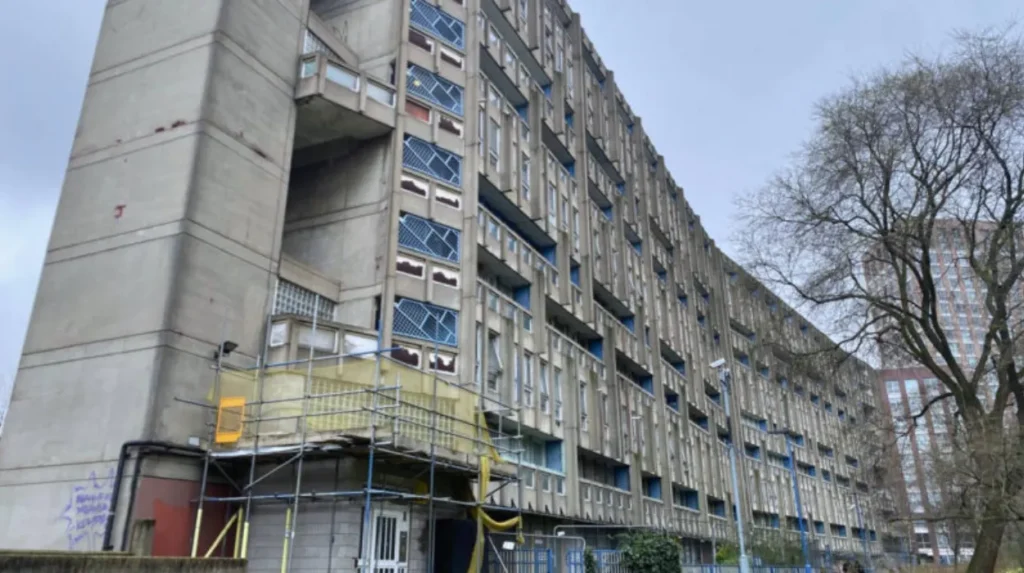
Tower Hamlets has a long history of pioneering social housing. The Boundary Estate, opened in 1900, was Britain’s first council estate and set a precedent for future housing reform. Although only a small number of original residents from the slums it replaced were housed in the new estate, the Boundary Estate marked the beginning of a sustained effort to improve living conditions in one of London’s most densely populated areas.
Over the decades, Tower Hamlets Council has continued to invest in social housing, tackling overcrowding and ensuring access to affordable homes. The council’s housing department works closely with residents to manage estates, address maintenance issues, and support those in need of temporary accommodation.
Community and Cultural Impact
Tower Hamlets is renowned for its rich cultural diversity and strong community spirit. The borough is home to landmarks such as the Tower of London, the Whitechapel Bell Foundry, and the East London Mosque—the largest mosque in the UK. These sites reflect the area’s unique blend of history, tradition, and multiculturalism.
The council actively supports local events, festivals, and initiatives that celebrate the borough’s heritage and bring people together. From the annual Bangladeshi New Year celebrations to community arts projects, Tower Hamlets Council plays a vital role in fostering a sense of belonging and pride among residents.
Council Premises and Modernisation
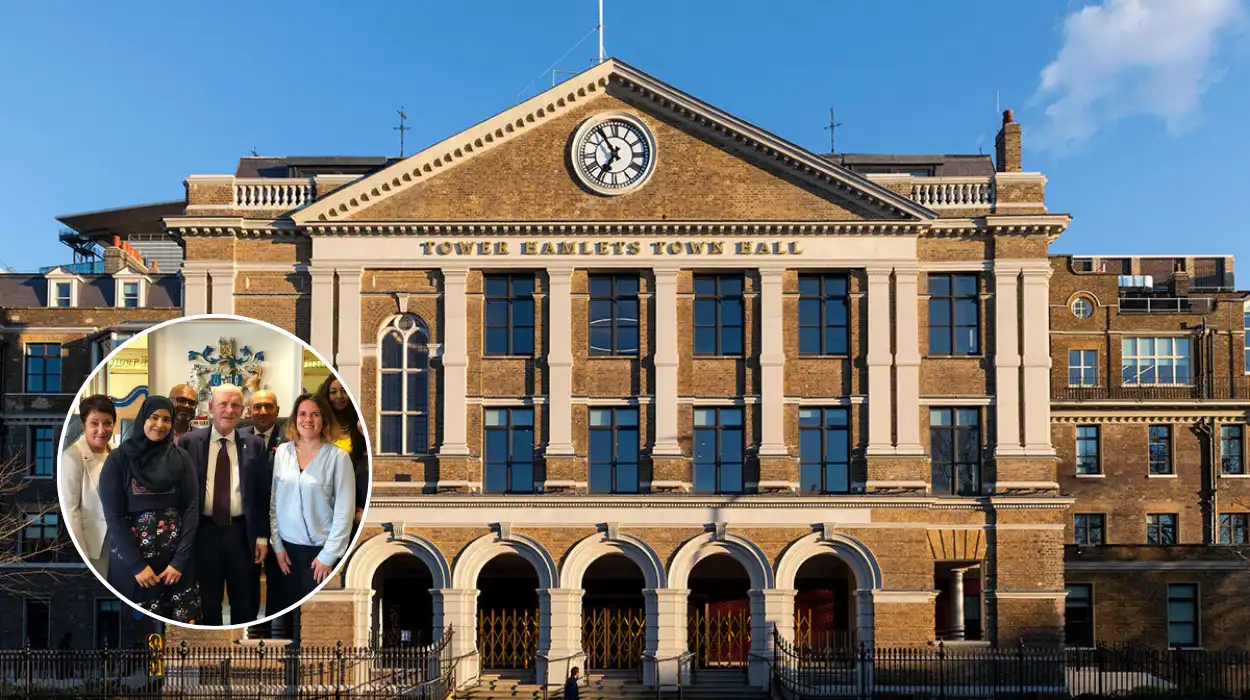
Tower Hamlets Council has moved several times since its inception. Initially based at the old Bethnal Green Town Hall, the council relocated to Mulberry Place in Blackwall in 1993. In 2023, the council moved again, this time to Tower Hamlets Town Hall at 160 Whitechapel Road. The new town hall was built behind the preserved façade of the historic Royal London Hospital, symbolising the borough’s respect for its past while embracing the future.
Why Tower Hamlets Council Matters
Tower Hamlets Council is more than just a local authority; it is a symbol of East London’s resilience, innovation, and community spirit. Its history reflects the broader story of London’s East End—from a hub of industry and immigration to a modern, multicultural borough that continues to shape the capital’s identity.
For residents, the council provides essential services and support, ensuring that Tower Hamlets remains a vibrant and inclusive place to live. For visitors, it offers a gateway to the rich history and culture of East London. And for anyone interested in the evolution of urban governance, Tower Hamlets Council stands as a testament to the power of local democracy and community action.