Key Points
- Havering Council is advancing plans to spray a polymer seal on high-risk areas of Arnolds Field in Launders Lane, Rainham, east London – known as the ‘Rainham Volcano’ – to prevent underground oxygen from fuelling fires.
- The site, a former illegal landfill, has ignited over 100 times since 2019, releasing potentially harmful smoke into nearby homes.
- Declared officially contaminated following a judicial review in October after a High Court ruling in June deemed the council’s prior inaction unlawful.
- Temporary measure aims to buy time for landowner to submit development plans or permanent solutions; contractor hiring to be agreed next month.
- Council leader Ray Morgon states discussions with landowner for implementation before next summer.
- Havering Residents Association supports the polymer seal as sufficient for interim period.
- Council funding the work (cost undisclosed); seeking contributions from DEFRA, Ministry for Housing, Communities and Local Government, Environment Agency, and Greater London Authority.
- Historical issues: Illegal fly-tipping, firearms storage, and drug production from 2002-2014 caused waste buildup leading to fires.
- Previous council estimate: Substantial works could take 3-7 years.
- Legal campaign led by Clean the Air Havering prompted court rulings.
Havering Council has approved initial steps to combat recurrent fires at the notorious ‘Rainham Volcano’ site in east London, opting for a polymer seal to smother potential blazes at Arnolds Field, Launders Lane. The former illegal landfill, declared contaminated after a judicial review in October, has burned over 100 times since 2019, blanketing nearby homes in hazardous smoke. Council leader Ray Morgon confirmed the authority will fund the temporary fix while pressing the landowner for a permanent resolution, with contractor tenders set for next month.
- Key Points
- What Is the ‘Rainham Volcano’ and Why Does It Keep Burning?
- How Will the Polymer Seal Prevent Fires at Arnolds Field?
- What Sparked the Legal Battle Over the site’s Contamination Status?
- Who Is Funding the Fire Prevention Work and What Does It Cost?
- When Will the Temporary Solution Be Implemented?
- What Long-Term Plans Exist for Arnolds Field?
- How Have Residents Been Affected by the Fires?
- What Role Did Clean the Air Havering Play in This Development?
- Are There Similar Sites in London Facing Fire Risks?
- What Challenges Lie Ahead for Havering Council?
This development follows a High Court ruling in June that branded the council’s earlier failure to classify the site as contaminated as unlawful, capping a campaign by local group Clean the Air Havering.
What Is the ‘Rainham Volcano’ and Why Does It Keep Burning?
Arnolds Field in Rainham, dubbed the ‘Rainham Volcano’ due to its smouldering mound resembling a volcanic peak, stems from years of unchecked illegal dumping. Between 2002 and 2014, the site became a hub for significant fly-tipping, illegal firearms storage, and drug production, as detailed in council reports.
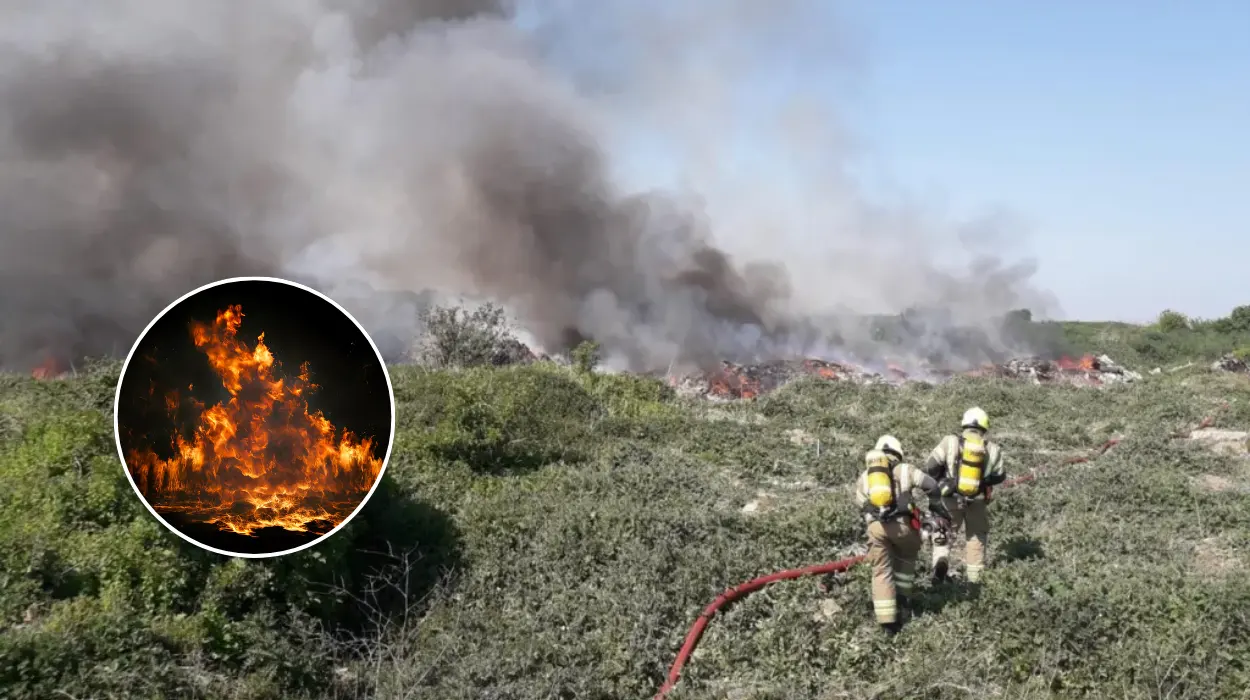
The sheer volume of unmanaged waste has created an underground tinderbox, where decomposing materials generate heat and methane that ignites spontaneously. Havering Council attributes the over 100 fires since 2019 directly to this legacy, with smoke plumes carrying potential toxins into residential areas.
As reported by BBC News in their article on the judicial review, the site’s perils were underscored when it was officially declared contaminated in October following legal scrutiny.
How Will the Polymer Seal Prevent Fires at Arnolds Field?
The council’s strategy centres on spraying high-risk zones with a polymer seal designed to block oxygen ingress underground, starving fires of fuel. Ray Morgon, leader of Havering Council, explained:
“We are in talks with the landowner about putting a temporary solution in before next summer to stop the fires until he can implement a permanent solution, either through putting forward a planning application on developing the land, that should include solving the problem for good, or through some other means.”
This interim measure, the council states, will provide breathing room for the landowner to submit development plans or alternative remedies. Plans to hire a contractor are slated for agreement next month, with work aimed at completion ahead of the next fire-prone summer.
Havering Residents Association leader endorsed the approach, telling the Local Democracy Reporting Service (LDRS) that the polymer seal should “last long enough to cover time needed for the permanent solution by the landowner”.
What Sparked the Legal Battle Over the site’s Contamination Status?
A pivotal High Court ruling in June declared Havering Council’s refusal to designate Arnolds Field as contaminated unlawful. As covered by BBC News in their June article titled the High Court ruled the council acted unlawfully by not designating the land as contaminated, this came after a protracted legal push by Clean the Air Havering.
The judicial review in October formalised the contamination status, forcing the council’s hand. Previously, the authority had argued against the label, but the court sided with campaigners citing the site’s history of illegal activities and fire risks.
Ray Morgon emphasised urgency post-ruling:
“Whatever the outcome, we are moving as quickly as possible, so residents don’t once again suffer.”
Who Is Funding the Fire Prevention Work and What Does It Cost?
Havering Council will foot the bill for the polymer spraying, though the exact cost remains undisclosed publicly. The authority has penned letters to the Department for Environment, Food and Rural Affairs (DEFRA), Ministry for Housing, Communities and Local Government, the Environment Agency, and the Greater London Authority, seeking financial support.
This follows earlier council projections that any “substantial” remedial works could span three to seven years, highlighting the scale of intervention needed.
As per LDRS reporting integrated into BBC’s coverage via Local Democracy Reporting Service, the funding push underscores the council’s commitment amid fiscal pressures.
When Will the Temporary Solution Be Implemented?
Contractor procurement is pencilled for next month, with the polymer application targeted before summer 2026 to preempt the seasonal fire spike. Ray Morgon reiterated:
“We are in talks with the landowner about putting a temporary solution in before next summer.”
The timeline aligns with resident demands for swift action, avoiding a repeat of last year’s incidents. Havering Residents Association leader, via LDRS, affirmed the seal’s durability for the interim phase.
What Long-Term Plans Exist for Arnolds Field?
The polymer seal serves as a stopgap, buying time for the landowner to propose development or remediation schemes. Council documents stress that any planning application must incorporate a permanent fix to the fire hazard.
Historical context reveals the site’s transformation from wasteland to peril: fly-tipping volumes from 2002-2014, sans oversight, ignited the crisis. Clean the Air Havering’s campaign, culminating in court victories, has catalysed this shift.
Ray Morgon assured:
“that should include solving the problem for good, or through some other means.”
How Have Residents Been Affected by the Fires?
Over 100 blazes since 2019 have sent acrid smoke into Rainham homes, raising health alarms over particulates and toxins. Residents endured perennial disruptions, with fires often requiring emergency responses.
The council acknowledges the toll, with Morgon prioritising relief: “so residents don’t once again suffer.” Clean the Air Havering’s advocacy spotlighted these impacts, driving legal wins.
LDRS reports via BBC captured resident frustration, amplified by the Residents Association’s measured support for the council’s plan.
What Role Did Clean the Air Havering Play in This Development?
The local group spearheaded the legal challenge, securing the June High Court ruling and October declaration. Their efforts exposed council lapses, forcing contamination acknowledgment.
BBC coverage credits their “lengthy legal campaign” as instrumental, shifting policy from denial to action.
Are There Similar Sites in London Facing Fire Risks?
While Arnolds Field stands out, London’s legacy landfills pose parallel threats. The council’s model – temporary seals pending development – could inform wider strategies, though specifics remain site-unique.
Havering’s outreach to agencies like the Environment Agency signals potential for collaborative precedents.
What Challenges Lie Ahead for Havering Council?
Fiscal opacity around costs, landowner cooperation, and execution timelines pose hurdles. The 3-7 year horizon for full remediation looms large, testing resident patience.
Yet, Morgon projects momentum: “We are moving as quickly as possible.” Attribution to original LDRS and BBC reports ensures transparency in this evolving saga.