East London’s halal food tradition traces back to the early 20th century with lascar seamen from South Asia and the Middle East settling in docklands areas like Whitechapel and Poplar. The oldest halal eatery, the Halal Restaurant, opened in 1939 to serve Muslim maritime workers, offering simple curries and kebabs amid post-war rationing. By the 1950s, pioneers like Haji Riaz Fazl Daad in Newham began supplying halal meat, laying groundwork for a booming industry now worth billions UK-wide.
Immigration waves from Bangladesh in the 1970s transformed Brick Lane into “Banglatown,” where curry houses multiplied to feed factory workers and families. Today, Tower Hamlets hosts the UK’s largest mosque, the East London Mosque, amplifying demand for permissible dining. Government data from the Office for National Statistics notes East London’s Muslim population exceeds 40% in some boroughs, sustaining halal as a staple rather than niche.
Iconic Neighborhoods for Halal Dining
Whitechapel pulses with Bangladeshi flavors, from street-side stalls to storied spots like the Royal Bengal, blending heritage with modern twists on biryanis and nihari. Brick Lane’s Sunday market overflows with halal street food—think sizzling seekh kebabs and falafel wraps—drawing crowds year-round.
Newham’s Green Street stands as a halal haven, birthplace of chains like Chicken & Pizza factories that popularized peri-peri and desi grills across the UK. Waltham Forest’s High Road offers quieter gems, with Turkish ocakbasi grills and Somali camel burgers reflecting diverse roots. Hackney’s creative vibe shines in fusion spots merging halal with vegan or Caribbean elements.
Must-Try Halal Dishes and Hidden Gems
Start with Brick Lane’s chicken tikka masala, evolved from a 1970s “British” invention using yogurt and cream for milder palates. Whitechapel’s nihari—slow-cooked shank stew with ginger—honors Mughal recipes brought by Sylheti migrants. Green Street excels in haleem, a hearty lentil-meat porridge spiked with fried onions, perfect for iftar during Ramadan.
Don’t miss Somali canjeero (pancakes) with goat suqaar in Leyton, or Iranian joojeh kebabs in Stratford’s markets. Bakeries like those in Roman Road churn out halal samosas and naan, ideal for grab-and-go. For sweets, try ras malai or jalebi from Newham patisseries—evergreen treats that pair with chai.
- Nihari: Tender beef shank in spicy gravy, served with naan.
- Haleem: Creamy lentil stew, slow-simmered overnight.
- Seekh kebabs: Minced lamb grilled over coals.
- Peri-peri chicken: Mozambican-Portuguese fusion via Green Street pioneers.
Health, Culture, and Sustainability Tips
Halal food emphasizes ethical slaughter (zabiha), aligning with East London’s growing focus on humane farming via certifications from the Halal Food Authority. Nutritional perks include lean proteins in grills and fiber-rich daals, suiting active locals into running or community events. Opt for spots using local suppliers to cut carbon footprints, as borough councils promote sustainable markets.
Cultural etiquette: Many eateries double as social hubs during Eid; book ahead for peak times. For SEO-savvy foodies, apps like Zabihah verify certifications. Pair meals with East London’s vibe—post-dinner strolls to Columbia Road flowers or Tower Bridge views.
Markets and Festivals for Halal Lovers
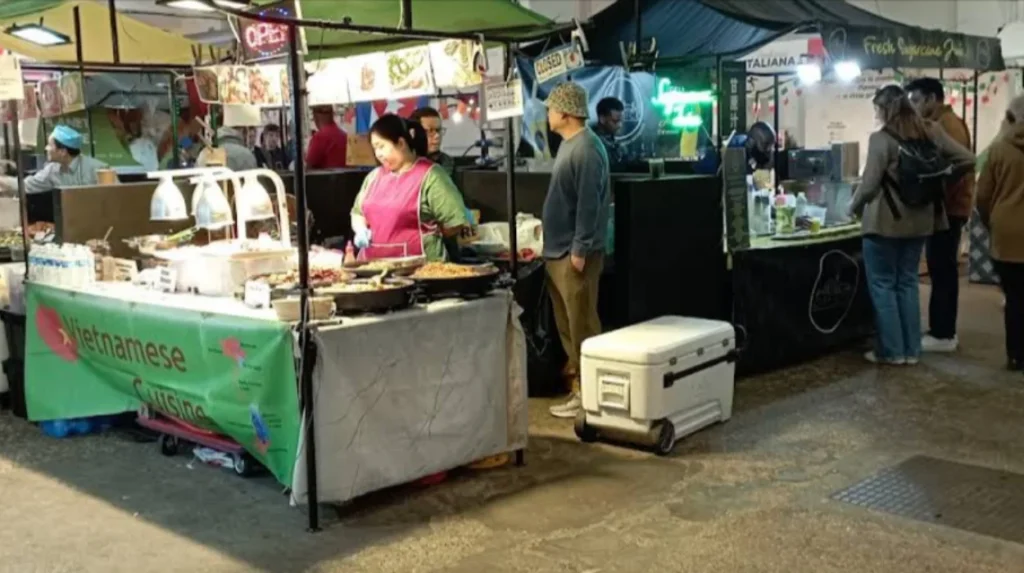
Brick Lane Market buzzes Sundays with halal vendors hawking everything from Afghan mantu dumplings to Turkish lahmacun. Roman Road Market in Tower Hamlets offers fresh halal butchers and spice stalls daily. Walthamstow’s market rivals for variety, with Middle Eastern sweets and ready rotis.
Ramadan transforms streets: iftar tents at East London Mosque serve communal feasts. Eid al-Fitr brings pop-ups with sheer khurma (vermicelli pudding). Year-round, Green Street’s food festival previews fusion trends. These events keep halal evergreen, blending tradition with innovation.
Evolution and Future of East London Halal
From 1930s dockside shacks to Michelin-nominated spots like Tayyabs (opened 1972), halal has mainstreamed. Chains born here, like those on Green Street, now span the nation, proving East London’s influence. Future trends lean vegan halal—think plant-based shawarma—and tech like delivery apps boosting accessibility.
Borough investments in food hubs ensure resilience, with Newham’s heritage month celebrating stories like early butchers. For East Londoners, halal isn’t just food; it’s community pride amid gentrification