Key Points
- The East London Waste Authority (ELWA) is commissioning an eye-catching public art installation to tour boroughs of Barking and Dagenham, Havering, Newham, and Redbridge in 2026, encouraging residents to recycle small electricals and batteries at dedicated points rather than household bins.
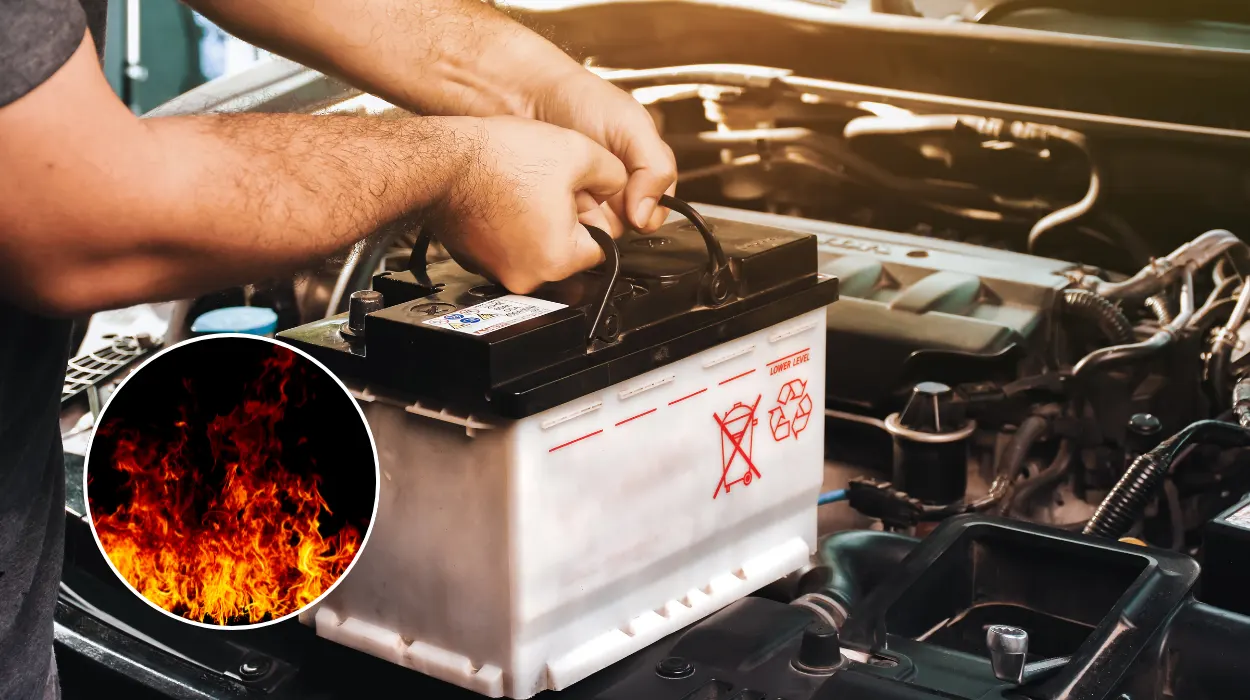
- Lithium-ion batteries in devices like vapes, wireless earphones, e-scooters, and children’s toys ignite when crushed in waste collection vehicles and facilities.
- London Fire Brigade (LFB) suspects lithium-ion batteries cause a growing number of fires in bin lorries and waste disposal sites.
- ELWA recorded 229 fires in its waste facilities last year (2025), a 57% increase from the previous year.
- Miraj Patel, chair of ELWA, stated: “Battery fires in bin lorries and waste sites remain a challenge across all local authorities. There were 229 fires in ELWA’s waste facilities last year, a 57% increase over the previous year. These fires cost the waste industry millions of pounds each year, but also pose a significant risk to frontline staff collecting and treating waste.”
- Artists must submit proposals online by 09:00 GMT on February 9, 2026.
- Nationally, over 1,200 battery fires occurred in bin lorries and waste sites in 2023, a 71% increase from the prior year, per National Fire Chiefs Council (NFCC).
- London waste authorities, including ELWA, urged government action in November 2025 on battery fires costing over £1 billion annually.
The East London Waste Authority (ELWA) has launched a call for artists to create a touring public installation targeting the surge in battery fires plaguing waste management in east London. As reported by BBC News, the project aims to raise awareness and drive recycling of hazardous lithium-ion batteries found in everyday devices. This initiative comes amid alarming statistics: ELWA facilities saw 229 fires last year, up 57% from 2024, underscoring risks to staff and costs running into millions.
- Key Points
- What is the East London Waste Authority doing to combat battery fires?
- Why do lithium-ion batteries cause fires in waste vehicles?
- How severe is the battery fire problem in London?
- What incidents highlight the risks?
- What have authorities said about battery fires?
- Which boroughs will the art installation tour?
- How can artists apply for the commission?
- What national context surrounds this initiative?
Lithium-ion batteries, powering vapes, wireless earphones, e-scooters, and toys, pose severe dangers when crushed in bin lorries or at waste sites, igniting spontaneously. The London Fire Brigade (LFB) believes these batteries fuel a growing number of such incidents across the capital. Miraj Patel, chair of ELWA, highlighted the crisis:
“Battery fires in bin lorries and waste sites remain a challenge across all local authorities.”
What is the East London Waste Authority doing to combat battery fires?
The ELWA is commissioning a designer for a striking, mobile installation that will visit Barking and Dagenham, Havering, Newham, and Redbridge throughout 2026. As detailed in BBC coverage, the artwork must motivate Londoners to use dedicated recycling points for small electricals, bypassing household bins where batteries risk ignition. Proposals are due online by 09:00 GMT on 9 February 2026, inviting creative solutions to this pressing environmental and safety issue.
This public art approach blends creativity with public education, aiming to make recycling habitual in high-risk boroughs. ELWA’s strategy addresses frontline vulnerabilities, as Patel noted:
“These fires… pose a significant risk to frontline staff collecting and treating waste.”
The touring format ensures broad reach, potentially reducing incidents through heightened awareness.
Why do lithium-ion batteries cause fires in waste vehicles?
Lithium-ion batteries ignite when damaged or crushed, as in waste collection vehicles, due to chemical reactions producing heat, flames, and even explosions. Devices like vapes and e-scooters, ubiquitous in east London, exacerbate this when discarded improperly. The LFB suspects these batteries behind rising fires in bin lorries and sites, with Deputy Assistant Commissioner Richard Field stating in a related North London Waste Authority (NLWA) campaign:
“Lithium-ion battery fires are a major risk and we are attending fires regularly involving waste in bin lorries.”
NFCC’s Phil Clark warned:
“Fires involving the incorrect disposal of lithium-ion batteries are a disaster waiting to happen… When crushed or damaged lithium-ion batteries can be dangerous to the public, waste operators and firefighters as they cause fires that are especially challenging to tackle. They can lead to explosions and chemical exposure, but they create their own oxygen, which means they can keep reigniting.”
Mark Andrews, NFCC Waste and Recycling Fires Lead, added:
“Fires involving waste have always been challenging but lithium-ion batteries add significantly to this by creating unknown and unpredictable risks. These fires can be explosive and spread rapidly with the risk of reignition and toxic gasses a risk to firefighters.”
How severe is the battery fire problem in London?
ELWA’s 229 fires in 2025 marked a 57% rise from 2024, mirroring trends elsewhere. As reported by Resource magazine, ELWA joined NLWA, West London Waste Authority (WLWA), Western Riverside Waste Authority (WRWA), and others in a November 2025 letter citing a 71% national increase to 1,200 fires in 2023 per NFCC and Recycle Your Electricals. NLWA saw a 53% rise in 2023-2024; WRWA reported eight fires in 2024/25, already 10 in 2025/26.
London Fire Brigade data shows vape-related fires surging: two in 2018-2019, 14 in 2024, and 10 in early 2025, per South West Londoner. Costs exceed £1 billion yearly, per Eunomia and Environmental Services Association (ESA), prompting calls for producer responsibility. In October 2025, NLWA and LFB launched a campaign targeting fire-risk items like e-scooters and vapes.
What incidents highlight the risks?
A Herne Hill waste fire took five hours to control, burning four days, requiring 15 engines and 100 firefighters from LFB. Hertfordshire Fire Service tackled a suspected battery-involved blaze needing over 24 hours of resources. Locally, 25 firefighters responded to a Newark bin lorry fire from a crushed lithium-ion battery.
What have authorities said about battery fires?
Miraj Patel of ELWA emphasised:
“There were 229 fires in ELWA’s waste facilities last year, a 57% increase over the previous year. These fires cost the waste industry millions of pounds each year.”
LFB’s Field noted:
“We’ve also attended significant fires at waste disposal sites across the capital, which we suspect are caused by lithium-ion batteries.”
In the joint letter, authorities urged Minister Mary Creagh:
“We are writing to push this issue up the agenda and request urgent action to address the real and significant risk it poses.”
ACR+ reported the coalition warning of regulations failing against surging battery devices. ESA deemed fires “epidemic levels.”
Which boroughs will the art installation tour?
The installation targets ELWA boroughs: Barking and Dagenham, Havering, Newham, and Redbridge, areas with high waste volumes and fire risks. These east London locales face direct impacts from improper disposal, making the 2026 tour strategically vital.
How can artists apply for the commission?
Artists submit concepts online by the 9 February 2026 deadline at 09:00 GMT, focusing on eye-catching designs promoting recycling. ELWA seeks innovative pitches addressing the fire crisis creatively, with the selected work touring to engage communities effectively.
What national context surrounds this initiative?
Nationally, 1,200 fires in 2023 signal an epidemic, with London authorities pushing for government intervention on producer standards and recycling funding. Lets Recycle noted WRWA’s escalation, while NLWA’s campaign highlights shared LFB concerns. ELWA’s art project innovates locally amid this broader crisis.