Key Points
- House Mill, built in 1776 in Bromley-by-Bow, is the world’s largest surviving tidal mill and a Grade I-listed nationally significant industrial heritage site.
- The site, including the adjoining Miller’s House, features vast industrial interiors, riverside spaces, and historic buildings suitable for performances, exhibitions, festivals, workshops, hospitality, and immersive cultural experiences.
- Despite its historic importance and potential as a cultural and community venue, the House Mill remains largely closed and underused, disconnected from the communities it serves.
- Andrew Cregan, a former trustee who served on the House Mill Trust for 13 years, is leading the Reclaim Your House Mill campaign.
- The campaign calls for regular public opening, improved public access, better governance, an independent chair for the House Mill Trust, open skills-based recruitment for new trustees under Charity Commission oversight, and professional management for year-round access and a sustainable cultural programme.
- Mr Cregan stated: “The House Mill should be entering its 250th year open and active. Instead, it remains largely closed, underused and disconnected from the communities it exists to serve. That represents a failure of its board to realise the public potential of assets held in trust. Reclaim Your House Mill is about heritage assets, public benefit, and whether those entrusted with ensuring the Mill’s future are prepared to meet their obligations. The Mill’s 250th anniversary is a once-in-a-generation opportunity to get this right.”
- Supporters envision the site as a “year-round destination” blending heritage with public life for all Londoners.
- An open petition has been launched, addressed to the Charity Commission for England and Wales, Historic England, the Mayor of London, and relevant local authorities, urging action to ensure the mill fulfils its charitable purpose.
What is the House Mill and Why is it Significant?
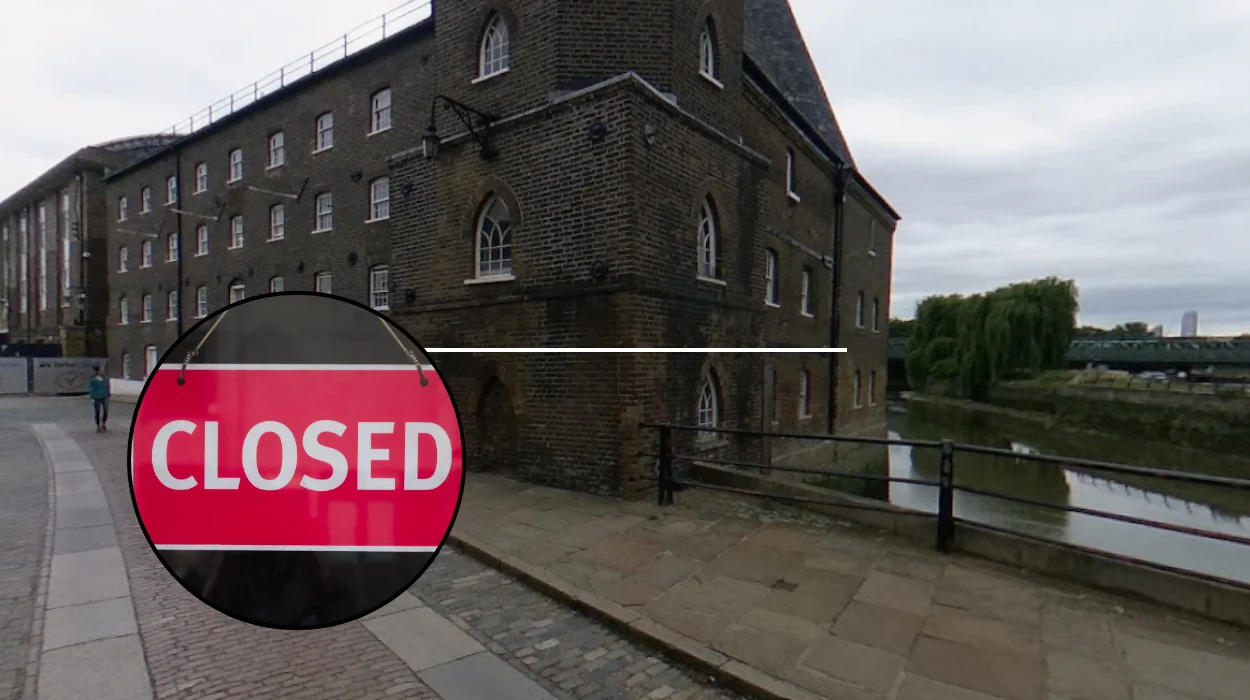
Nestled along the River Lea in Bromley-by-Bow, East London, the House Mill stands as a testament to industrial ingenuity. Constructed in 1776, it operates as the world’s largest surviving tidal mill, harnessing the power of the tide to grind grain—a feat of 18th-century engineering that powered local industry for generations.
- Key Points
- What is the House Mill and Why is it Significant?
- Why is the House Mill Largely Closed to the Public?
- Who is Leading the Reclaim Your House Mill Campaign?
- What Specific Changes Does the Campaign Demand?
- How Could the House Mill Become a Year-Round Destination?
- What is the Petition and Who Does it Target?
- What is the House Mill Trust’s Role and Current Challenges?
- Why Does the 250th Anniversary Matter for the Campaign?
- How Have Local Communities Reacted?
- What Broader Implications Does This Have for UK Heritage Sites?
This Grade I-listed structure holds national significance as an industrial heritage site, preserving vast machinery and mechanisms that remain largely intact. Adjoining it is the Miller’s House, complete with riverside spaces and ancillary buildings that offer untapped potential for modern use.
As the mill approaches its 250th anniversary in 2026, its plight underscores broader challenges facing historic sites in urban Britain: how to balance preservation with public engagement.
Why is the House Mill Largely Closed to the Public?
Despite its stature, the House Mill remains largely closed, with rare openings that fail to showcase its full potential. Campaigners argue this underuse disconnects it from the Bromley-by-Bow community it was meant to serve.
The site’s industrial interiors and outdoor spaces could host performances, exhibitions, festivals, workshops, hospitality events, and immersive cultural experiences, yet they sit idle. This closure represents not just a missed opportunity for tourism but a failure to deliver public benefit from a charitable trust asset.
Local residents and heritage enthusiasts express frustration over limited access, especially as East London’s creative scene thrives nearby in areas like Hackney Wick and Stratford.
Who is Leading the Reclaim Your House Mill Campaign?
Andrew Cregan, a former trustee of the House Mill Trust with 13 years of service, spearheads the Reclaim Your House Mill initiative. His deep involvement gives weight to his criticisms of current governance.
As reported by various sources covering the campaign launch, Mr Cregan said:
“The House Mill should be entering its 250th year open and active. Instead, it remains largely closed, underused and disconnected from the communities it exists to serve.”
He further emphasised:
“That represents a failure of its board to realise the public potential of assets held in trust. Reclaim Your House Mill is about heritage assets, public benefit, and whether those entrusted with ensuring the Mill’s future are prepared to meet their obligations.”
Mr Cregan views the 250th anniversary as a “once-in-a-generation opportunity” to rectify these issues, positioning the campaign as a call for accountability.
What Specific Changes Does the Campaign Demand?
The Reclaim Your House Mill campaign outlines clear reforms to revive the site. It demands the appointment of an independent chair for the House Mill Trust to ensure impartial leadership.
Additionally, it calls for an open, skills-based recruitment process for new trustees, conducted under the oversight of the Charity Commission for England and Wales. This aims to inject fresh expertise into the board.
Professional management is another key ask, enabling year-round public access and a sustainable cultural programme. Campaigners believe these steps would unlock the site’s riverside spaces for community events, transforming it into a vibrant hub.
Supporters highlight how the mill’s features—vast interiors for exhibitions, outdoor areas for festivals—could blend heritage with contemporary public life.
How Could the House Mill Become a Year-Round Destination?
Imagine the House Mill pulsating with activity: workshops in its cavernous engine rooms, riverside festivals drawing families from Tower Hamlets and Newham, immersive exhibits recreating tidal milling for school groups. Campaigners see it as a “year-round destination” for all Londoners.
Its location near the Queen Elizabeth Olympic Park positions it perfectly for synergy with Stratford’s cultural offerings. Professional oversight could sustain hospitality pop-ups, performances, and heritage tours, generating revenue while fulfilling charitable aims.
This vision aligns with East London’s regeneration story, where disused industrial spaces like those in nearby Bow have become creative anchors.
What is the Petition and Who Does it Target?
The campaign has launched an open petition to galvanise support. Addressed directly to the Charity Commission for England and Wales, Historic England, the Mayor of London, and relevant local authorities—including Tower Hamlets Council—it urges immediate action.
The petition emphasises ensuring the mill fulfils its charitable purpose of public benefit. By invoking regulatory bodies, it pressures the House Mill Trust to address governance lapses.
As covered in initial reports on the campaign, supporters frame this as a pivotal moment, leveraging the 250th anniversary to demand transparency and reform. Signatories from across London are rallying, underscoring widespread interest in reclaiming this hidden gem.
What is the House Mill Trust’s Role and Current Challenges?
The House Mill Trust holds the site in charitable trust, tasked with preservation and public access. Yet, critics like Mr Cregan point to board failures in realising its potential.
Limited openings stem from management constraints, but campaigners argue professional leadership could change this. The Trust has not yet publicly responded to the campaign, leaving questions about its next steps.
This standoff highlights tensions in UK charity governance, where heritage assets risk stagnation without robust oversight.
Why Does the 250th Anniversary Matter for the Campaign?
Marking 250 years since its 1776 construction, the anniversary amplifies calls for action. Mr Cregan stresses it as a rare chance to “get this right,” aligning heritage celebration with practical reform.
Events could spotlight the mill’s tidal mechanics—powered by the Lea’s ebb and flow—drawing crowds and funding. Without change, campaigners warn, the milestone will pass in obscurity, squandering a landmark moment for Bromley-by-Bow.
How Have Local Communities Reacted?
Residents in Bromley-by-Bow and surrounding East London boroughs view the mill as a dormant asset amid urban growth. Social media buzz and petition shares reflect enthusiasm for a space blending history with community life.
Marathon enthusiasts, noting the area’s proximity to Olympic legacy paths, see potential for fitness events. Broader support from heritage groups underscores the mill’s role in preserving London’s industrial narrative.
What Broader Implications Does This Have for UK Heritage Sites?
The House Mill saga mirrors challenges at other underused sites, from mills in Yorkshire to warehouses in Manchester. It spotlights Charity Commission roles in enforcing public benefit.
Success here could model reforms nationwide, proving tidal mills and similar relics can thrive as cultural engines. For East London, it ties into housing and development debates, where green riverside spaces combat urban density.
As reports from campaign launches proliferate—attributed to journalists tracking the story—the pressure mounts for resolution.