Key Points
- Proposals first emerged on October 8, 2024, via a letter from H4Life Ltd director Marc Pennick to residents near Crowlands Heath Golf Course, announcing the company’s agreement to purchase the site.
- The golf course, located in Wood Lane, is a nine-hole semi-private course with a driving range, averaging 16 rounds per day on weekdays and 23 on weekends, deemed “not sustainable” by Mr Pennick.
- Around three-quarters of the land lies in Havering but was fully owned by Barking and Dagenham Council and leased to Crowlands Heath Golf Club, which has faced financial struggles.
- On October 14, 2024, Barking and Dagenham Council confirmed the sale agreement, with leader Dominic Twomey stating it could “benefit thousands of people” through affordable housing, while noting objections from a few local resident users.
- In November 2024, H4Life Ltd submitted a 152-page environmental impact assessment (EIA) scoping opinion request to Barking and Dagenham Council, confirming plans for a detailed planning application to both Havering and Barking and Dagenham Councils.
- If approved, construction could begin late 2026 and complete by 2032.
- Current employment stands at 10 people; redevelopment promises around 25 new jobs via a retail unit, community centre, and café.
- Proposed development includes two, three, and four-bedroom homes (60% social housing, 40% key worker housing), play areas, football pitches, indoor sports facility, café/bar community centre, retail convenience store, and new bus routes.
- Potential impacts noted on four nearby schools and West Ham United training ground.
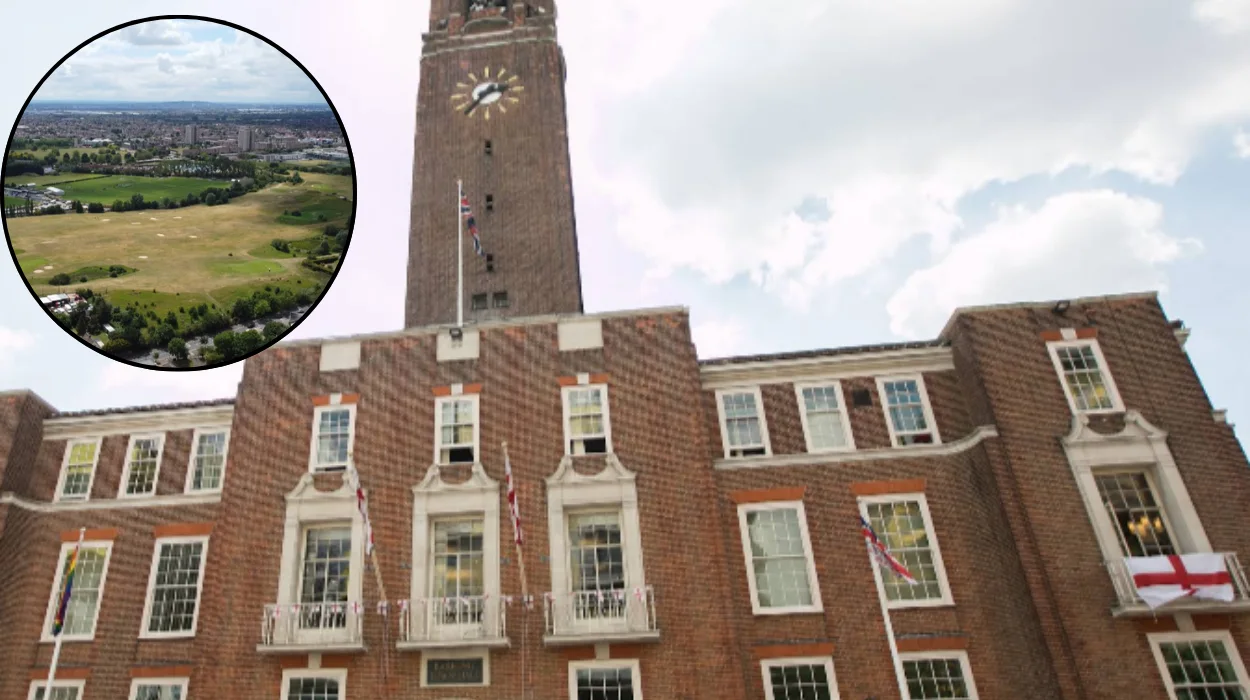
The future of Crowlands Heath Golf Course in Wood Lane hangs in balance as H4Life Ltd advances plans to transform the financially strained nine-hole venue into a major residential and community hub, potentially delivering hundreds of homes and sports facilities by 2032. Barking and Dagenham Council confirmed the land sale in October 2024, sparking both support for affordable housing and concerns from local golf users. As reported in the Romford Recorder, the initial proposal surfaced on October 8, 2024, through a letter to nearby residents signed by H4Life Ltd director Marc Pennick, outlining the purchase agreement amid the club’s long-term financial difficulties.
- Key Points
- What Triggered the Redevelopment Proposals?
- When Did the Council Approve the Sale?
- What Does the Environmental Impact Assessment Reveal?
- How Many Jobs Will the Redevelopment Create?
- What Types of Housing Are Proposed?
- What Community and Sports Facilities Are Planned?
- Which Local Sites Could Face Impacts?
- What Is the Timeline for Construction and Completion?
- Who Owns the Land and What Is Its Current Status?
- Why Is the Golf Course Closing?
- What Objections Have Been Raised?
What Triggered the Redevelopment Proposals?
The redevelopment proposals first came to light on October 8, 2024, when this paper saw a letter addressed to “residents local to Crowlands Heath Golf Course” detailing that H4Life Ltd had agreed to purchase the golf course. As detailed in the Romford Recorder coverage, the letter, signed by H4Life Ltd director Marc Pennick, claimed the club had “struggled financially” over the years and that the development company had plans to bring “much needed” homes, infrastructure and sports facilities to the land. Mr Pennick highlighted the course’s low usage, noting it as a nine-hole, semi-private course with a driving range but averaging only 16 rounds per day in the week and 23 rounds per day on the weekend, figures he described as “not sustainable.”
Crowlands Heath Golf Course spans land where around three quarters is in Havering, yet it was entirely owned by Barking and Dagenham Council, with the land leased to Crowlands Heath Golf Club. This ownership structure positioned the council as the key decision-maker in the sale process.
When Did the Council Approve the Sale?
On October 14, 2024, it was confirmed that Barking and Dagenham Council agreed to sell the land. Leader of the council Dominic Twomey said the sale could “benefit thousands of people” with new affordable housing. However, as reported by the Romford Recorder, he added that he knew “a few residents” who use the golf course and had objected to the sale. Mr Twomey’s comments underscored the council’s view of the transaction as a pathway to broader community gains, balanced against local recreational losses.
What Does the Environmental Impact Assessment Reveal?
In November 2024, a 152-page environmental impact assessment (EIA) scoping opinion request was submitted to Barking and Dagenham Council on behalf of H4Life Ltd. This document, as covered by the Romford Recorder (https://www.romfordrecorder.co.uk/news/25630728.crowlands-heath-golf-course-dagenham-homes-plan-update/?ref=ed_direct), confirmed that the company is intending to submit a “detailed planning application” to both Havering Council and Barking and Dagenham Council for the proposed development. It also revealed that if all plans are approved, construction could start late this year (2026) and the works could be completed by 2032. The EIA scoping represents a critical step, outlining potential environmental effects and mitigation strategies ahead of full planning submission.
How Many Jobs Will the Redevelopment Create?
A spokesperson on behalf of H4Life revealed to this paper there are 10 people employed at the golf course currently and the plans for the redevelopment would generate around 25 new opportunities (https://www.romfordrecorder.co.uk/news/25566116.crowlands-heath-golf-course-redevelopment-create-jobs/?ref=ed_direct). They said: “The new development will provide new jobs through the proposed retail unit and across the community centre and cafe. The number of jobs will outstrip the current number of jobs on site.” This projection positions the project as a net positive for local employment, transitioning from golf operations to diverse community and commercial roles.
What Types of Housing Are Proposed?
The proposed homes will be a range of two, three and four bedrooms and include 60 per cent social housing and 40pc key worker housing. This mix aims to address pressing needs for affordable and specialist accommodation in the area, aligning with council priorities for inclusive development. Details emerged from the EIA scoping and H4Life communications, emphasising family-sized units to support long-term residency.
What Community and Sports Facilities Are Planned?
Multiple play areas, football pitches, an indoor sports facility, a café/bar community centre, retail convenience store, and new bus routes and services have also been proposed. These elements seek to replace and enhance the site’s recreational value, fostering community engagement beyond housing. The indoor sports facility and pitches, in particular, promise alternatives to the lost golf course for active residents.
Which Local Sites Could Face Impacts?
Four nearby schools and the West Ham United training ground are listed as places that could be impacted by the development. The EIA scoping identifies these as key receptors for potential effects like noise, traffic, or visual changes during construction and operation. H4Life Ltd must demonstrate mitigation measures to safeguard educational and sporting activities in proximity.
What Is the Timeline for Construction and Completion?
If all plans are approved, construction could start late this year (2026) and the works could be completed by 2032. This multi-year horizon reflects the scale of the project, from site preparation through to infrastructure integration. As per the November 2024 EIA submission, timelines hinge on dual-council approvals, with H4Life advancing preparatory assessments.
Who Owns the Land and What Is Its Current Status?
Around three quarters of the course is in Havering but it was entirely owned by Barking and Dagenham Council and the land leased to Crowlands Heath Golf Club. The council’s sale to H4Life Ltd, confirmed October 14, 2024, shifts ownership to enable redevelopment. Financial struggles at the club, as noted by Marc Pennick, precipitated this transition.
Why Is the Golf Course Closing?
Mr Pennick claimed that these numbers were “not sustainable,” referring to the low round averages of 16 daily on weekdays and 23 on weekends. The letter from H4Life Ltd director Marc Pennick positioned the closure as a response to chronic underutilisation and financial shortfalls. Leader Dominic Twomey acknowledged user objections but prioritised housing benefits.
What Objections Have Been Raised?
He added he knew “a few residents” who use the golf course and had objected to the sale, as stated by council leader Dominic Twomey. These concerns centre on loss of green space and recreational access, though the scale remains limited per council reports. Broader community input awaits full planning stages.