East London has experienced profound urban transformation, particularly through flagship projects like the Queen Elizabeth Olympic Park and Stratford City regeneration. These initiatives promise economic revitalization and improved infrastructure but prompt ongoing examination of their inclusivity for long-term residents.
Historical Foundations of Regeneration
Rejuvenescence in East London traces back to post-industrial decline in areas like the Lower Lea Valley, encompassing megalopolises similar as Newham, Tower townlets, and Hackney. These regions featured abandoned manufactories, high severance, and poor environmental quality, with Newham ranking among the most deprived in the UK by indicators of multiple privation. The 2005 advertisement of the 2012 Olympics catalyzed large- scale intervention, named incompletely for the point’s brownfield nature and transport links via Stratford station.
Development commenced in 2007 on 560 acres, clearing weeds and derelict spots while shifting wildlife including 4,000 smooth newts and 300 lizards. The Olympic Delivery Authority oversaw construction of venues like the London Stadium, Aquatics Centre, and Velopark, now repurposed for public use. Post-Games, the London Legacy Development Corporation( LLDC) formed to insure lasting benefits, rebranding the Athletes’ vill as East Village with 2,818 homes, 40 affordable.
This period aligned with broader London strategies addressing child poverty and low GCSE attainment, where Tower townlets showed ménage inflows below the megacity normal. Stratford’s selection abused proximity to central London and transnational rail via Stratford International, opened in 2009, linking to St Pancras in seven minutes. Similar connectivity aimed to draw investment while dividing original challenges like artificial wastelands.
Major Projects and Infrastructure Growth
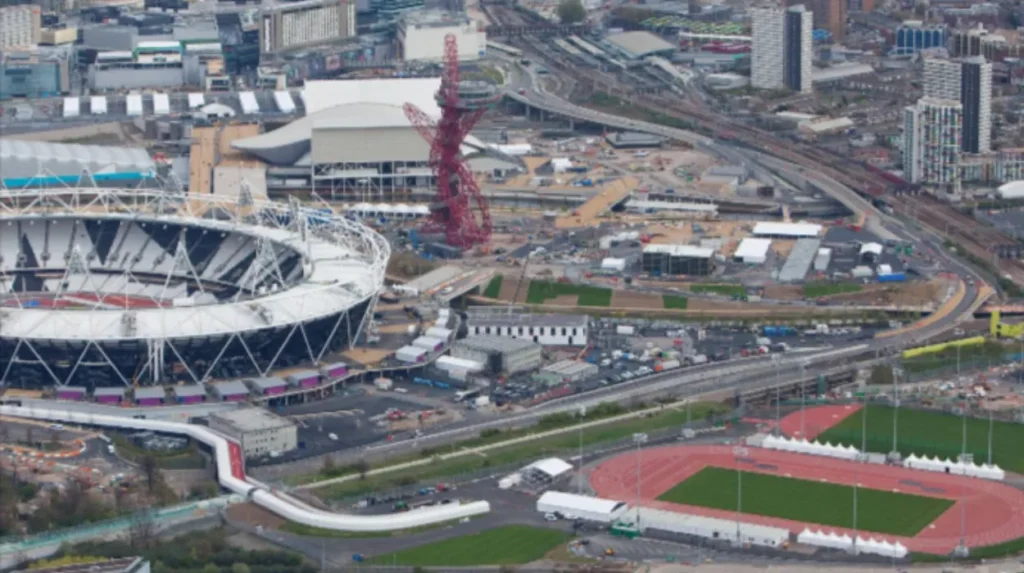
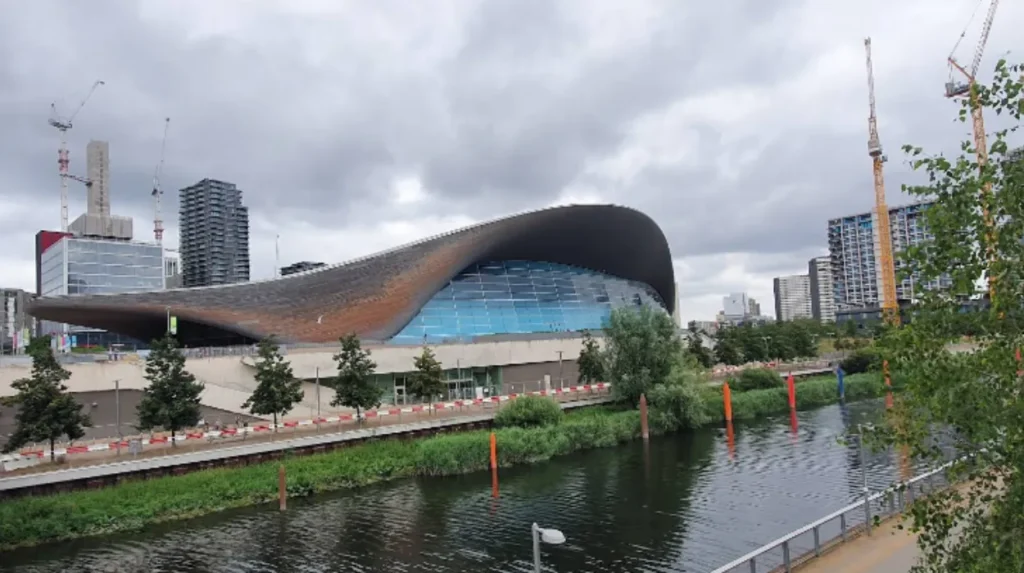
Queen Elizabeth Olympic Park stands as the cornerstone, evolving into five new neighborhoods by 2036 with over 33,000 homes planned, including green spaces. Sports facilities transitioned to community assets: the Aquatics Centre serves schools and elite athletes with 50m pools, while the Velopark hosts public cycling. A new academy educates ages 3-18, addressing prior school space shortages.
Stratford City integrates domestic halls, Westfield shopping centre, and transport capitals, boosting availability. The Elizabeth Line enhances links, rounded by a new machine station and bike hire points. marketable spaces like the transnational Quarter, developed by enterprises including Lendlease, support tech capitals, with 40,000 jobs projected by 2025 and 125,000 further frugality-wide.
East Village, managed by Get Living and Triathlon Homes, mixes request- rate and affordable units but reveals term isolation patterns. LLDC’s oversight extended to artistic spots like the V&A and Smithsonian galleries, alongside seminaries and premises , fulfilling Olympic heritage pledges for substance in deprived areas.
Housing Dynamics and Affordability Targets
Housing forms the regeneration core, with the London Plan 2021 mandating 50% affordable units in major schemes under “Good Growth” principles. East Village exemplifies this, yet data shows dominance of one- and two-bedroom flats suited to young professionals, sidelining family needs in poverty hotspots. Social rent categories lag, despite Equality Act 2010 requirements for equality across race, disability, and income.
Building regulations enforce M4(2) adaptable and M4(3) wheelchair-accessible standards, but distribution skews toward higher tenures. Newham’s strategy post-Olympics prioritized investment attraction, yet IMD rankings persist high for deprivation. By 2030, developments forecast £5 billion economic input via 20,000 construction and tourism jobs, creating multiplier effects.
Gentrification surrounds the Park, notably Hackney Wick, where wealthier influxes raise values, displacing lower-income groups. Uniform high-rise designs foster turnover, contrasting stable community needs. London-wide, East boroughs top both deprivation and gentrification lists, polarizing rich-poor coexistence.
Social Mixing and Community Cohesion
Social mixing initiatives blend tenures to curb inequality, but studies highlight “mixophobia” aversion rooted in stigma toward affordable housing. East Village residents report territorial divides, with luxury blocks dominating visually and socially. High-qualified populations rose 85% nearby, doubling around Stratford High Street, altering demographics.
Olympic preparations reshaped perceptions, with new landscapes fostering leisure via waterways and wildlife walks. Parkland remains free, featuring award-winning playgrounds and gardens. However, uniform designs prioritize transient markets, hindering bonds in diverse neighborhoods.
Unemployment fell London-wide during Games, with schools benefiting from facilities. Yet, original residents question direct gains amid visibility boosts from Westfield and transport. Community involvement varies, with LLDC’s model limiting local input compared to democratic panels elsewhere.
Environmental Transformations
Sustainability underpinned the Olympic bid, yielding walking, cycling paths, and public transport emphasis reducing car use. Stadiums used 25% recycled materials on brownfield land, with 4,000 trees planted in biodiverse selections. River Lea improved, gaining green banks, ponds, and woodlands for habitats.
Water-efficient homes and protected spaces align with London Plan health integrations. Parkland preserves leisure access, with open waterways for recreation. Drawbacks include 3.3 million tons CO2 from Games and overseas materials, plus wildlife relocations.
Long-term, these changes support healthy life expectancy goals, varying up to 19 years across boroughs. Intensification via taller buildings reduces open space, balancing growth against ecology.
Economic Impacts and Job Creation
Economic uplift centers on connectivity and commerce. Stratford’s hub status eases commutes, spawning over 100,000 jobs by 2030 in construction, tourism, and tech. Queen Elizabeth Olympic Park hosts innovation clusters, leveraging post-Games momentum.
Multiplier effects amplify £5 billion local injection, though benefits’ trickle-down to originals remains mixed. Property markets surged, but studies note similar outcomes possible sans Olympics. Transnational firms like Lendlease drive quarters, sustaining prosperity pledges.
Deprived baselines, high poverty, low incomes frame gains, with LLDC targeting 20-year gap closures. Tech hubs signal a shift from the industrial past.
Policy Frameworks and Accessibility
London Plan 2021, as Spatial Development Strategy, binds councils to economic, social, environmental promotion with equality duties. It rebalances from growth-at-any-cost, integrating health and transport.
Accessibility pushes include Inclusion London’s advocacy for panels like Hammersmith’s, involving disabled users. Calls target M4 homes in social rent, training planners on social disability models. LLDC planning faced critiques for private reliance, weakening oversight.
Public Sector Equality Duty mandates diverse outcomes, with housing needs methodologies ensuring soundness. GLA could enforce proportions for equity.