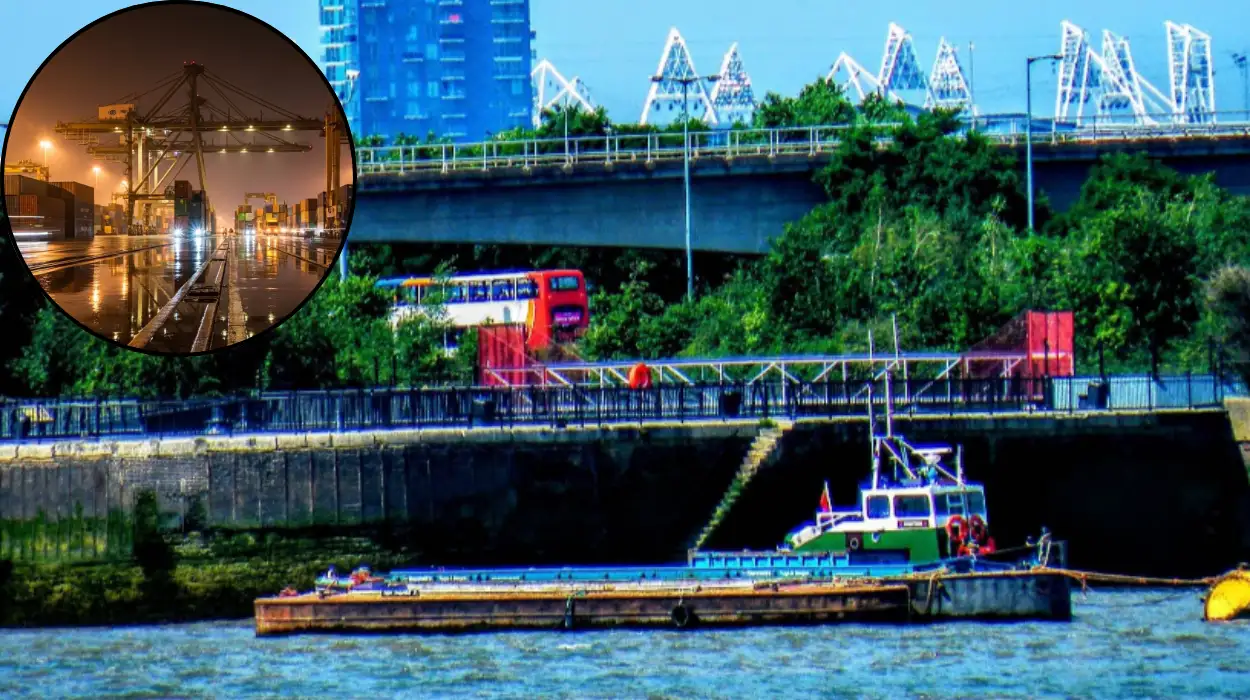
East London regeneration represents a comprehensive urban renewal effort spanning decades, transforming post-industrial landscapes into vibrant, sustainable communities. Major initiatives, particularly around the 2012 Olympic legacy in Stratford and Newham, have delivered infrastructure, housing, and economic growth.
Historical Foundations
Regeneration in East London traces back to the late 1990s with the Thames Gateway initiative, a government-led plan to revitalize 40 square miles of underused land along the Thames. This set the stage for the London 2012 Olympics, awarded in 2005, which focused on Stratford, Lower Lea Valley, and surrounding deprived areas in Newham, Tower Hamlets, and Hackney. Public investment totaled over £9 billion, complemented by private funds, converting 560 acres of contaminated brownfield sites into Queen Elizabeth Olympic Park.
Pre-regeneration, these boroughs grappled with profound challenges. Newham ranked as the most deprived in England by the 2007 Index of Multiple Deprivation, with unemployment exceeding 10%, child poverty at 55%, and life expectancy 5-7 years below the London average. Poor transport isolated communities, while derelict factories and landfills dominated the skyline. The Olympic bid promised “legacy first,” prioritizing long-term community uplift over event spectacle, a model influencing global urban projects.
By 2025, the London Legacy Development Corporation (LLDC) had overseen completion of core phases, with ongoing strategies extending to 2050. These efforts align with the Greater London Authority’s Good Growth by Stewardship principles, emphasizing equitable, resilient development amid London’s population growth toward 10.8 million by 2041.
Infrastructure Transformations
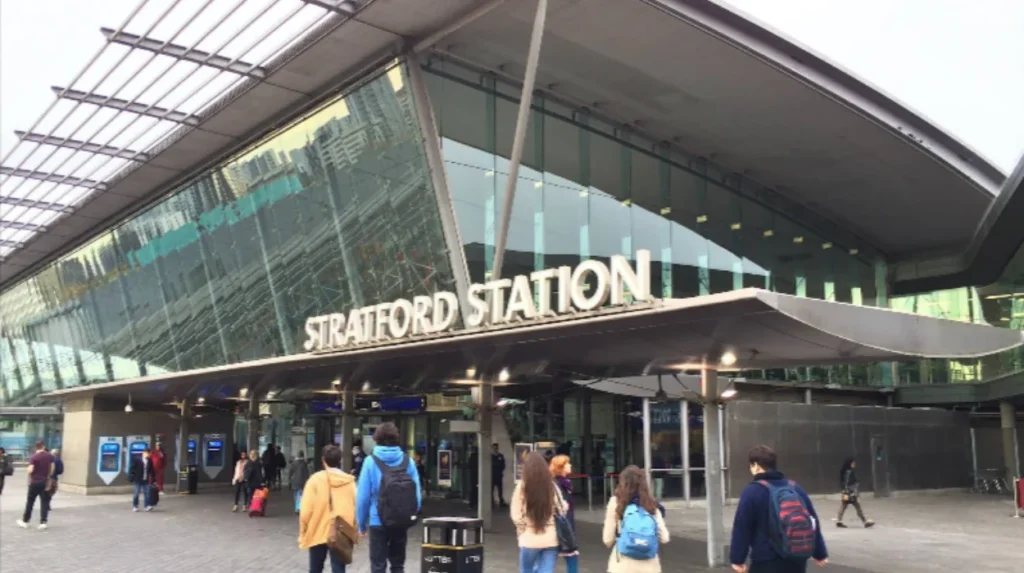
Enhanced transport forms the regeneration’s cornerstone, dramatically improving connectivity. Stratford International station now accommodates over 118,000 daily passengers through Crossrail’s Elizabeth Line, Jubilee Line upgrades, and Docklands Light Railway (DLR) extensions. Travel time to central London dropped from 45 minutes to 22 minutes, boosting accessibility for 1.2 million east London residents.
Queen Elizabeth Olympic Park integrates 35 kilometers of cycle superhighways, pedestrian paths, and 6.5 kilometers of restored waterways, promoting active travel. The £17 billion Thames Gateway transport program included road widenings, bus rapid transit, and Embankment upgrades, reducing congestion by 15-20% in peak hours. Digital infrastructure, with full-fiber broadband rollout, supports smart city applications like real-time traffic management and energy monitoring.
Utilities modernized alongside, with district heating networks serving 10,000 homes and cutting energy costs by 25%. Flood defenses, bolstered post-2012, protect against rising sea levels, incorporating permeable pavements and SuDS (Sustainable Drainage Systems) across 45 hectares. These upgrades not only facilitate daily commutes but also position East London as a logistics hub, drawing firms like Amazon and DHL to park-adjacent warehouses.
Economic Advancements
Economic regeneration has created sustained prosperity. Here East, a repurposed media center, hosts 1,500 firms employing 11,000 in tech and creative industries, including Google’s European HQ and BT Sport. Overall, Olympic Park developments generated 12,000 permanent jobs by 2025, with projections for 40,000 by 2030, reducing Newham’s unemployment from 10.5% in 2007 to 6.2%.
Retail thrives at Westfield Stratford City, Europe’s largest urban shopping mall at 1.9 million square feet, employing 14,000 and attracting 50 million annual visitors. This injects £1.5 billion yearly into the local economy. Property markets reflect uplift: Stratford values rose 20-30% post-Olympics, with regeneration zones achieving 3.6% annual growth versus 1.4% nearby, per property data analyses. Investors cite rental yields of 5-7%, driven by demand from young professionals.
Business rate retention schemes returned £500 million to boroughs, funding further initiatives. The creative economy cluster contributes £2.5 billion to London’s GVA annually, with startups in fintech and AI proliferating. Be First schemes in Barking and Dagenham alone created 41,000 jobs and £151 million in socio-economic value by 2025. These metrics underscore regeneration’s role in narrowing the £40 billion productivity gap between inner and outer London.
Housing Developments
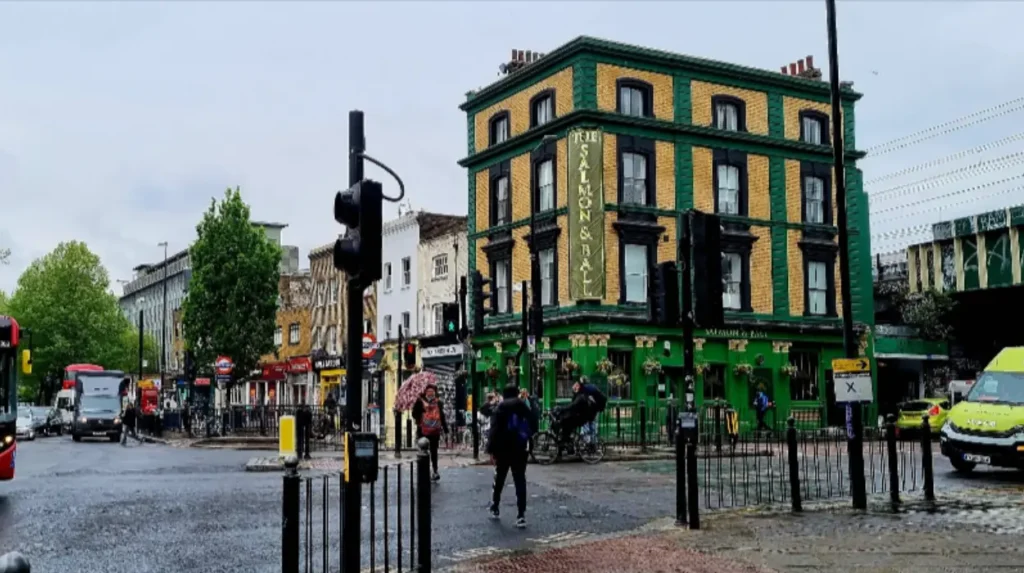
Housing delivery addresses London’s acute shortage. Over 24,000 new units are planned in LLDC areas by 2031, with 10,000 completed by 2025, including East Village’s 2,800 former athlete accommodations now offering market, intermediate, and social rent options. Borough-wide, 40% affordability targets prevail, though family-sized units combat Tower Hamlets’ overcrowding, affecting 25% of households.
Modern standards dominate: Passivhaus certifications in new builds reduce energy use by 70%, with green roofs, solar panels, and triple glazing standard. Teviot Estate in Poplar, approved in 2025, delivers 1,928 homes (35% affordable), plus community centers and play spaces, replacing outdated stock via resident-led consultation. Right-to-return policies ensure no tenant displacement, a model replicated across 50+ estates.
Quality enhancements extend to communal areas: 6,000 square meters of new green space at Teviot improves liveability. Rents average £1,800 monthly in Newham, below London’s £2,200, sustaining mixed communities. These efforts align with the London Plan’s 66,000 annual housing need, fostering social stability.
Social and Community Enhancements
Social infrastructure fosters cohesion. Queen Elizabeth Olympic Park’s sports legacy includes London Stadium (West Ham United’s home, hosting 1 million event visitors yearly), Copper Box Arena, and Lee Valley VeloPark, promoting grassroots participation. Over 4,300 trees, 300 bird species, and playgrounds serve 500,000 annual users, correlating with 20% higher physical activity in local youth.
Education expanded with three primary schools, Harris Academy, and UCL East campus enrolling 3,000 in sustainable engineering by 2025. Apprenticeships trained 50,000 residents, achieving 70% employment placement in construction and digital skills. Cultural venues like V&A East (44,000 sqm) and Sadler’s Wells East draw diverse audiences, boosting arts access from 15% to 35% locally.
Deprivation metrics improved: Newham’s IMD score rose 15% since 2012, with child poverty down 10%. Community programs, funded by £100 million legacy trusts, support 20,000 families via job clubs and health hubs. Prosperity in East London study tracks 4,000 households across 15 sites, revealing equitable gains for established residents.