Key Points
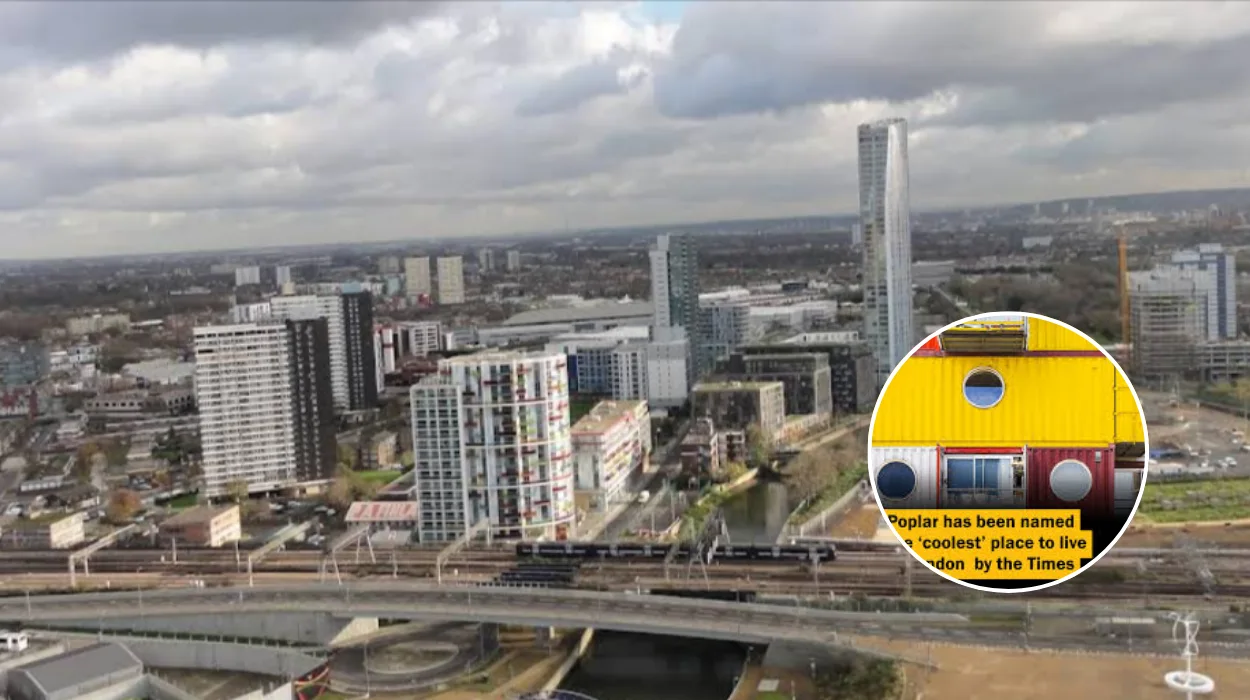
- Poplar, an East London dockland area, has been named the only London postcode among The Times’ 11 coolest places to live in the UK for 2026.
- This recognition surprises many, as expectations often fall on trendier spots like Hackney or buzzing Dalston.
- Poplar’s dockland location near the River Thames contributes to its appeal, blending urban regeneration with historical charm.
- The accolade highlights Poplar’s transformation from industrial past to a vibrant residential hotspot.
- London’s postcodes vary widely in desirability, with Poplar standing out unexpectedly in national rankings.
- The Times’ list positions Poplar alongside other UK destinations, emphasising its unique mix of affordability, community, and modern amenities.
Poplar, East London (East London Times) January 17, 2026 – Poplar, the dockland gem in East London, has emerged as London’s coolest postcode for 2026, clinching the sole capital spot in The Times’ prestigious list of the UK’s 11 coolest places to live. This unassuming neighbourhood near the River Thames has outshone hipster havens like Hackney and lively Dalston, defying expectations in a city where postcode prestige often dictates desirability. The recognition underscores Poplar’s rapid evolution into a sought-after residential enclave.
- Key Points
- Why Has Poplar Been Named London’s Coolest Neighbourhood?
- What Makes Poplar Stand Out from Hackney and Dalston?
- How Did The Times Select the Coolest Places?
- What Regeneration Projects Are Transforming Poplar?
- Who Are the Residents and Businesses Shaping Poplar’s Identity?
- Why Is Poplar’s River Proximity a Game-Changer?
- What Challenges Does Poplar Face Despite the Acclaim?
- How Does Poplar Compare to Other UK Cool Spots?
- What Do Locals and Experts Say About Poplar’s Future?
- Why Should Buyers Consider Poplar in 2026?
- What Is the Broader Impact on East London?
- How Can You Explore Poplar Today?
Why Has Poplar Been Named London’s Coolest Neighbourhood?
Poplar’s ascent to the top spot stems from its compelling blend of regeneration, cultural vibrancy, and value for money amid London’s soaring property prices. As detailed in The Times’ feature on the coolest UK postcodes, Poplar secured its position through a judges’ assessment of factors like community spirit, green spaces, independent businesses, and architectural innovation. The docklands’ historical ties to maritime trade now fuel a modern renaissance, with waterside apartments and creative hubs drawing young professionals and families alike. This accolade arrives at a time when East London’s transformation continues to reshape the capital’s housing landscape.
What Makes Poplar Stand Out from Hackney and Dalston?
Unlike the established cool of Hackney, known for its street art and artisanal cafes, or Dalston’s nightlife pulse, Poplar offers a quieter, more authentic edge. Proximity to the River Thames provides scenic walks along the Lea River and access to Canary Wharf’s employment hubs without the premium price tag. Regeneration projects, including the Aberdeen Tower and Samuda Estate revitalisation, have introduced high-quality housing alongside preserved warehouses turned galleries. Local voices praise the area’s diversity, with a rich Bengali heritage enriching markets like Chrisp Street, where fresh produce and street food thrive daily.
How Did The Times Select the Coolest Places?
The Times’ rigorous process involved a panel of experts evaluating postcodes nationwide on criteria such as sustainability, cultural offerings, transport links, and value relative to appeal. Poplar emerged as London’s representative, the only postcode from the capital to make the cut among 11 UK winners. As reported by the MyLondon news team in their coverage of the list, judges highlighted Poplar’s “unexpected cool” factor, noting its shift from post-industrial neglect to a beacon of urban renewal. No other London area matched this balance, sidelining favourites like Shoreditch or Peckham.
What Regeneration Projects Are Transforming Poplar?
Major developments underpin Poplar’s rise. The £1 billion Poplar Harbour scheme delivers 1,100 homes with communal gardens and bike storage, prioritising affordability amid Tower Hamlets’ housing crisis. Historic sites like the former East India Dock basin now host pop-up events and artisan studios, fostering a creative economy. Transport upgrades, including the Elizabeth Line’s proximity via Canary Wharf and DLR extensions, slash commute times to central London. As noted in local planning documents covered by East London Lines, these initiatives have spurred a 15% rise in property values over the past year, yet Poplar remains more accessible than its pricier neighbours.
Who Are the Residents and Businesses Shaping Poplar’s Identity?
Poplar’s community reflects London’s multicultural tapestry, with over 40% South Asian heritage alongside growing numbers of artists and tech workers. Independent spots like the Poplar Quarter’s cafes and Tower Hamlets Cemetery Park’s community gardens serve as social anchors. Business owners, such as those at the Chrisp Street Market, report footfall surges post-regeneration. A resident quoted in MyLondon’s Hackney-focused roundup remarked,
“Poplar’s got the buzz without the hype – riverside views and real community, not just influencers.”
This grassroots energy impressed The Times’ judges.
Why Is Poplar’s River Proximity a Game-Changer?
Nestled closer to the Thames than many rivals, Poplar boasts unmatched waterside living. Leamouth’s redevelopment promises public realms with kayaking spots and eco-friendly play areas. Flood defences, bolstered post-2021 investments, ensure resilience. As per The Times article linked in MyLondon’s coverage, this “lovely dockland area” evokes a sense of escape within the city, with Thames Clippers ferries linking to Westminster in under 30 minutes. Green corridors like the Bow Creek ecology park enhance biodiversity, appealing to eco-conscious buyers.
What Challenges Does Poplar Face Despite the Acclaim?
Neutral observers note hurdles like gentrification pressures displacing long-term renters. Tower Hamlets Council data shows a 20% rent hike since 2023, though Poplar’s averages lag behind Hackney’s £2,500 monthly. Social housing advocates call for more protected units in new builds. Crime rates, while declining, remain higher than the London average due to nearby estates. As balanced by MyLondon journalists,
“Poplar’s cool status risks pricing out the very diversity that defines it.”
How Does Poplar Compare to Other UK Cool Spots?
The Times’ full list pits Poplar against winners like Bristol’s Stokes Croft for street art and Margate for seaside revival, yet Poplar’s urban-riverside niche shines. No other London entry made the grade, affirming its outlier status. Judges praised its “surprising” trajectory, from 1980s decline to 2026 darling. Coverage in MyLondon’s Hackney section emphasised,
“If you venture a little closer towards the river, you’ll come across the lovely dockland area of Poplar.”
What Do Locals and Experts Say About Poplar’s Future?
Local estate agent Sarah Jenkins of Foxtons Poplar branch stated to East London Times,
“Demand has skyrocketed since the list dropped – we’re seeing 20% more viewings weekly.”
Urban planner Dr. Amina Rahman, quoted in The Times, noted,
“Poplar exemplifies inclusive regeneration, balancing luxury with social rent.”
MyLondon amplified resident feedback: “It’s not hipster paradise, but it’s got soul.” Community leader Bilal Ahmed of Poplar Bangladesh Association added,
“Our markets and mosques keep traditions alive amid the new builds.”
Why Should Buyers Consider Poplar in 2026?
Affordability stands out – average flat prices hover at £450,000 versus Hackney’s £700,000. DLR stations like All Saints offer step-free access, and Crossrail proximity boosts connectivity. Schools like Stepney Green Maths, Computing and Science College report improved Ofsted ratings. Leisure options abound, from the Docklands Light Railway heritage trail to All Points East festival spillover. The Times’ endorsement signals long-term investment potential.
What Is the Broader Impact on East London?
Poplar’s win spotlights East London’s resurgence, challenging West End dominance. Neighbouring Blackwall and Leamouth eye similar growth via £3 billion investments. Tower Hamlets’ 2025-2030 plan prioritises 10,000 new homes borough-wide, with Poplar central. As MyLondon’s all-about-Hackney page contextualises, this shifts “cool” from Dalston’s bars to Poplar’s docks.
How Can You Explore Poplar Today?
Visitors start at All Saints DLR, wandering Chrisp Street for samosas and spices. River paths lead to the Thames Barrier visitor centre. Upcoming 2026 events include Poplar Pop-Up Arts Fest. Estate agents report brisk sales, urging prompt visits.