Shacklewell offers a captivating blend of medieval roots and modern vibrancy in the heart of East London. This evergreen guide explores its rich history, cultural evolution, and enduring appeal for locals and visitors alike.
- Shacklewell’s Ancient Origins
- Manor Houses and Elite Residences
- 19th-Century Urban Transformation
- Cultural and Architectural Landmarks
- Modern Revival and Vibrant Scene
- Notable Figures and Stories
- Green Spaces and Outdoor Pursuits
- Living in Shacklewell Today
- Exploring Shacklewell: Practical Tips
- Why Shacklewell Endures
Shacklewell’s Ancient Origins
Shacklewell emerged as a modest hamlet along Shacklewell Lane within the ancient Parish of Hackney. First documented in 1490, the name derives from revered springs or wells whose exact locations have faded into obscurity. Positioned just north of Dalston, it formed one of four key settlements—alongside Dalston, Newington, and Kingsland—that collectively matched Hackney village in household numbers during early assessments.
The area’s rural character centered on Shacklewell Green and ponds, fostering a tight-knit community. By 1672, hearth tax records list only 14 households, underscoring its sparse development before the 19th century. Prominent landowners like John Heron, Hackney’s wealthiest resident, built a manor house there, later tied to the Tyssen family through marriage connections, including Cecilia More, daughter of Sir Thomas More.
This medieval footprint persists subtly today, with the original street layout around Shacklewell Lane echoing the hamlet’s green-centric design. Linked to Dalston via Cecilia Road, Shacklewell’s early identity revolved around agriculture and elite estates rather than commerce.
Manor Houses and Elite Residences
Shacklewell House stood as the estate’s centerpiece manor from around 1522. Home to the Heron family—including Giles Heron, executed for treason in 1539 at the Tower of London—it later passed to merchant families like the Rows, some serving as London Lord Mayors. These grand residences drew wealthy City merchants, blending power and privilege amid rural tranquility.
By 1700, Shacklewell House symbolized opulent Hackney living, as depicted in historical prints. The Tyssens expanded holdings across Hackney, maintaining influence until urbanization diluted such estates. Archaeological hints of Palaeolithic activity nearby, including stray Lower Palaeolithic finds, add prehistoric depth, though Shacklewell’s documented story begins firmly in the Tudor era.
These manors highlight Shacklewell’s role as a retreat for London’s elite, contrasting with the East End’s later industrial grit. Remnants like street patterns preserve this legacy, inviting exploration of its aristocratic past.
19th-Century Urban Transformation
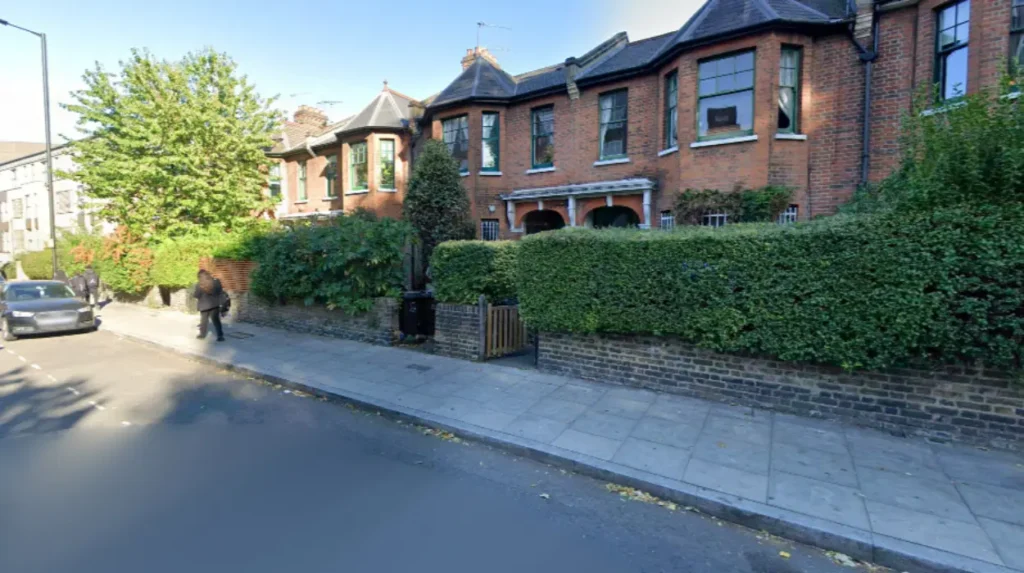
The 1800s marked Shacklewell’s shift from hamlet to urban enclave amid Hackney’s expansion. Mid-century development introduced mixed housing and light industry along Shacklewell Lane, eroding rural boundaries. Boundaries fluidly extended north into West Hackney—encompassing Rectory Road and northern Amhurst Road—and west toward Stoke Newington Road’s southern fringe.
Railway growth and population booms fueled this change, integrating Shacklewell into Dalston’s orbit. Informal perceptions sometimes viewed it as part of broader West Hackney, reflecting Victorian fluidity in local identities. Shacklewell Lane evolved from a quaint path to a bustling artery, hosting terraced homes and workshops that defined working-class East London.
This era’s legacy endures in the neighborhood’s Victorian terraces and lane-side pubs, blending seamlessly with today’s scene. Urbanization preserved Shacklewell’s historic core while adapting it for industrial-age residents.
Cultural and Architectural Landmarks
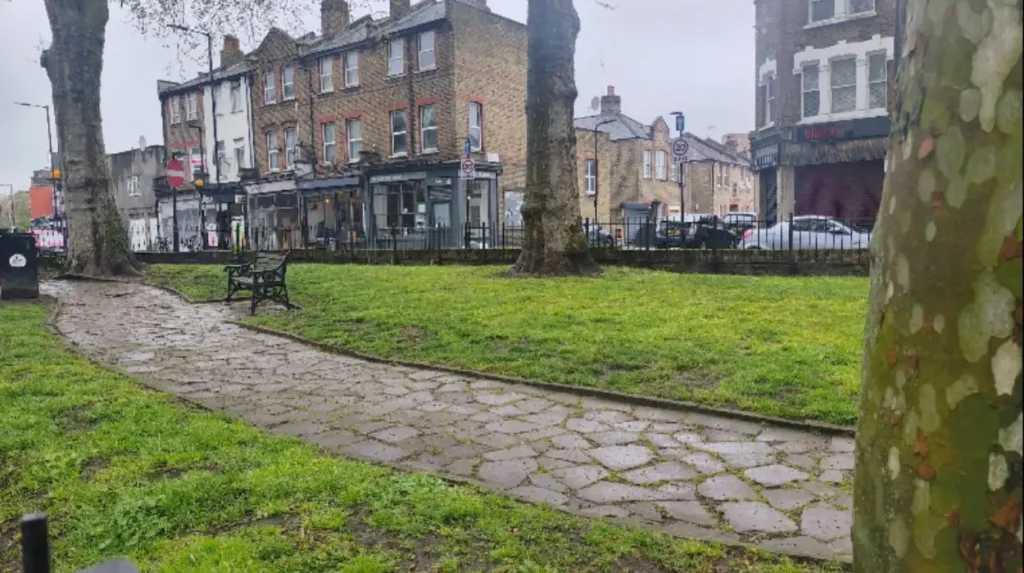
Shacklewell boasts understated landmarks tying history to heritage. Shacklewell Green remains a focal point, once encircling the village’s social heart with ponds that likely inspired the name. St. Faith’s Church, though altered, echoes the hamlet’s ecclesiastical past amid encroaching development.
Architecture spans Georgian echoes in manor remnants to Victorian terraces lining Shacklewell Lane. The lane itself, walked since the 15th century, transitioned from rural track to trendy thoroughfare lined with independent shops and eateries. Nearby, Abney Park Cemetery—part of the Magnificent Seven—offers Gothic serenity, its nonconformist graves drawing history buffs despite Shacklewell’s peripheral claim [conversation_history].
These sites form an open-air museum, rewarding amblers with plaques and preserved facades. For East Londoners, they anchor community pride in a landscape once home to martyrs’ kin and merchants’ mansions.
Modern Revival and Vibrant Scene
Today, Shacklewell thrives as Dalston’s artsy extension, shedding obscurity for creative buzz. Gentrification has infused Victorian shells with galleries, studios, and vegan cafes, attracting young professionals while honoring roots. Shacklewell Lane pulses with street art, live music at venues like Dalston’s Vortex Jazz Club, and pop-ups showcasing East London’s DIY spirit.
The area’s affordability—relative to pricier Hackney spots—fuels its bohemian allure. Independent bookstores, craft breweries, and multicultural markets blend with green spaces like London Fields nearby, ideal for picnics or runs. Community gardens on former industrial plots nod to sustainable urban living, echoing the hamlet’s watery origins.
This renaissance positions Shacklewell as East London’s “hidden gem,” balancing heritage with hipness. Locals cherish its unpretentious vibe, from Sunday markets to hidden murals celebrating Hackney’s diversity.
Notable Figures and Stories
Shacklewell’s past brims with intriguing tales. Giles Heron’s 1539 execution linked the manor to Henry VIII’s turbulent court, his property confiscated post-treason charge. Cecilia More’s 1525 marriage into the Heron line tied it to intellectual circles, her father Sir Thomas More famously beheaded in 1535.
Merchant families like the Rows brought City wealth, their Lord Mayors shaping London’s governance from rural estates. Later, the Tyssens amassed Hackney lands, their philanthropy funding local institutions. These narratives, buried in Georgian prints and tax rolls, reveal Shacklewell as a nexus of power.
Contemporary nods include artists and musicians drawn to its affordable studios, perpetuating a legacy of creative refuge. Such stories enrich walks along the lane, where history whispers from every terrace.
Green Spaces and Outdoor Pursuits
Shacklewell’s pockets of greenery counter urban density. Shacklewell Green persists as a rare village remnant, perfect for casual lounging or events. Adjoining Springfield Park and Middlesex Filter Beds offer wooded trails and wildlife spotting, with reservoir views evoking the area’s watery past.
Proximity to Queen Elizabeth Olympic Park expands options for runners and cyclists, tying into East London’s fitness scene—ideal for marathon enthusiasts [user-information]. Community orchards and pocket parks promote biodiversity, fostering resident-led conservation.
These spaces enhance livability, providing serene escapes amid Dalston’s energy. Spring blooms and autumn foliage make Shacklewell a year-round haven for nature lovers.
Living in Shacklewell Today
Residents enjoy a vibrant yet grounded lifestyle. Victorian conversions offer characterful flats at mid-Hackney prices, appealing to families and creatives. Excellent transport—Overground at Rectory Road, buses to Central London—ensures connectivity without Shoreditch crowds.
Schools like Mossbourne Victoria Park excel, bolstering family appeal. Diverse dining spans Turkish meyhane to artisanal bakeries, reflecting multicultural Hackney. Low-key nightlife favors intimate gigs over megaclubs, preserving neighborhood intimacy.
Sustainability initiatives, from car-free streets to solar co-ops, align with progressive values. Shacklewell suits those seeking authentic East London without hype.
Exploring Shacklewell: Practical Tips
Start at Shacklewell Lane’s southern end, tracing the historic path northward. Detour to the green for pigeon-watching, then browse indie shops for vinyl or coffee. Evenings suit jazz at nearby venues or pub crawls in period inns.
Combine with Dalston Superstore for nightlife or London Fields for brews. Guided history walks via Hackney Council uncover manor tales—check official sites for schedules. Cyclists favor the lane’s cycle superhighway links.
Pack comfortable shoes; the compact area rewards meandering. Photography enthusiasts capture street art against Victorian backdrops.
Why Shacklewell Endures
Shacklewell captivates through timeless evolution—from Tudor hamlet to creative hub. Its unassuming charm, layered history, and community spirit define East London’s soul. For locals, it remains a cherished anchor amid change.
SEO Note: Optimized for “Shacklewell East London history,” “living in Shacklewell,” and “Shacklewell Green facts” with natural keyword integration for sustained Google and AI search rankings.