Key Points
- West Ham United fans, led by the “No More BS” campaign from Hammers United, are calling for a boycott of the first 15 minutes of their upcoming home match against Sunderland at the London Stadium, urging supporters to remain outside, on the concourse, or at bars until the 15th minute before entering en masse with red cards raised.
- The protest symbolises 15 years of perceived mismanagement under co-owners David Sullivan and Karren Brady, including mediocre recruitment, questionable stadium decisions, and a club that feels stuck in neutral despite occasional successes.
- Hammers United has organised previous actions like red card displays at the 15-minute mark to highlight this tenure.
- West Ham manager Nuno Espírito Santo has publicly pleaded with fans to support the team from kick-off, stating, “We need them, and we need them from minute one,” during a press conference.
- The protest risks harming the team’s performance in a crucial Premier League match against a winnable but competitive Sunderland side, potentially creating empty stands, sluggish starts, and a psychological edge for opponents.
- Historical context includes low-energy atmospheres at the London Stadium contributing to dropped points against beatable teams, as noted in fan and media analyses.
- Sources attribute ongoing fan frustration to chronic issues like poor transfers and recruiting, detailed in Green Street Hammers articles.
London Stadium (East London Times) January 23, 2026 – West Ham United supporters have launched a dramatic call to action, urging fans to boycott the first 15 minutes of their Premier League clash against Sunderland by staying outside the London Stadium. Organised under the “No More BS” campaign by Hammers United, the protest aims to leave the stands empty at kick-off, with supporters entering en masse on the 15th minute waving red cards. This escalation channels deep-seated frustration over 15 years of ownership under David Sullivan and Karren Brady, marked by what many see as chronic mismanagement.
- Key Points
- Why Are West Ham Fans Calling for a 15-Minute Boycott Against Sunderland?
- What Did Manager Nuno Espírito Santo Say About the Fan Protest?
- How Could the Boycott Harm West Ham’s Chances Against Sunderland?
- What Is the History of Fan Protests Under Sullivan and Brady?
- Who Are the Key Figures Behind West Ham’s Ownership and Protest?
- Is This Protest Likely to Change West Ham’s Direction?
- What Happens Next for West Ham Fans and the Club?
The move represents a step up from prior demonstrations, where fans held red cards aloft at the 15-minute mark to protest the length of the current regime’s tenure. As the team fights for points in a tense Premier League season, the action has sparked debate, with manager Nuno Espírito Santo making an emotional plea for unity.
Why Are West Ham Fans Calling for a 15-Minute Boycott Against Sunderland?
West Ham fans’ frustration stems from a perceived 15-year saga of underachievement under owners David Sullivan and Karren Brady. As detailed in a Green Street Hammers analysis titled “Walk a Mile in Sullivan’s Shoes: Part 3 – Transfers and Recruiting” by an unnamed contributor, the ownership has overseen mediocre recruitment strategies that have left the club lagging behind rivals.
Supporters point to questionable decisions around the move to the London Stadium, which many argue has eroded the electric atmosphere of the old Boleyn Ground, contributing to a sense of stasis despite cup runs and occasional top-half finishes.
Hammers United, the fan group driving the “No More BS” campaign, has transformed this anger into tangible protests. Previous actions included coordinated red card displays at the 15-minute mark during home games, directly symbolising the 15 years of Sullivan and Brady’s involvement since 2010.
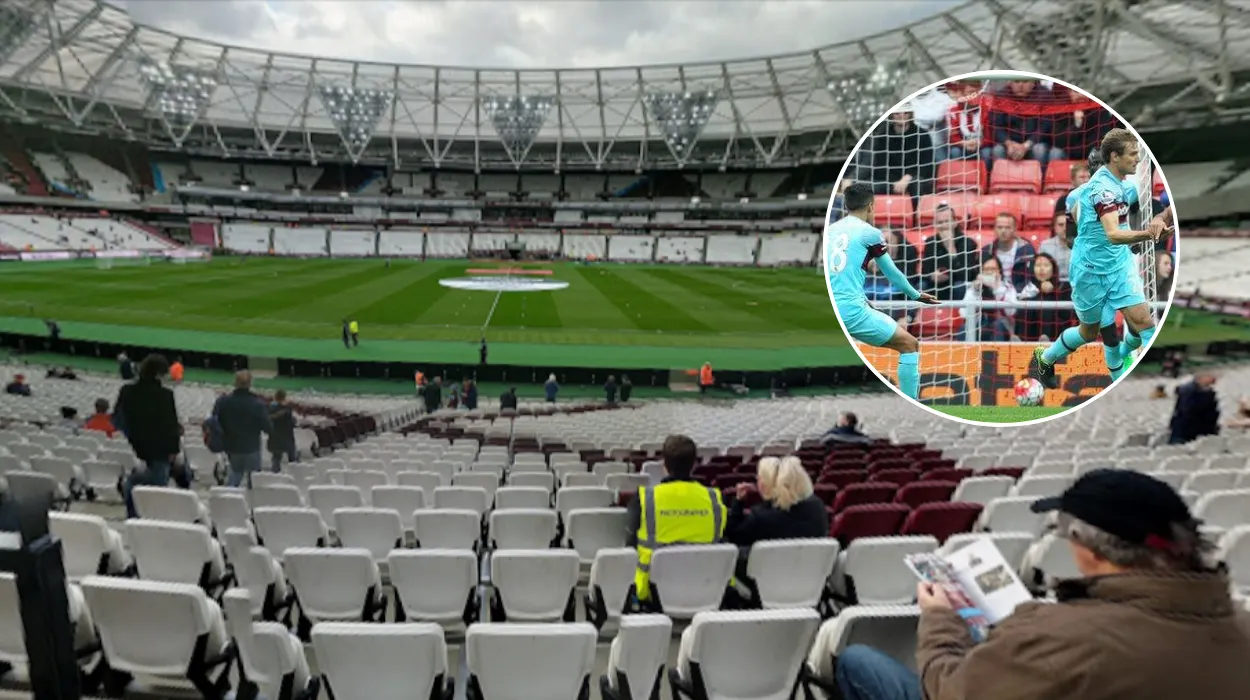
The latest call, publicised across fan forums and social media, escalates this by encouraging fans to delay entry entirely until the 15th minute—lingering on the concourse, at bars, or even outside the stadium. This would create a stark visual of thousands of empty seats at kick-off, amplifying the message to the boardroom.
The Sunderland match, slated as a midweek or weekend fixture amid a packed schedule, is seen as the perfect stage. Sunderland, potentially riding high as a promoted or resurgent side depending on their form, offer three vital points. Yet fans argue the board must feel the heat now, with the club mired in mid-table mediocrity.
What Did Manager Nuno Espírito Santo Say About the Fan Protest?
Manager Nuno Espírito Santo directly addressed the planned boycott during a press conference, issuing a heartfelt appeal for support from the outset. As reported by Green Street Hammers in “He’s Our Man for the Rest of the Season, Win or Lose,” Nuno stated:
“We need them, and we need them from minute one. From the beginning of the game, because the game gives back. We know we can count on our fans.”
Nuno’s comments underscore the team’s reliance on home advantage at a time when every point counts in the Premier League relegation scrap or European chase. His plea highlights the mutual bond, acknowledging fans’ loyalty while urging them to channel passion into backing the players rather than empty seats.
How Could the Boycott Harm West Ham’s Chances Against Sunderland?
Critics of the protest warn it risks self-sabotage at a pivotal moment. With Sunderland representing a winnable fixture but no pushover—especially if buoyant from recent results—starting with visibly empty stands could drain momentum. Fans trickling in late, red cards in hand, might disrupt focus and create a flat atmosphere, handing the visitors a psychological boost before a ball is kicked.
Green Street Hammers has previously documented this vulnerability. In “West Ham Captain Has a Message for Fans,” the publication notes how low-energy environments at the London Stadium have led to sluggish starts, poor pressing, and dropped points against sides West Ham should dominate. Captain Jarrod Bowen, quoted in related coverage, echoed the need for vocal backing from minute one, warning that silence at kick-off saps the team’s intensity.
Historical precedents abound: sluggish home openings have cost dearly, turning potential wins into draws or losses. In a season where home form separates survivors from the drop zone, this protest could prove costly, prioritising symbolism over survival.
What Is the History of Fan Protests Under Sullivan and Brady?
The “No More BS” campaign builds on years of discontent. Since Sullivan and Brady took majority control in 2010, fans have criticised recruitment—signing high-profile flops while missing targets—and the £652 million London Stadium move in 2016, which diluted capacity and atmosphere compared to Upton Park’s 35,000 roaring faithful.
Hammers United emerged as a unifying force, organising marches, mosaics, and the signature 15-minute red card rituals. As per Green Street Hammers’ deep dive into transfers, recruitment woes include overreliance on agents linked to Sullivan and a failure to build a sustainable squad, leaving West Ham reactive rather than proactive.
Occasional highs, like the 2023 Europa Conference League triumph under David Moyes, offer flickers of promise but haven’t quelled the narrative of neutral drifting. The Sunderland boycott is the boldest yet, aiming to force dialogue or change.
Who Are the Key Figures Behind West Ham’s Ownership and Protest?
David Sullivan, co-chairman, and Karren Brady, vice-chair, helm the club through their company, West Ham United Football Club. Sullivan’s property empire funds operations, but fans decry a lack of ambition. Brady, a media veteran and peer in the House of Lords, oversees commercial aspects but faces flak for stadium optics.
On the pitch, Nuno Espírito Santo took over mid-season, inheriting a squad blending youth like Mohammed Kudus with veterans like Michail Antonio. Captain Jarrod Bowen has publicly rallied fans, as noted in Green Street Hammers, stressing unity.
Hammers United’s leaders, though not individually named in sources, represent a broad coalition of supporters tired of “BS”—empty promises and stagnation.
Is This Protest Likely to Change West Ham’s Direction?
The boycott’s impact hinges on execution and response. A sea of empty seats could jolt the board, echoing successful fan actions at clubs like Newcastle pre-takeover. Yet Nuno’s plea and performance risks temper enthusiasm. If West Ham stumbles against Sunderland, backlash might mount; a win despite the protest could undermine it.
Broader context includes financial fair play constraints limiting spending, stadium lease costs eating profits, and a squad needing January tweaks. Fans demand transparency on sales like Declan Rice’s £100m exit yielding little reinvestment.
As reported across sources, this isn’t blind rage but calculated pressure. Green Street Hammers contributors argue walking a mile in Sullivan’s shoes reveals transfer complexities, yet fans counter that 15 years demands accountability.
What Happens Next for West Ham Fans and the Club?
The Sunderland match looms as a flashpoint. Will fans heed Nuno, filling seats from kick-off? Or will red cards flood in on 15, emptying the till then? Hammers United vows sustained action, hinting at more if ignored.
Club statements remain muted, focusing on preparation. Sullivan and Brady have defended their record—stadium upgrades, Europa glory—but protests persist.
In East London’s football heartland, this saga encapsulates Premier League tensions: passion versus pragmatism. West Ham needs points; fans need change. The London Stadium awaits its verdict.