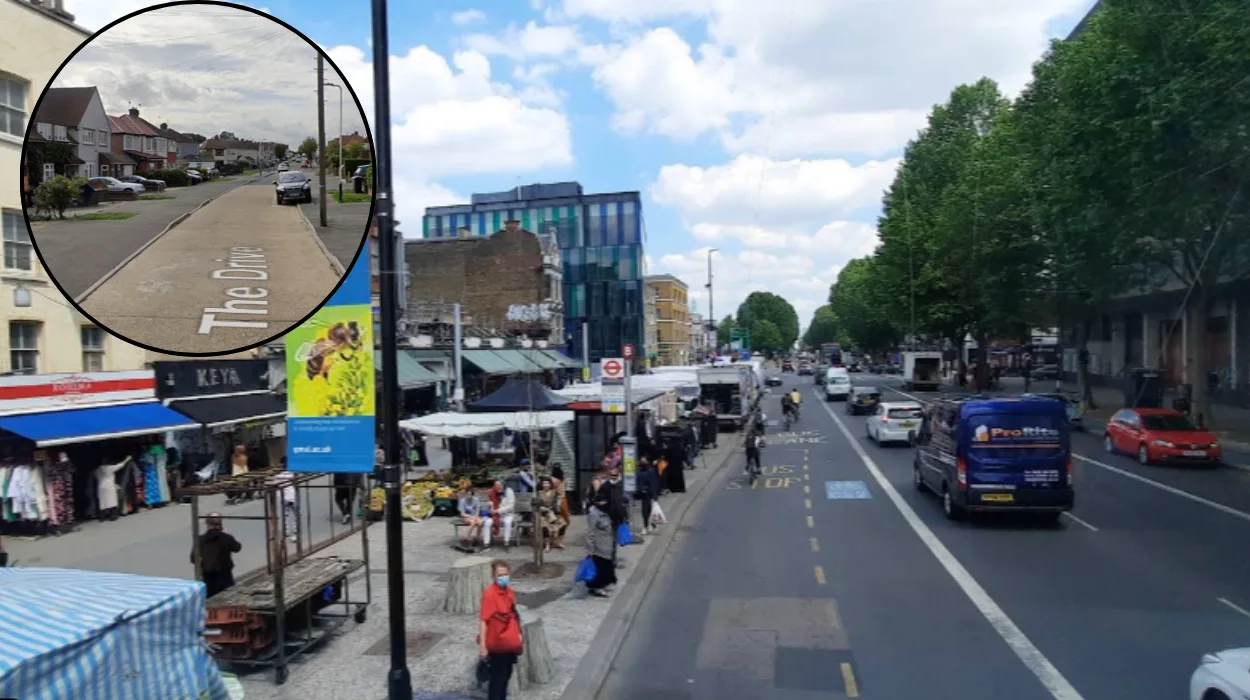
Collier Row offers a perfect blend of suburban tranquility and urban convenience in the London Borough of Havering. This evergreen guide explores its rich history, vibrant community, and practical living tips for locals and newcomers alike.
Origins and Evolution
Collier Row derives its name from charcoal burners, or “colliers,” who worked the wooded areas of the ancient manor of Gobions in the 15th and 16th centuries. Archaeological finds reveal Roman settlement remains, underscoring its deep historical roots predating modern development.
The area’s transformation accelerated in the 1930s with large-scale housing estates built amid London’s inter-war expansion, shifting it from rural village to suburban hub around a central crossroads. Until Eastern Avenue (A12) opened in 1925, it remained surrounded by clover fields and hay, but improved links to London spurred speculative building that continued into the post-war era.
Today, as part of Havering—a borough named after the medieval Royal Liberty of Havering—Collier Row exemplifies Outer London’s suburban charm with protected green belt lands buffering urban sprawl.
Location and Geography
Situated 14 miles northeast of Charing Cross, Collier Row lies north of Romford, forming the northernmost extent of its conurbation. It borders Rise Park, Marks Gate, Hainault, Havering-atte-Bower, and Chigwell Row, with the A12 Eastern Avenue marking its southern edge.
Green belt parks and farmland enclose much of the area, preserving a semi-rural feel despite proximity to central London. The River Rom flows nearby, enhancing natural boundaries at sites like Collier Row Recreation Ground.
Bustling Town Centre
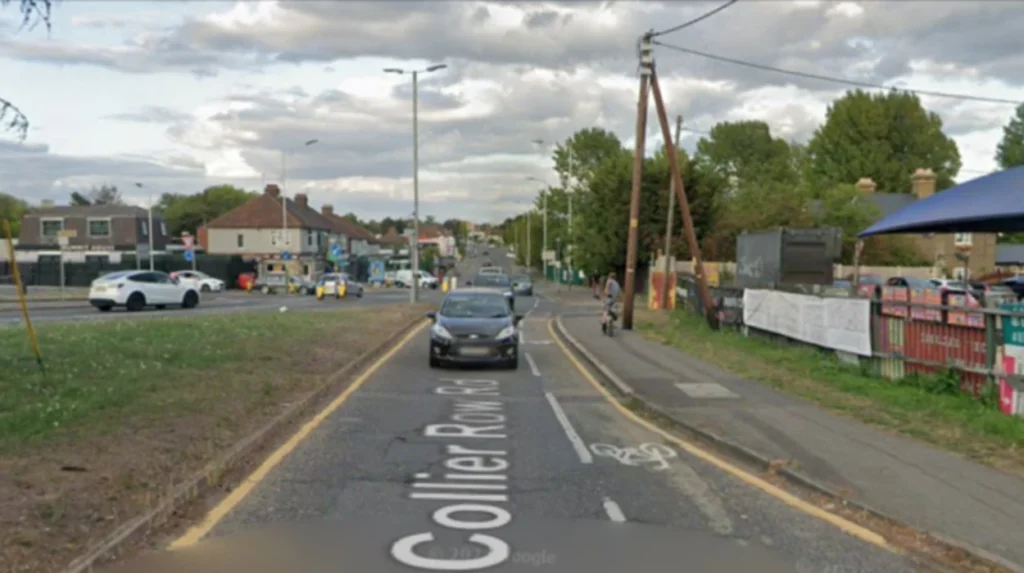
Collier Row’s modern suburban town centre, one of Havering’s seven designated centres, boasts over 70 shops and restaurants, mostly independent traders offering daily essentials and leisure options. Located 3km north of Romford and south of Havering-atte-Bower, its attractive building frontages create a welcoming vibe.
Key spots include The City Pavilion for community events and trade fairs, alongside local shops for everyday needs. Romford Market, the borough’s largest, lies nearby to the south, complementing the high street.
Community Spirit
Events like Collier Row Skills Share Socials foster neighbourly bonds through skill-sharing, crafts, and hobbies in a relaxed setting. Initiatives such as Changing Communities fund creative projects tailored to local needs in Collier Row and nearby areas like Harold Hill.
The diverse population—predominantly White British (around 62-69% in local postcodes), with significant 20-39 age group—supports a strong community ethos. Broader Havering trends show 75.3% White in 2021, with growing Asian (10.8%) and Black (8.2%) groups.
Education Excellence
Primary schools include Parklands Primary (opened 1929-1931, once Beacon Status), Clockhouse Primary, Crownfield Infant and Junior, and St. Patrick’s Catholic Primary. Bower Park Academy serves secondary needs.
Havering’s mix of foundation, community, and academy schools ensures options, though adult qualifications lag slightly behind London averages. Proximity to Havering Sixth Form and College supports further education.
Green Spaces Haven
Lawns Park, the remnant of Collier Row Common (17 acres), blends conservation areas, grassland, and ancient oaks with panoramic London views from elevated spots like Mashiters Hill. Collier Row Recreation Ground (6.17 acres) features inclusive play equipment along the River Rom.
Wellgate Community Farm adds a hands-on rural touch amid suburban estates. These spaces promote outdoor activities, aligning with Havering’s 23 square miles of green belt.

Seamless Transport Links
Buses like TfL routes 103, 175, 247, 252, 294, 365 (24-hour), 375, and commercial 575 connect to Romford Station (15-19 mins), Hainault/Newbury Park Underground (Central line), and London. No direct rail, but Romford offers Elizabeth line and Greater Anglia services.
The A12 provides swift access to the M25, London, and Essex coast; driving dominates commutes (31.8% by car/van borough-wide). Future East London Transit extensions may enhance links.
Property Insights
Average sold prices hit £440,777-£449,503 last year, up 5% from prior, with semis at £471,690, terraces £437,476, flats £248,620. Current listings range £675,000 (bungalows) to £800,000 (detached), reflecting value amid green surroundings.
Havering’s private rents rank most affordable in London relative to earnings. Demand stems from family homes in post-1930s estates.
Lifestyle Perks
Collier Row suits families and professionals with low crime, 4.5% unemployment (below London average), and Romford’s nightlife nearby. Queen’s Hospital in Romford handles A&E.
Running enthusiasts enjoy park trails; nearby Romford F.C. and Havering Hockey Club offer sports. Media like Romford Recorder and Bedrock Radio keep locals informed.
Notable Connections
While specific Collier Row natives are scarce, nearby Romford/Havering boasts stars like footballer Joe Cole (born Romford), photographer David Bailey, Olympian Tessa Sanderson, and musician Christine McVie. Comedian Frankie Howerd and Thunderbirds creator Gerry Anderson also link to the area.
Why Collier Row Endures
This resilient suburb balances history, nature, and accessibility, making it an evergreen choice for East London living. From Roman echoes to modern estates, Collier Row thrives as a community anchor in Havering.