Key Points
- The ‘Ley Lines’ community art exhibition launched last Saturday at SPACE Ilford Gallery in East London, featuring 3D printed and scanned artworks created by local Redbridge residents during six-week workshops led by artist Tadhg Charles earlier last year.
- Visitors at the launch were invited to engage through sensory play, moving, interacting, and touching artworks, with this interactivity continuing until the exhibition closes in June 2026.
- Artworks include scans, drawings, maps, and imagery about Redbridge, collated and curated by Tadhg Charles, displayed in accessible formats such as wall-mounted, table-mounted, and floor-placed pieces at varying heights for children, young people, wheelchair users, and others.
- The project explores community, storytelling, and technology, using digital tools like 3D scanning, photogrammetry, and sound recording, alongside personal storytelling from everyday objects.
- Guiding concepts include Participatory Action Research (PAR), Practice-Based Research, Georges Perec’s notion of the infraordinary (focusing on mundane details like roundabouts or broken pegs), critical digital heritage, and object biography.
- Community artist and workshop participant Ganesh Gaikwad praised the unique display method, noting its creativity for all to enjoy.
- Tadhg Charles emphasised inclusivity in installation design, catering to small children, wheelchair users, elderly visitors, first-time gallery-goers, and regulars, with tactile elements and invitations for visitors to rearrange works.
- Ordinary objects featured include photos of favourite coffee cups, gardens, and other mundane items turned into 3D prints to tell stories of people, places, and community.
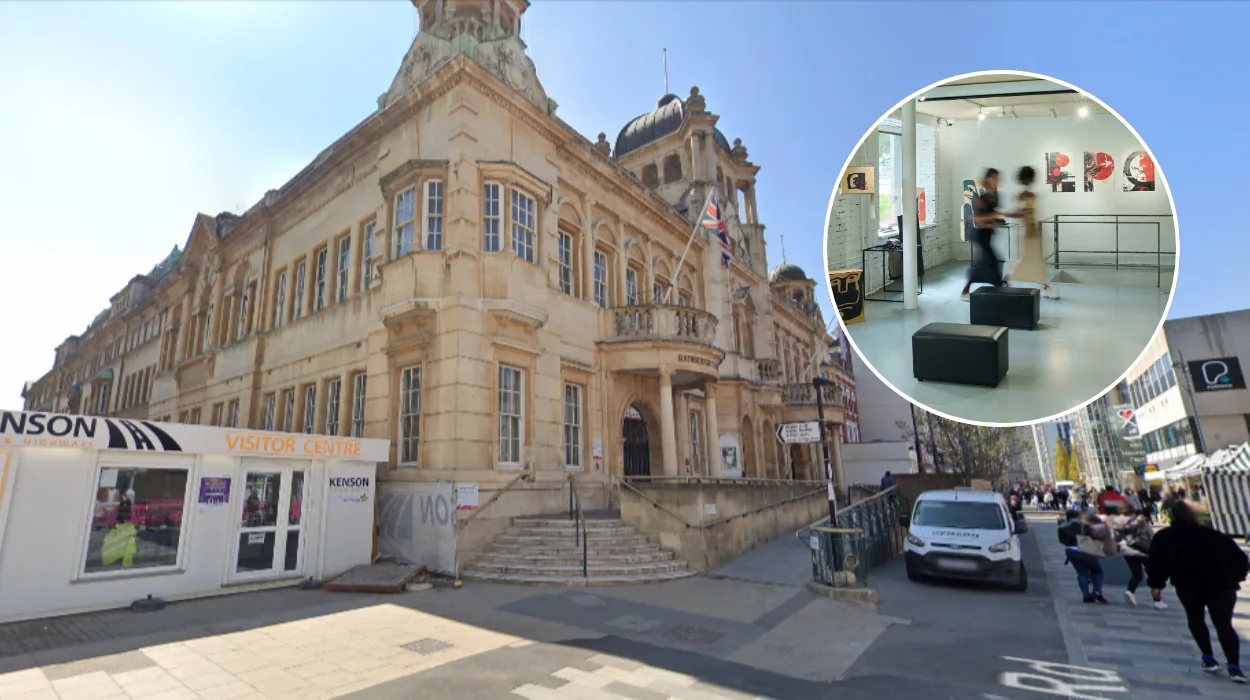
- Images credited to Alicja Jedryka at SPACE Ilford depict visitors interacting with colourful square artworks and 3D printed tiles from the group piece ‘All These Things’.
Ilford, East London (East London Times) January 29, 2026 – A vibrant new community art exhibition titled ‘Ley Lines’, co-created with residents from the London Borough of Redbridge, has launched at SPACE Ilford Gallery, inviting visitors to interact tactilely with 3D printed and scanned artworks until June 2026.
- Key Points
- What is the ‘Ley Lines’ Exhibition About?
- Who Launched the Exhibition and How Did the Opening Unfold?
- What Makes the Display Unique and Accessible?
- Why Focus on Everyday Objects and Community Stories?
- How Does ‘Ley Lines’ Blend Technology and Tradition?
- What is the Role of Artist Tadhg Charles?
- Who are the Key Participants and Contributors?
- When and Where Can Visitors See ‘Ley Lines’?
- Why is This Exhibition Significant for Redbridge?
What is the ‘Ley Lines’ Exhibition About?
The ‘Ley Lines’ exhibition showcases a collection of 3D printed items and scans of found local objects selected by community members during a series of six-week workshops held earlier last year at the gallery. These workshops were led by artist Tadhg Charles, who focused on blending personal storytelling with digital technologies such as 3D scanning, photogrammetry, and sound recording. Participants wrote from the perspectives of everyday objects, captured ambient sounds from familiar places, created digital replicas of personal artefacts, and reimagined Redbridge through physical and digital forms, building a shared archive of memory and belonging.
As reported in coverage from SPACE Ilford’s announcement, the project draws on Georges Perec’s notion of the infraordinary, highlighting small, everyday details—from a local roundabout to a broken peg—as carriers of cultural memory.
It also incorporates ideas from critical digital heritage, prompting reflection on what is gained and lost in digitisation, and object biography, framing artefacts as witnesses to lived experience. Practice-Based Research underpins the approach, recognising making and experimenting as valid knowledge forms, while Participatory Action Research (PAR) positions participants as co-creators rather than mere subjects.
The curation and layout prioritise accessibility, with tactile artworks positioned at various heights—some wall-mounted, others table-mounted or directly on the floor—for children, young people, and those without abled privilege to touch, feel, and engage fully.
Who Launched the Exhibition and How Did the Opening Unfold?
The exhibition officially launched last Saturday at SPACE Ilford Gallery, where the audience was encouraged to engage through sensory play by moving around, interacting, and handling the 3D printed and scanned artworks. This hands-on approach will persist throughout the run until June 2026, placing participants at the centre.
Accessible alt text from the launch imagery, credited to Alicja Jedryka at SPACE Ilford, describes two figures standing before a colourful square artwork on a white wall, with one pointing at it; the piece combines scans, drawings, maps, and Redbridge imagery generated in workshops and curated by Tadhg Charles. Another image shows a family—two adults (a man and a woman) and two children (a boy and a girl)—in front of four square, 3D printed white artwork tiles from the group piece ‘All These Things’, randomly arranged on a grey gallery wall, with one child leaning on a plinth bearing a brown 3D artwork.
What Makes the Display Unique and Accessible?
“The way that all of our exhibition artworks have been displayed is really unique — some are wall-mounted, some are table-mounted, and some have been placed directly on the floor. It’s a very creative way of displaying all of our artworks for everyone to enjoy which I really appreciate,” stated Ganesh Gaikwad, community artist and workshop participant, as quoted in the exhibition coverage.
Artist Tadhg Charles elaborated on the inclusive design:
“I’ve really tried to think of this as a real community arts exhibition down to the audience viewing the exhibition themselves so in the installation set up I’ve thought about everyone from having things that small children and people using wheelchairs can engage with right up to elderly people and everyone in-between. There is something here for people that have never visited an exhibition before through to those used to going to galleries – I want this exhibition to be tactile and accessible for everyone.”
Charles further explained the thematic focus:
“The entire exhibition is about Redbridge – how recognisable the area will be to people who visit the exhibition is a different question but part of what makes the exhibition so interesting. We’ve taken super ordinary objects – someone brought in photos of their favourite coffee cup from a local coffee shop or a photo of their garden and we’d explore how to portray those through 3-D Printing for example. It’s about playing with very, very mundane things, used and experienced everyday and thinking about how that can tell a story about a person, a place and a community.”
Why Focus on Everyday Objects and Community Stories?
A big question for me during the workshops and the exhibition installation was – what aspects of this exhibition can be shared? So we have a large amount of stuff in our exhibition which is tactile and can be touched. People attending will be invited to re-arrange the works and move things around and put their own stamp on the space – as a way of placing participants at the centre and increasing sharing,” Tadhg Charles added in the project description.
This emphasis on the mundane aligns with the infraordinary concept, transforming overlooked items into storytelling vessels that capture Redbridge’s essence. The resulting works form a creative archive that fosters a sense of belonging among diverse residents.
How Does ‘Ley Lines’ Blend Technology and Tradition?
By combining personal narratives with digital tools, the project bridges analogue creativity and modern tech. Participants digitised cherished objects, recorded local sounds, and experimented with photogrammetry to replicate artefacts, questioning digital heritage’s implications.
Tadhg Charles curated the final outputs, editing and collaging resident-generated content into cohesive pieces like the vibrant wall artworks and ‘All These Things’ tiles, which feature 3D printed objects chosen collectively.
What is the Role of Artist Tadhg Charles?
Artist Tadhg Charles spearheaded the six-week workshops, guiding Redbridge residents in co-creating the exhibition. Charles not only facilitated activities but also handled curation, layout, and installation, ensuring accessibility and interactivity defined the experience.
Charles’s vision permeates every aspect, from thematic choices to practical display solutions, making ‘Ley Lines’ a true community endeavour.
Who are the Key Participants and Contributors?
Local residents from the London Borough of Redbridge formed the core group, selecting objects and contributing stories. Ganesh Gaikwad, a community artist, actively participated and voiced appreciation for the display.
Photographer Alicja Jedryka at SPACE Ilford documented the launch, providing key images that highlight visitor engagement.
When and Where Can Visitors See ‘Ley Lines’?
The exhibition runs at SPACE Ilford Gallery in East London until June 2026, with ongoing encouragement for sensory interaction and rearrangement by visitors.
Launched last Saturday, it builds on last year’s workshops, offering a sustained platform for community expression.
Why is This Exhibition Significant for Redbridge?
‘Ley Lines’ elevates local voices, turning everyday Redbridge life into art that probes identity, memory, and technology’s role in preservation. Its participatory ethos and accessibility set a model for inclusive cultural projects in East London.
By foregrounding co-creation via PAR, it empowers residents as cultural producers, potentially inspiring similar initiatives borough-wide.