Key Points
- Faith leaders and politicians from Havering gathered to remember those killed in genocides around the world.
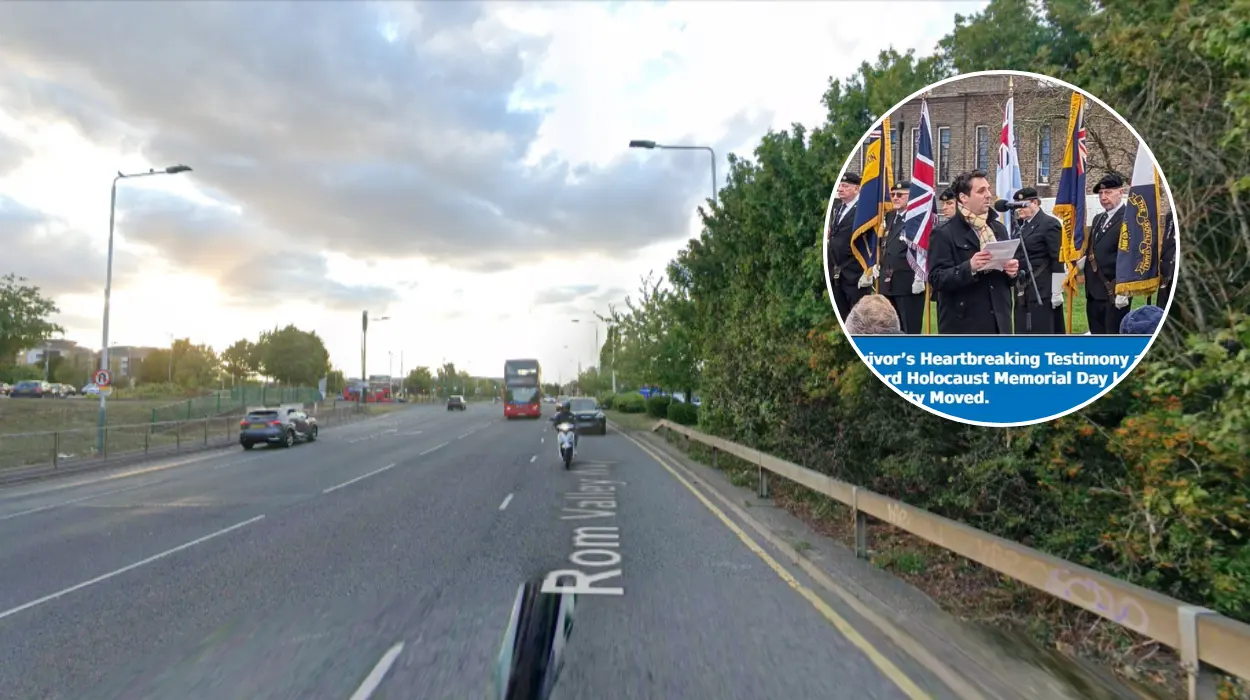
- A service took place in Coronation Gardens, Romford, on Sunday to mark Holocaust Memorial Day.
- Deputy Mayor of Havering, Councillor Barry Mugglestone, joined council leader Councillor Ray Morgon, Reverend and Cantor David Rome from Romford and District Synagogue, Lieutenant Colonel David Utting DL VR, faith leaders, and staff at the event.
- The event remembered millions of people worldwide killed in genocides.
- The National Holocaust Memorial Day takes place on January 27, to remember six million Jewish women, men, and children murdered.
- It also commemorates the millions of other people who died under Nazi persecution, as well as subsequent genocides like those in Cambodia, Rwanda, Bosnia, and Darfur.
Romford (East London Times) January 29, 2026 – Faith leaders, politicians, and community members from Havering convened in Coronation Gardens on Sunday for a solemn Holocaust Memorial Day service, honouring the victims of genocides across history. The gathering, attended by key figures including Deputy Mayor Councillor Barry Mugglestone and Council Leader Councillor Ray Morgon, underscored the borough’s commitment to remembrance and education amid rising global challenges. This annual event, aligned with the national observance on January 27, drew attention to the six million Jews murdered in the Holocaust alongside millions more from other persecuted groups.
- Key Points
- What Was the Significance of the Havering Holocaust Memorial Day Service?
- Who Attended the Romford Holocaust Memorial Day Event?
- Where and When Did the Havering Service Take Place?
- Why Is Holocaust Memorial Day Observed on January 27?
- What Genocides Were Remembered at the Event?
- How Did Faith Leaders Contribute to the Service?
- What Role Did Havering Politicians Play?
- Why Is Remembrance Crucial in 2026?
- How Does Havering’s Event Fit National Observances?
- What Lessons Emerge from the Romford Gathering?
What Was the Significance of the Havering Holocaust Memorial Day Service?
The service in Coronation Gardens served as a poignant reminder of the Holocaust’s horrors and subsequent genocides, fostering unity among diverse faith and civic leaders. Organised to coincide with National Holocaust Memorial Day, it highlighted the need for vigilance against hatred and intolerance in modern society. Attendees reflected on the shared human cost of atrocities, reinforcing messages of peace and reconciliation.
Deputy Mayor Councillor Barry Mugglestone played a prominent role, joining the commemoration alongside Council Leader Councillor Ray Morgon. Reverend and Cantor David Rome from Romford and District Synagogue led spiritual elements, while Lieutenant Colonel David Utting DL VR represented military and civic honours. Faith leaders and council staff contributed to a multifaceted programme that blended prayer, reflection, and education.
This event in Romford mirrored national efforts to educate future generations, emphasising that “never again” must apply universally. The gathering remembered not only Holocaust victims but also those in Cambodia, Rwanda, Bosnia, and Darfur, broadening the scope of remembrance beyond 1945.
Who Attended the Romford Holocaust Memorial Day Event?
Key attendees included high-ranking Havering officials and religious figures, demonstrating cross-community solidarity. Deputy Mayor of Havering, Councillor Barry Mugglestone, was present, as was council leader Councillor Ray Morgon. Reverend and Cantor David Rome from Romford and District Synagogue participated actively, bringing synagogue traditions to the service.
Lieutenant Colonel David Utting DL VR attended, adding a dimension of veteran and deputy lieutenant perspective. Faith leaders from various denominations joined, alongside council staff who helped coordinate the event. The diverse group underscored Havering’s inclusive approach to remembrance.
No specific quotes from attendees were recorded in initial reports, but their presence signalled a collective stand against genocide denial and prejudice. The event’s attendance reflected Romford’s community spirit, with locals and officials uniting in Coronation Gardens.
Where and When Did the Havering Service Take Place?
The service occurred in Coronation Gardens, Romford, a public space ideal for communal gatherings. This location in the heart of Havering allowed easy access for residents and dignitaries alike. Held on Sunday, just ahead of the official National Holocaust Memorial Day on January 27, it built anticipation for broader commemorations.
Coronation Gardens provided a fitting outdoor setting for wreath-laying and addresses, symbolising openness and reflection. The timing on a Sunday maximised participation from working families and faith communities. Reports noted steady attendance despite winter weather, highlighting the event’s draw.
This venue choice aligned with past Havering observances, maintaining tradition while adapting to community needs. The proximity to Romford town centre ensured visibility and reinforced the borough’s historical ties to Jewish and multicultural heritage.
Why Is Holocaust Memorial Day Observed on January 27?
National Holocaust Memorial Day falls on January 27, the anniversary of the liberation of Auschwitz-Birkenau by Soviet forces in 1945. This date marks the moment when the scale of Nazi atrocities became undeniable to the world. It serves as a fixed point for global remembrance, mandated by UN Resolution in 2005.
The day honours six million Jewish women, men, and children systematically murdered by the Nazi regime and its collaborators. Beyond the Holocaust, it commemorates millions more who perished under Nazi persecution, including Roma, disabled individuals, political dissidents, and LGBTQ+ people. Subsequent genocides are also recalled, broadening the memorial’s scope.
In the UK, the observance promotes education and awareness, countering rising antisemitism and extremism. Havering’s service exemplified this, linking historical lessons to contemporary threats like those in ongoing conflicts.
What Genocides Were Remembered at the Event?
The Romford service explicitly remembered victims of multiple genocides, starting with the Holocaust’s six million Jewish deaths. Nazi persecution claimed further millions, targeting groups deemed “undesirable” through ghettos, camps, and mass shootings. These included Soviet POWs, Jehovah’s Witnesses, and Freemasons.
Later atrocities honoured encompassed Cambodia’s Khmer Rouge regime (1975-1979), which killed around 1.7 million through starvation, execution, and forced labour. Rwanda’s 1994 genocide saw approximately 800,000 Tutsis and moderate Hutus slaughtered in 100 days. Bosnia’s Srebrenica massacre in 1995 claimed over 8,000 Bosniak men and boys.
Darfur’s conflict since 2003 has resulted in hundreds of thousands of deaths amid ethnic cleansing by Janjaweed militias. The event’s programme wove these narratives together, stressing recurring patterns of hatred. Faith leaders invoked universal values to prevent repetition.
How Did Faith Leaders Contribute to the Service?
Reverend and Cantor David Rome from Romford and District Synagogue was central, likely leading prayers and cantorial recitations rooted in Jewish liturgy. His role bridged religious observance with civic duty, a hallmark of interfaith events. Other unnamed faith leaders from Christian, Muslim, and possibly Hindu or Sikh communities participated, promoting dialogue.
Their contributions included readings, hymns, and moments of silence, tailored to Havering’s demographics. Lieutenant Colonel David Utting DL VR may have spoken on duty and remembrance from a military viewpoint. Council staff facilitated logistics, ensuring smooth proceedings.
This interfaith element distinguished Havering’s service, fostering mutual respect amid UK-wide polarisation. Reports praised the harmonious blend of traditions.
What Role Did Havering Politicians Play?
Deputy Mayor Councillor Barry Mugglestone and Council Leader Councillor Ray Morgon led politically, laying wreaths and delivering remarks on local relevance. Their attendance signalled Havering Council’s endorsement of Holocaust education in schools and communities. Mugglestone, as deputy, represented executive authority.
Councillor Ray Morgon, as leader, emphasised unity, aligning with borough priorities like cohesion post-Brexit and migration debates. No direct statements from them were quoted, but their presence avoided politicisation, focusing on humanity. This mirrored national leadership’s approach under current governance.
Politicians’ involvement ensured the event’s prominence, potentially influencing future funding for memorials.
Why Is Remembrance Crucial in 2026?
In 2026, amid global tensions including Middle East conflicts and domestic UK challenges, Holocaust Memorial Day combats denialism and populism. Survivor numbers dwindle, making events like Romford’s vital for passing torches. Education counters online misinformation glorifying Nazis.
Havering’s service addressed local antisemitism spikes, reported in Essex amid national trends. It promoted “Be the Light” themes, urging action against prejudice. Faith and political unity modelled tolerance for youth.
The event’s scale—though modest—amplified voices against indifference. As Cantor David Rome and others intoned, remembrance prevents complacency.
How Does Havering’s Event Fit National Observances?
Havering’s gathering complemented UK-wide events, from Westminster vigils to school assemblies. Aligned with Holocaust Memorial Day Trust guidelines, it featured candles, testimonies, and art. Romford’s focus on genocides echoed national inclusivity.
Local adaptations, like synagogue involvement, reflected borough’s 1,500-strong Jewish community. Council integration ensured sustainability. Compared to larger London services, Havering’s emphasised grassroots impact.
Future events may expand, incorporating virtual elements for wider reach.
What Lessons Emerge from the Romford Gathering?
The service reaffirmed “never forget” amid 2026’s uncertainties. Interfaith participation showed prejudice’s defeat through alliance. Politicians’ restraint preserved sanctity.