Key Points
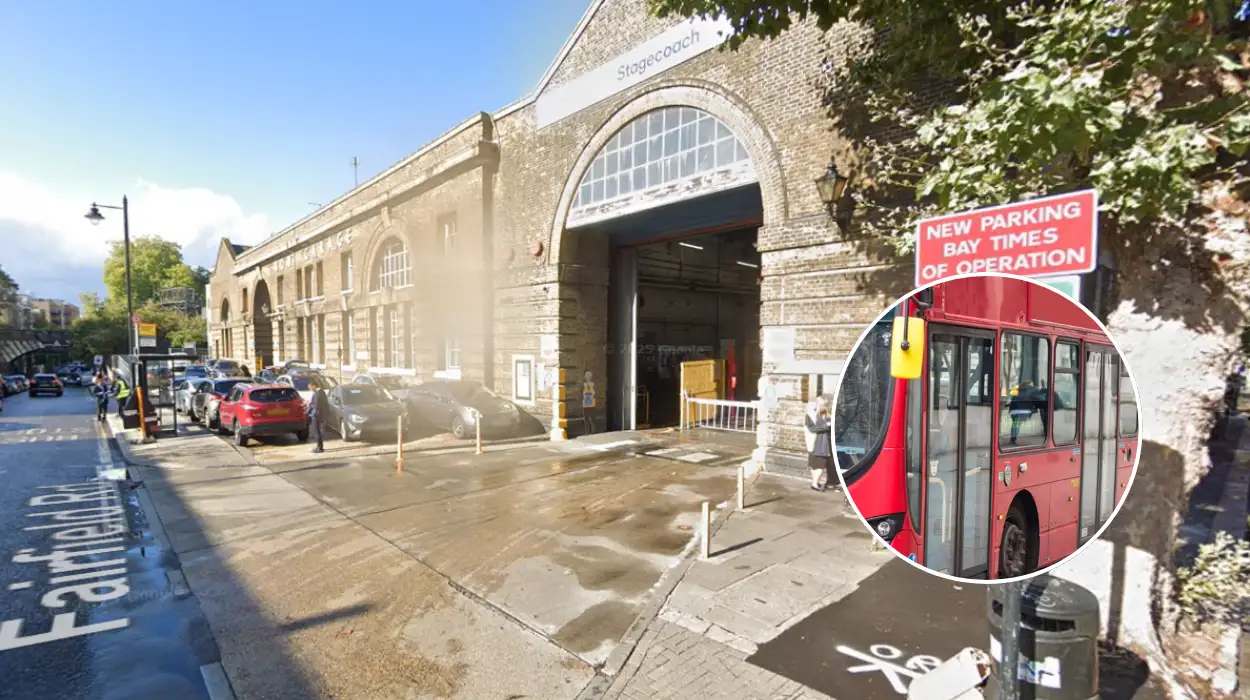
- Over 300 Unite union members at East London Bus & Coach Company (part of Stagecoach), based at Bow Bus Garage, are balloting for strike action over inadequate breaks, scheduling issues, and fatigue risks.
- Bus journeys up to 1.5 hours long, repeated multiple times per shift without sufficient rest, leading to driver exhaustion.
- Drivers receive only 10 hours’ rest between shifts, below the European Working Time Directive’s 11-hour minimum.
- Company requires drivers to use remote electric charging points, increasing workload; no scheduled meal breaks at depot, leaving no proper rest area.
- Unite General Secretary Sharon Graham warns of dangers to drivers’ and passengers’ safety due to fatigue.
- Ballot closes on 11 February 2026; potential disruption to routes including 8, 25, N25, 205, N205, 425.
- Stagecoach approached for comment but has not responded publicly in available reports.
- Related dispute at Lea Interchange Bus Company (Stagecoach, Leyton): 350 drivers striking 6, 7, 20, 21 February over alleged union busting and bullying.
- Unite Regional Officer John Murphy states industrial action avoidable if employer negotiates.
East London (East London Times) January 30, 2026 – More than 300 bus drivers at the East London Bus & Coach Company, a Stagecoach subsidiary, are set to vote in a strike ballot over grievances including inadequate breaks and scheduling that fosters fatigue, as reported across multiple outlets. Unite union members at Bow Bus Garage claim these conditions violate rest requirements and endanger safety. The ballot, closing on 11 February, could disrupt key routes serving east London communities.
- Key Points
- What sparked the strike ballot at Bow Bus Garage?
- Who are the key players in this dispute?
- How does fatigue endanger passengers?
- What routes face potential disruption?
- Is Stagecoach responding to the allegations?
- What is the related Lea Interchange strike about?
- When does the ballot close and what happens next?
- Why is this significant for east London commuters?
What sparked the strike ballot at Bow Bus Garage?
Drivers at Bow Bus Garage, operating under East London Bus & Coach Company, have raised alarms about break management and intolerable scheduling, according to Unite representatives. As detailed by Marco Marcelline of Waltham Forest Echo, workers report completing journeys lasting up to an hour and a half several times per shift without adequate breaks, exacerbating exhaustion. This follows ongoing tensions within Stagecoach operations in east London, where fatigue has become a flashpoint.
The union highlights that drivers receive just 10 hours’ rest between shifts, falling short of the European Working Time Directive’s mandated 11 hours. Unite asserts this shortfall, combined with repeated long routes, places undue strain on workers. Furthermore, the company allegedly mandates use of remote electric charging points for buses, adding to daily workload and fatigue, while refusing depot-based meal breaks, leaving no suitable recovery space.
Who are the key players in this dispute?
Unite the Union represents the over 300 affected drivers, all members at the Bow site. General Secretary Sharon Graham has been vocal, stating as reported by BBC News,
“Bus driver fatigue is a major issue for our members, not just in terms of their own safety but passenger safety too.”
Graham added,
“Unite will not stand for workers enduring poor conditions that lead to fatigue and place them and their passengers in danger. Our members will have our full support throughout this dispute.”
Unite Regional Officer John Murphy, cited by Marco Marcelline in Waltham Forest Echo, remarked:
“We know passengers will be concerned to hear of any travel disruption, but our members at Stagecoach have been left with no choice but to ballot for strike action to make their concerns heard. Industrial action can be easily avoided but that relies on the employer listening to our members and coming to the table with a solution to this problem.”
The East London Bus & Coach Company, part of Stagecoach, has been approached for comment but did not respond in time for publication in reports from BBC, Yahoo News, and Waltham Forest Echo.
How does fatigue endanger passengers?
Sharon Graham of Unite emphasised the peril, noting in coverage by Yahoo News and BBC:
“Bus driver fatigue is a major issue for our members, not just in terms of their own safety but passenger safety too.”
The union argues that long shifts without proper rest on demanding routes heighten accident risks for everyone on board. Drivers repeating 90-minute journeys multiple times daily without breaks amplify this threat, per Unite’s assessment.
Unite claims these practices breach directives designed to prevent such hazards, underscoring a broader safety crisis in bus operations. Graham reinforced:
“Unite will not tolerate workers facing subpar conditions that contribute to fatigue, endangering both themselves and their passengers.”
No specific incidents were detailed, but the union positions fatigue as a systemic danger.
What routes face potential disruption?
A strike could halt services on multiple east London lines, as outlined by Marco Marcelline in Waltham Forest Echo. Affected buses include the N205 from Paddington to Leyton Station; 425 from Clapton to Ilford; 8 from Bow Church to Tottenham Court Road; 25/N25 from Ilford to Holborn Circus/Oxford Circus; and 205 from Bow Church to Selfridges near Mayfair. These routes serve commuters, shoppers, and residents across Tower Hamlets, Newham, and Waltham Forest.
The ballot’s outcome will determine if disruptions mirror recent actions elsewhere, but passengers should prepare for possible delays if action proceeds. Waltham Forest Echo notes major impacts anticipated across east London if drivers vote yes.
Is Stagecoach responding to the allegations?
Stagecoach has been contacted repeatedly but offered no comment in initial reports from BBC News, Yahoo, and Waltham Forest Echo. In a related Lea Interchange dispute, Stagecoach denied Unite’s claims, stating it refutes allegations of union victimisation or bullying and recognises the trade union’s role, as per BBC coverage. The company mentioned efforts like independent mediation and openness to talks to avoid disruption.
For the Bow ballot, no direct response appears in available sources as of 30 January 2026. This silence contrasts with Unite’s calls for negotiation, leaving the dispute unresolved publicly.
What is the related Lea Interchange strike about?
In a parallel conflict, over 350 drivers at Lea Interchange Bus Company in Leyton—another Stagecoach arm—will strike on 6, 7, 20, and 21 February over alleged union busting and bullying of Unite reps, reported by BBC News and Waltham Forest Echo. Unite claims one member was wrongfully dismissed then reinstated, another suspended on “fabricated charges” after clashing with management.
Sharon Graham stated on this issue:
“Unite will never stand by and allow representatives to be intimidated; [they have] our complete backing throughout this conflict.”
John Murphy noted strikes inconvenience passengers but stem from employer inaction. Stagecoach countered:
“We have made considerable efforts… including agreeing to independent mediation… Our main goal is to mitigate disruption and ensure safe service.”
This action impacts 13 routes, overlapping east London travel woes.
When does the ballot close and what happens next?
The strike ballot for Bow drivers closes on Wednesday, 11 February 2026, per Waltham Forest Echo reporting by Marco Marcelline. Voting occurs in coming days among the 300+ Unite members. A yes vote could trigger walkouts, though dates remain unspecified pending results.
Unite pledges full support, while urging Stagecoach to negotiate to avert action. Amid the Lea strikes, east London faces compounded risks to public transport reliability. Passengers and locals monitor developments closely, as fatigue and union issues persist across Stagecoach sites.
Why is this significant for east London commuters?
East London relies heavily on these buses for daily travel, from Bow to Oxford Street and beyond. Potential strikes threaten access to work, shopping, and half-term outings, echoing Lea Interchange’s weekend hits including Westfield trips. Unite’s Murphy acknowledges commuter concerns but blames employer inaction.
Broader implications include safety scrutiny under fatigue directives and electric bus transition burdens. As independent outlets like Waltham Forest Echo warn, unresolved disputes could turn routine journeys into news deserts of disruption—yet negotiation remains possible. This ballot underscores labour tensions in London’s transport sector, demanding balanced resolution for workers and riders alike.