Key Points
- A bronze statue of East London boxing legend Teddy Baldock, known as the “Pride of Poplar,” was stolen from its plinth in Langdon Park, Poplar, on Sunday, 31st (likely January, given context).
- The theft was carried out by a group of four individuals using a cargo tricycle to remove and transport the statue.
- Tower Hamlets Council described itself as “shocked” by the incident and is reviewing CCTV footage to assist the police investigation.
- The council does not believe there is a wider risk to other statues or artworks in its parks, stating no evidence of a broader pattern exists.
- The council is amplifying the police’s public appeal for information to recover the statue and identify the culprits.
- Teddy Baldock became the bantamweight world champion in 1927 and holds the record as Britain’s youngest boxing world champion.
- Baldock’s grandson, Martin Sax, expressed worry over the theft and aims to raise awareness to prevent the statue from being sold to scrap dealers and melted down.
- Raising funds for the statue’s erection took significant effort, costing around £100,000.
- Video footage reportedly shows the moment of the theft, as referenced in related coverage.
- The statue holds important historical and community significance for the borough of Tower Hamlets.
Poplar (East London Times) February 10, 2026 – Tower Hamlets Council has dismissed concerns over a wider risk to statues in its parks following the brazen theft of a bronze monument honouring boxing legend Teddy Baldock from Langdon Park in Poplar on Sunday, 31st. A group of four thieves used a cargo tricycle to tear the statue from its plinth and make off with it, prompting shock from local authorities who are now reviewing CCTV footage to aid police. While the council insists no evidence points to broader threats against public artworks, Baldock’s grandson Martin Sax fears the irreplaceable bronze could be melted down for scrap, urging heightened awareness to thwart any such fate.
- Key Points
- What Happened During the Teddy Baldock Statue Theft?
- Who Was Teddy Baldock and Why Does His Statue Matter?
- How Has Tower Hamlets Council Responded to the Theft?
- What Risks Do Other London Parks Face from Similar Thefts?
- Why Is the Theft of Historical Statues a Growing Concern in the UK?
- What Do Police and Community Say About Recovering the Statue?
- How Was the Theft Executed and What Footage Exists?
- What Is the Historical Significance of Teddy Baldock in Poplar?
- Who Is Leading the Public Appeal Against the Thieves?
What Happened During the Teddy Baldock Statue Theft?
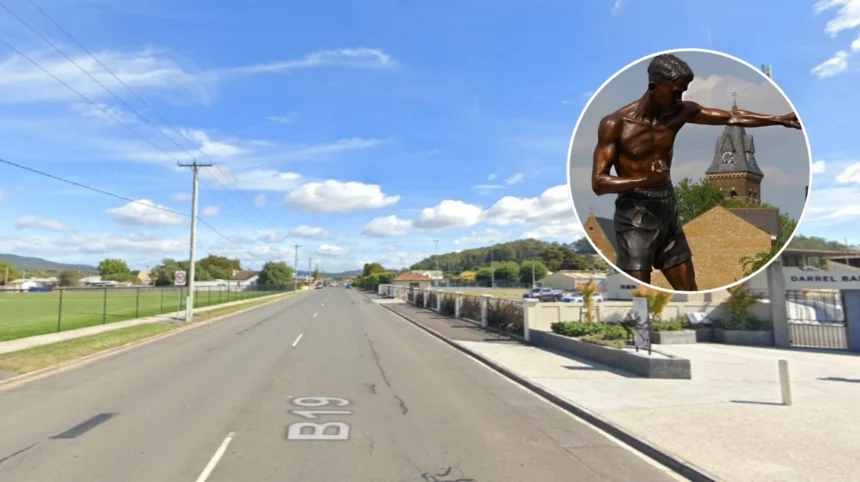
The theft unfolded in Langdon Park, Poplar, where the bronze statue of Teddy Baldock – the “Pride of Poplar” – stood as a tribute to the East London boxing icon. As detailed in the original coverage from MyLondon, thieves arrived with a cargo tricycle, enabling them to forcibly remove the monument from its plinth on Sunday, 31st. Video evidence reportedly captures the moment the group executed the heist, highlighting the audacity of the operation.
A council spokesperson for Tower Hamlets Council told MyLondon:
“We are shocked to hear of the theft of the Teddy Baldock statue from Langdon Park. The ‘Pride of Poplar’ statue is an important part of the borough’s history and means a lot to our community.”
This statement underscores the immediate community impact, with the authority pledging full support to the ongoing police investigation.
The spokesperson further elaborated on collaborative efforts, noting:
“We are amplifying the police’s public appeal for further information and reviewing our CCTV as part of the investigation, in the hope that we can find the statue and catch the culprits.”
No additional details on suspects or recovery leads were disclosed at the time of reporting.
Who Was Teddy Baldock and Why Does His Statue Matter?
Teddy Baldock earned fame as Britain’s youngest boxing world champion when he claimed the bantamweight title in 1927, cementing his legacy in Poplar and East London. The statue, erected after a community fundraising drive that amassed around £100,000, symbolised local pride and historical heritage for Tower Hamlets residents.
As reported by MyLondon, Baldock’s grandson Martin Sax voiced deep personal distress over the loss. He told MyLondon:
“It took a lot of effort getting the statue erected. We had to raise about £100,000. To know it’s most likely going to be melted and turned into scrap is horrendous.”
Sax’s comments highlight the emotional toll on family members and the fear that the statue’s bronze material could attract scrap dealers.
Sax also emphasised his proactive stance, stating he is
“worried and wants to spread awareness of the theft before the thieves get the chance to sell it on to a scrap dealer to melt it down.”
This appeal aligns with the council’s efforts to mobilise public assistance.
How Has Tower Hamlets Council Responded to the Theft?
Tower Hamlets Council acted swiftly, expressing profound dismay while committing resources to the probe. The spokesperson clarified the authority’s position on security: the council “does not think there’s any wider risk to statues in its parks after the theft.” They added that it “doesn’t have evidence of a wider pattern of risk to statues or artworks in other parks,” aiming to reassure residents amid speculation.
This measured response includes technical support for law enforcement.
“We are reviewing our CCTV to help police,”
the spokesperson confirmed, integrating local surveillance into the broader hunt for the four suspects and the missing statue.
The council’s amplification of the police appeal demonstrates a unified front, prioritising recovery and justice without escalating borough-wide alarms unnecessarily.
What Risks Do Other London Parks Face from Similar Thefts?
Concerns have surfaced about potential copycat crimes targeting other public monuments, yet Tower Hamlets Council remains steadfast. The spokesperson explicitly stated no indications suggest a “wider pattern,” countering fears that Langdon Park’s vulnerability signals systemic weaknesses across London parks.
This assessment follows the dramatic use of a cargo tricycle, which allowed the thieves to transport the heavy bronze efficiently. While MyLondon’s update flags the “risk to other London parks” in its headline, official rebuttals prioritise facts over conjecture.
Local figures like Martin Sax amplify urgency without endorsing panic, focusing instead on preventing scrap sales. No reports from other sources indicate immediate threats elsewhere in the capital, maintaining the incident as isolated pending further evidence.
Why Is the Theft of Historical Statues a Growing Concern in the UK?
The Baldock heist revives debates on protecting cultural assets amid rising metal thefts driven by scrap value. Bronze statues, like this one funded through £100,000 in community donations, represent irreplaceable links to figures such as the 1927 bantamweight champion.
Tower Hamlets’ reassurance – lacking “evidence of a wider pattern” – contrasts with family pleas from Martin Sax, who dreads the “horrendous” prospect of melting. Historical precedents of similar crimes underscore vulnerabilities, though councils stress targeted responses over blanket alerts.
Police involvement, bolstered by CCTV reviews, exemplifies standard protocol. Public appeals, echoed by the council, leverage community ties in Poplar, where Baldock’s “Pride of Poplar” moniker resonates deeply.
What Do Police and Community Say About Recovering the Statue?
Law enforcement leads the investigation, with Tower Hamlets Council providing CCTV and publicising appeals. The spokesperson noted:
“in the hope that we can find the statue and catch the culprits,”
reflecting optimism tied to footage analysis.
Martin Sax’s outreach to MyLondon serves as a familial call to action: “worried and wants to spread awareness.” His fundraising recollection – “We had to raise about £100,000” – evokes collective investment, galvanising locals against scrap disposal.
No arrests or sightings have been confirmed, but the cargo tricycle detail aids identification efforts. Community sentiment, per council remarks, views the statue as integral to borough identity.
How Was the Theft Executed and What Footage Exists?
The operation involved four perpetrators employing a cargo tricycle for the lift and removal from Langdon Park’s plinth. MyLondon referenced video showing “the moment East London boxing legend’s statue stolen,” capturing the Sunday, 31st event.
This mechanical aid explains the feat’s feasibility for such a robust bronze piece. Council CCTV reviews complement potential bystander recordings, enhancing leads.
What Is the Historical Significance of Teddy Baldock in Poplar?
Baldock’s 1927 triumph as bantamweight world champion at a tender age marks him as Britain’s youngest ever. The “Pride of Poplar” moniker endures through the now-stolen statue, a £100,000 testament to East End grit.
As the council’s spokesperson affirmed:
“an important part of the borough’s history and means a lot to our community.”
Family like Martin Sax perpetuate this legacy amid crisis.
Who Is Leading the Public Appeal Against the Thieves?
Tower Hamlets Council spearheads amplification of police calls, shocked yet resolute. Martin Sax, as grandson, personalises the fight:
“most likely going to be melted and turned into scrap is horrendous.”
Joint efforts prioritise recovery, with no wider risks assumed. Poplar’s community stands poised to reclaim its icon.