Key Points
- Margaret Mullane, Member of Parliament for Dagenham and Rainham, has expressed profound shock and distress over conditions at Queen’s Hospital, describing patients traumatised by health issues being left on trollies in Accident and Emergency (A&E) corridors.
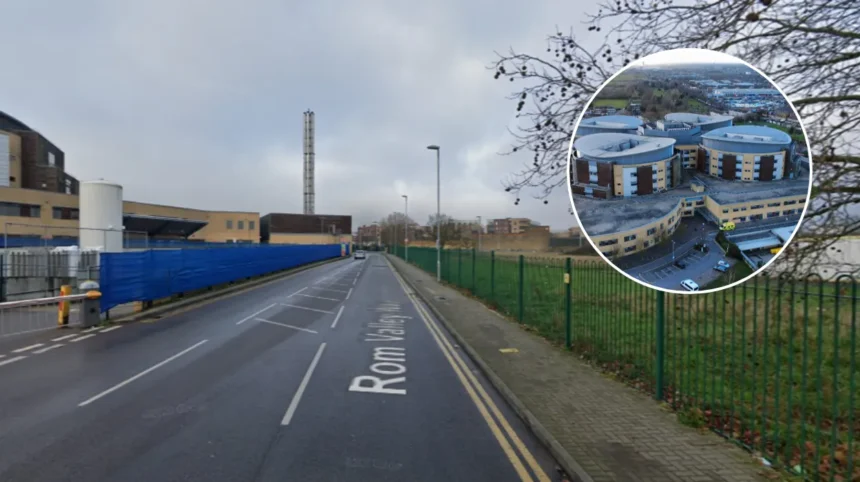
- Queen’s Hospital was designed for approximately 300 A&E patients per day but now handles an average of 750, which Mullane states is unsustainable.
- Mullane advocates for a £35 million investment in the A&E department to reduce waiting times, enhance care standards, and eliminate the indignity of corridor trollies.
- She credits the post-World War II Labour Government with creating and nurturing the NHS but criticises 14 years of Tory indifference to its principles and values.
- Labour inherited a dire situation upon taking office in July 2024, with the NHS nationwide described as “on its knees” after prolonged neglect and austerity.
- Mullane has held and continues to hold meetings with Government Ministers to highlight pressures at Queen’s Hospital and urge essential investment.
- One of her election pledges was to lower waiting times and improve services at Queen’s Hospital, a commitment she intends to fulfil.
- She met with the hospital’s senior leadership team before and after her election to discuss deep-seated problems and required solutions.
- Public campaigning works, as demonstrated locally by the successful fight to save Dagenham Police Station’s front counter.
- Mullane is intensifying her campaign to demonstrate community strength of feeling and secure Government investment for hospital improvements benefiting locals and overworked NHS staff.
- This commentary appears as her monthly column in The Havering Daily, published on 11 February 2026.
Dagenham and Rainham (East London Times) February 11, 2026 – Margaret Mullane MP, the Member of Parliament for Dagenham and Rainham, has issued a stark warning about the dire state of the National Health Service (NHS), declaring it “on its knees” after 14 years of neglect under the previous Conservative Government. In her monthly column for The Havering Daily, Mullane detailed heartbreaking scenes at Queen’s Hospital, where patients endure indignities in overcrowded A&E corridors, and called for urgent £35 million investment to address unsustainable pressures. She emphasised her commitment to improving local services as part of her election pledges, vowing to intensify public campaigning to secure Government action.
- Key Points
- What Shocked Margaret Mullane MP Most at Queen’s Hospital?
- How Is Margaret Mullane Engaging with Queen’s Hospital Leadership?
- Why Does Margaret Mullane Blame 14 Years of Tory Rule?
- What Actions Is Margaret Mullane Taking with Government Ministers?
- Why Does Margaret Mullane Believe Public Campaigning Works?
- What Is the Broader Context of NHS Pressures in Britain?
- How Does Margaret Mullane’s Column Fit into Her Role?
- What Challenges Lie Ahead for Queen’s Hospital Investment?
What Shocked Margaret Mullane MP Most at Queen’s Hospital?
As reported by Margaret Mullane MP in her column for The Havering Daily on 11 February 2026, “Nothing has shocked and distressed me more, than what I have witnessed on visits to Queen’s Hospital in the last few years.” She described being
“heartbroken to see people already traumatized by their health condition, suffering the indignity of being stacked on trollies in the Accident and Emergency Department’s corridors.”
Mullane stated that these observations provided her with
“further motivation to want to become the Member of Parliament for Dagenham and Rainham to fight to improve the lives of local people.”
The MP highlighted the hospital’s design capacity, noting,
“The fact is Queen’s Hospital was designed to treat about 300 patients a day through A&E, it currently sees an average of 750 – this is not sustainable.”
This stark disparity underscores the operational strain, with Mullane positioning her parliamentary role as a direct response to such crises.
How Is Margaret Mullane Engaging with Queen’s Hospital Leadership?
Margaret Mullane MP detailed her proactive involvement, writing in The Havering Daily,
“I met with the senior leadership team at the hospital before and since being elected and listened to what they believe is needed to put right the deep seated problems.”
She expressed conviction that “a £35million investment in A&E is required to enable it bring down waiting times, improve standards of care and end the indignity of people being left in corridors on trollies.” These meetings reflect her hands-on approach to addressing systemic issues.
Mullane’s advocacy extends beyond consultation, as she affirmed her determination to deliver on promises. She linked this to broader NHS challenges, stating her pride in the institution’s origins:
“I am so proud that it was a Labour Government immediately after World War 2 that created and nurtured the NHS.”
Why Does Margaret Mullane Blame 14 Years of Tory Rule?
In her column published by The Havering Daily on 11 February 2026, Margaret Mullane MP criticised the previous administration sharply:
“However good any institution might be, there will be times that it needs improvements and actions to meet new pressures and challenges. That’s certainly true of the NHS after 14 years of Tory Government indifference to its underpinning principles and values.”
She argued that this neglect left the service vulnerable to mounting pressures.
Mullane contextualised Labour’s inheritance: “Of course Labour inherited a mess on taking office in July 2024. The NHS across Britain is on its knees after 14 years of neglect under a government that didn’t care.” Acknowledging competing demands, she noted,
“I know the task is great, and that there are many other public service areas in desperate need after years of austerity.”
What Actions Is Margaret Mullane Taking with Government Ministers?
Margaret Mullane MP outlined her ongoing diplomatic efforts in The Havering Daily:
“I have had and continue to have meetings with Government Ministers to draw attention to the pressures and call for the essential investment that Queen’s and the local community is desperate for.”
This persistence underscores her role as a conduit between local needs and national policy.
She reaffirmed her electoral commitments:
“However, one of my election pledges was to bring down waiting times and improve services at Queen’s Hospital and that is what I intend to do.”
Mullane positioned these efforts as part of a broader fight for public services.
Why Does Margaret Mullane Believe Public Campaigning Works?
Drawing on local precedent, Margaret Mullane MP wrote in her Havering Daily column,
“Let me be very clear, public campaigning to secure just causes works, our fight to save the Dagenham Police Station’s front counter shows that locally.”
This example illustrates the efficacy of community mobilisation in her view.
She declared her next steps unequivocally:
“So I am stepping up my campaign to show the strength of feeling in the community and to secure that investment from the Government in the hospital to secure the improvements that will benefit local people as well as the work of the hard pressed NHS staff.”
This escalation aims to amplify voices and drive tangible change.
What Is the Broader Context of NHS Pressures in Britain?
Margaret Mullane’s commentary arrives amid longstanding debates on NHS funding and capacity. Her reference to post-war Labour foundations highlights historical bipartisanship, contrasted against recent austerity measures. The MP’s focus on Queen’s Hospital exemplifies national trends, where A&E attendances have surged beyond infrastructure limits.
While Mullane’s piece centres on Havering and Dagenham, her diagnosis of nationwide woes – “The NHS across Britain is on its knees” – resonates with reports of record waiting lists and staff shortages inherited by the Labour Government in July 2024. Her call for targeted investment aligns with pledges to restore services strained by a decade and a half of underfunding.
How Does Margaret Mullane’s Column Fit into Her Role?
Published as her monthly column in The Havering Daily on 11 February 2026, this piece by Margaret Mullane MP serves as both personal testimony and political platform. It encapsulates her transition from observer to advocate, spurred by direct encounters at Queen’s Hospital. By attributing her motivations to witnessed suffering, Mullane humanises policy critiques.
The column’s tone blends outrage with resolve, avoiding partisan excess while firmly critiquing predecessors. Her emphasis on collaboration with hospital leaders and ministers signals a pragmatic path forward, rooted in her Dagenham and Rainham mandate.
What Challenges Lie Ahead for Queen’s Hospital Investment?
Securing £35 million demands navigating fiscal priorities, as Mullane acknowledged: multiple public sectors vie for resources post-austerity. Her strategy hinges on public pressure, proven locally via the police station campaign. Success could set a precedent for similar pleas nationwide.
Mullane’s narrative frames the stakes: dignity for patients, relief for staff, and sustainability for a cornerstone institution. As MP, she positions herself at the vanguard, urging swift Government response to avert further decline.