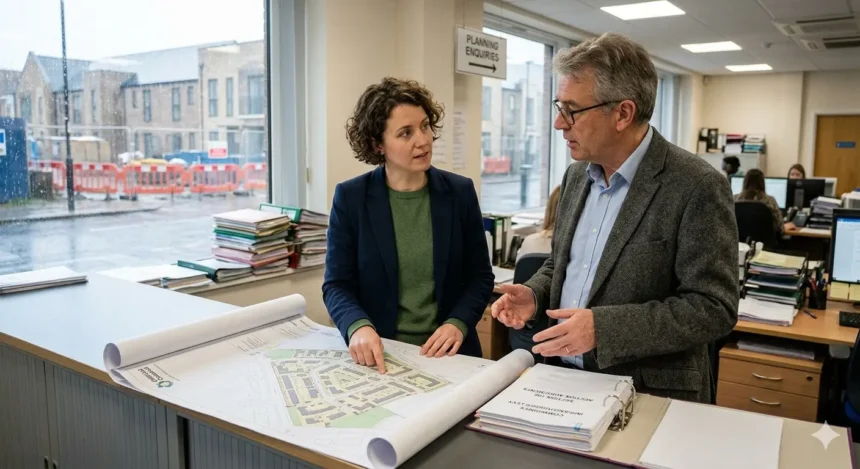
New developments in East London must contribute to local GP surgeries through planning obligations like Section 106 agreements or Community Infrastructure Levy (CIL) payments, as required under UK planning law. Local residents in Newham, Tower Hamlets, Hackney, Waltham Forest, Redbridge, and Barking & Dagenham can verify this by contacting their East London council’s planning team and reviewing public planning documents.
Why This Issue Matters to Local Residents
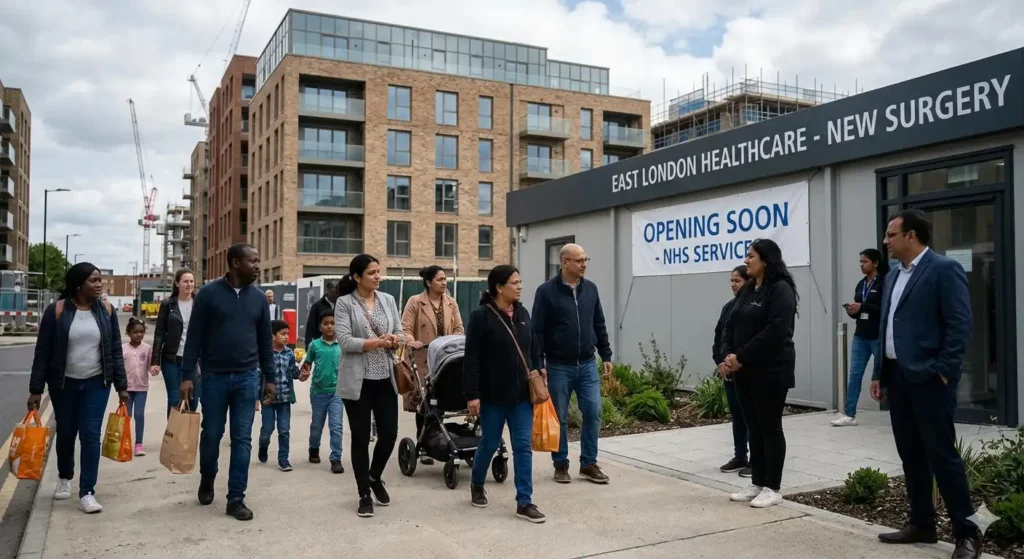
Access to GP services is essential for East London families, especially with rapid housing growth straining existing surgeries. Newham council and Tower Hamlets council areas often see high demand due to population increases, making developer contributions vital for expanding local healthcare.
Without these funds, waiting times for appointments can lengthen, affecting daily life for residents in Hackney or Waltham Forest. Checking contributions ensures new homes come with promised infrastructure, supporting community health over the long term.
This process empowers local residents to hold developers and councils accountable, promoting sustainable growth in Redbridge and Barking & Dagenham.
Step-by-Step Actions to Solve the Problem
Follow these practical steps to check contributions from a specific new development.
- Identify the planning application reference number via your East London council’s online planning portal or recent notices.
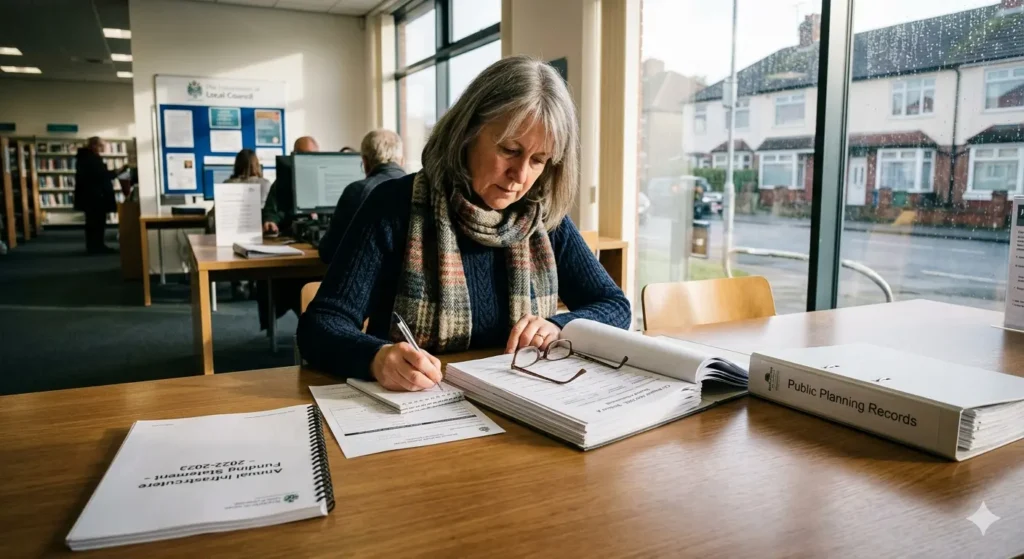
- Search the council’s planning register using the reference to access the decision notice and legal agreements.
- Review Section 106 agreements or CIL reports for healthcare clauses mentioning GP surgeries or Integrated Care Boards (ICBs).
- Contact the council’s planning officer named in the application for confirmation of payments and their use.
- Request details from the local ICB, such as North East London ICB, on how funds allocate to GP expansions.
Keep records of all communications for reference.
Which Council Service Handles It
East London councils manage this through their planning services, specifically the development management or planning policy teams. For example, Newham council’s planning portal lists applications, while Tower Hamlets council publishes CIL spending reports annually.
These teams enforce Section 106 agreements under the Town and Country Planning Act 1990 and administer CIL funds. Hackney council and Waltham Forest council similarly oversee monitoring officer roles for compliance.
Contact via the council’s general planning email or online enquiry form for quick access.
Information or Documents Needed
Gather these key details before starting.
Provide the development’s address, planning reference (e.g., 21/01234), and your postcode to confirm local interest. Decision notices outline obligations, while legal agreements detail GP contributions.
CIL registers show total receipts and expenditures on health infrastructure. ICB commissioning plans may reference funded projects near Redbridge or Barking & Dagenham.
No formal ID is required for public records, but noting your ward helps prioritise resident queries.
Expected Response Time
Councils typically acknowledge planning enquiries within 10 working days under UK freedom of information guidelines. Full responses on Section 106 details arrive in 20 working days, extendable to 40 for complex cases.
ICBs respond similarly via their public engagement channels. Track progress by referencing your enquiry number.
What to Do if Follow-Up Is Required
If no reply after the expected time, send a polite follow-up email quoting your original request.
Escalate to the council’s planning committee or monitoring officer if delays persist. Use the Local Government and Social Care Ombudsman as a last resort for unresolved issues, after exhausting internal complaints.
Document everything chronologically to strengthen your case.
Rights and Responsibilities Under UK Rules
Residents have rights under the Planning Act 2008 to view CIL registers and Section 106 agreements on public registers. Councils must publish annual infrastructure funding statements.
Your responsibility includes submitting clear, specific requests without demanding non-public commercial details. Developers fulfil obligations per legal contracts, monitored by councils.
This framework ensures transparency in line with National Planning Policy Framework guidelines.
Practical Tips to Avoid the Problem in Future
Stay proactive by subscribing to East London council planning alerts for Newham council or Tower Hamlets council applications in your area.
Join local resident associations or check Neighbourhood Plans for health infrastructure priorities in Hackney and Waltham Forest. Attend planning committee meetings to voice concerns early.
Monitor annual CIL reports on council websites to track GP funding trends across Redbridge and Barking & Dagenham.
Verifying developer contributions to GP surgeries equips East London residents with the knowledge to support better healthcare. By following these steps, you contribute to informed community growth.
How much does a GP practice get paid per patient?
In England, GP practices typically receive about £100–£170 per registered patient per year from the National Health Service, depending on factors such as age, health needs, and local funding adjustments. This core funding helps cover staff, services, and day-to-day running costs.