I want to start by saying thank you to the East London Times News for letting me share some information with the people who live in East London, UK. It is great that we have this platform to keep everyone informed, connected and safe.
In today’s world we use email a lot to talk to each other whether it is for work, banking or just to stay in touch with services. With all the good things about email there is also a big problem that is affecting people in East London: phishing emails.
So, what are phishing emails? Phishing emails are messages that try to trick people into giving away secret information like passwords, bank details, or personal stuff. These emails can look like they come from people we trust like banks, delivery companies, local councils or even doctors, which makes them dangerous.
A lot of people in East London have said that they are getting more of these fraud emails and the people sending them are making them look like they are from services and things that people in East London care about.
So why are phishing emails a problem in East London? East London is a place with a lot of different people living here and we use digital things a lot to talk to each other. The people who send phishing emails like to take advantage of this by pretending to be councils or housing associations sending fake messages about parcels being delivered or even pretending to be from the NHS or our local doctors. They also like to target businesses and community groups. Because we all use these services a lot it can be easy to think that phishing emails are real.
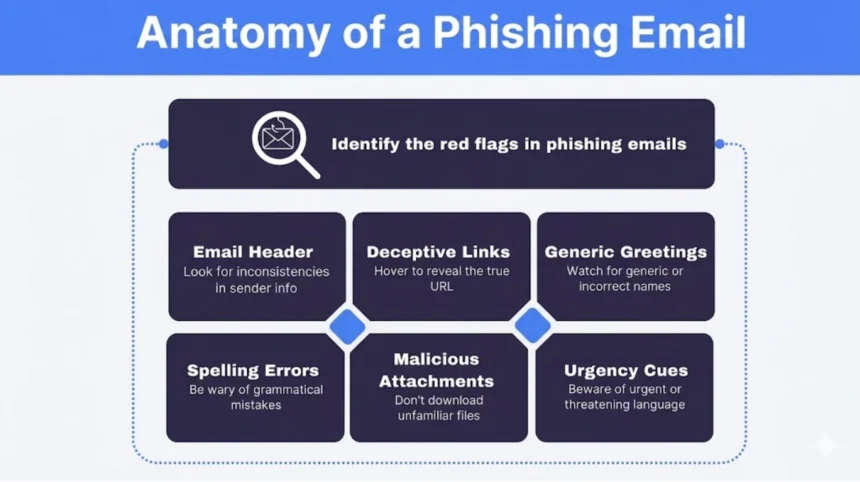
There are some signs that can help us figure out if an email is a phishing email. We should be careful if an email:
- Is trying to scare us into doing something away.
- Has an email address that does not look right?
- Has links that do not look right when we hover over them.
- Asks for financial information.
- Has attachments that we do not expect?
If we take a minute to look at an email, we can avoid some big problems.
Phishing emails do not just hurt the people who get them they can also hurt our community. People can lose money have their identities stolen or feel upset. Local businesses can also lose money. Have a bad reputation if their systems are hacked.
In our knit neighbourhoods in East London these problems can spread quickly especially to people who are older or do not know much about digital things.
So, what can we do to protect ourselves? We need to be aware of what is going on and look out for each other. Here are some simple things we can do:
- Check before we click on anything: call the organizations to make sure it is real.
- Use passwords and make sure we have two-factor authentication.
- Keep our software and antivirus tools up to date.
- Tell the people in charge if we get an email.
- Talk to our friends, family, and neighbours about it.
We can all work together to make our digital community safer. Community groups, local organizations, and residents can all help spread the word and support each other.
We can have workshops start campaigns and just talk to each other about being safe online. If we do this, we can be effective. By being informed and careful we can make East London a safer place from these threats.
Finally, I want to say that phishing emails are a problem but if we work together and are aware of what is going on we can make it smaller. East London is a place, with a sense of community and if we use that to help each other with digital safety, we can protect ourselves and each other in a world that is increasingly connected.