Key Points
- Leaseholders in a block in Upper Clapton, Hackney, are trapped in unsellable properties due to their freeholder, Restoration Hackney Ltd, owing £850,000 to Hackney Council.
- Mortgage providers refuse to lend on the flats because future leaseholders could become liable for the debt if the freeholder company goes bust.
- A family of leaseholders attempted to sell their property last year but the sale collapsed after lenders pulled out.
- Richard Bell, 38, repeatedly asked Hackney Council in September for a guarantee that it would not pursue leaseholders if the freeholder defaulted; the council declined.
- Leaseholders describe the council’s failure to enforce the debt as “irrational,” leaving properties unsellable.
- The developer and freeholder is Restoration Hackney Ltd, responsible for the outstanding debts to the local authority.
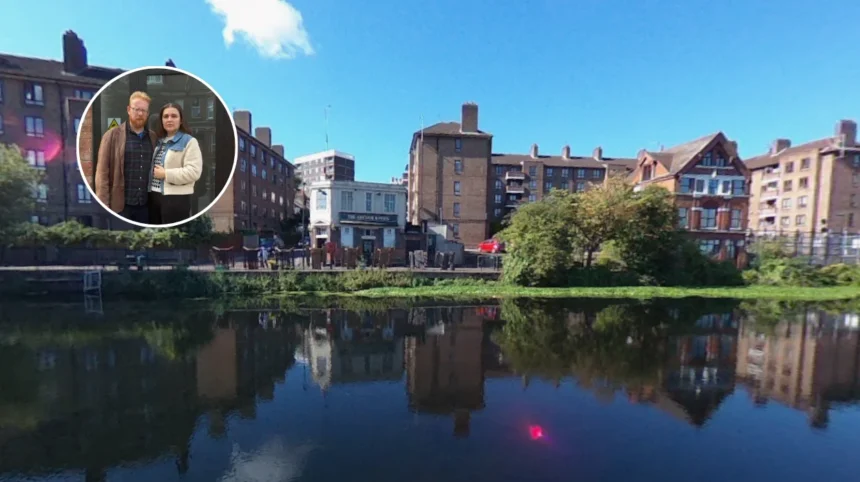
Upper Clapton, Hackney (East London Times) March 31, 2026 – Leaseholders at a residential block in Upper Clapton are facing a crisis as their properties have become unsellable due to their freeholder, Restoration Hackney Ltd, owing an outstanding £850,000 to Hackney Council. Mortgage providers have refused to lend on the flats, citing the risk that future buyers could be held liable for the debt should the company go into liquidation. Richard Bell, 38, a leaseholder who tried to sell his family flat last year, saw the deal collapse when lenders withdrew support over this issue.
- Key Points
- What Has Caused the Unsellable Properties in Upper Clapton?
- Who Is Richard Bell and What Did He Do?
- Why Did Hackney Council Decline the Guarantee?
- What Risks Do Leaseholders Face if the Freeholder Goes Bust?
- How Does Restoration Hackney Ltd’s Debt Impact Mortgage Lending?
- What Is Hackney Council’s Stance on Enforcing the Debt?
- Are There Similar Leasehold Issues in Hackney and East London?
- What Can Leaseholders Do to Resolve This?
- Broader Context: Hackney’s Housing and Debt Crisis
In a desperate bid to salvage the sale in September, Richard Bell contacted Hackney Council multiple times, requesting a formal guarantee that leaseholders would not be pursued for the freeholder’s debts in the event of default. The council declined to provide such assurance, exacerbating the leaseholders’ predicament. Leaseholders now feel “trapped” in their homes, unable to move or realise any equity, as reported in coverage by MyLondon.
What Has Caused the Unsellable Properties in Upper Clapton?
The root of the problem lies in the unpaid debts accrued by Restoration Hackney Ltd, the developer and freeholder of the block. According to details emerging from local property reports, this £850,000 sum represents obligations to Hackney Council that have not been settled.
Companies House records confirm Restoration Hackney Ltd’s existence since 2014, but no public filings detail the specific nature of the debt, though it appears tied to development or service charges.
Leaseholders emphasise that they were unaware of this liability until attempting to sell. As outlined in the MyLondon article, the debt creates a direct risk for buyers, as standard lease agreements could transfer responsibility to new owners if the freeholder fails. This mirrors broader issues in leasehold properties where freeholder insolvency exposes leaseholders to council claims.
Who Is Richard Bell and What Did He Do?
Richard Bell, aged 38, represents one affected family who tried to sell their Upper Clapton flat last year.
The sale process halted when mortgage lenders deemed the property unfinanceable due to the freeholder’s debts. In September, Bell made repeated appeals to Hackney Council, seeking written confirmation that leaseholders would be shielded from liability.
As reported by MyLondon journalists covering the story, Bell stated his frustration clearly, highlighting the personal impact on his family. The council’s refusal left the sale in ruins, with no alternative lenders willing to proceed. Bell’s case underscores the human cost, as he and others remain unable to relocate or access property equity.
Why Did Hackney Council Decline the Guarantee?
Hackney Council declined Richard Bell’s request for a no-liability guarantee in September, providing no public explanation in available reports. Leaseholders have labelled this stance “irrational,” arguing the council could enforce payment directly from the freeholder without risking residents.
Coverage from MyLondon notes the council’s position leaves future leaseholders potentially liable if Restoration Hackney Ltd collapses.
This decision aligns with the council’s broader financial pressures; Hackney’s debt doubled to £153 million in a year, per Hackney Citizen analysis by local reporters.
A council spokesperson described borrowings as “planned, considered investments” for housing, but offered no comment on this specific case. Critics among leaseholders question why enforcement against the developer has not occurred, trapping innocent parties.
What Risks Do Leaseholders Face if the Freeholder Goes Bust?
If Restoration Hackney Ltd goes bust, leaseholders could inherit the £850,000 debt, as per standard lease terms making them jointly liable. MyLondon reporting explains that mortgage lenders view this as too high-risk, halting all financed sales. Properties are now only sellable to cash buyers at steep discounts, if at all.
This scenario echoes wider London leasehold woes, such as cladding crises where owners remain in unsellable flats years after Grenfell. In Hackney, similar service charge disputes have reached tribunals, like John and Adenike Williams’ case against the council, where leaseholders won limits on estate-wide charges but faced potential higher per-unit costs.
Martin Rodger KC ruled they owed only for their block, not the full Gascoyne Estate, yet bills could rise.
How Does Restoration Hackney Ltd’s Debt Impact Mortgage Lending?
Mortgage providers’ unwillingness stems from the potential debt transfer, rendering flats unmortgageable. As detailed in MyLondon’s property news, lenders conducted due diligence and pulled out upon discovering the £850,000 overhang. This leaves leaseholders like Richard Bell unable to sell to typical buyers reliant on financing.
Restoration Hackney Ltd, incorporated in 2014, oversees the Upper Clapton development but has not addressed the debt publicly.
Hackney Council, a major freeholder in the borough via Hackney Homes, manages many ex-council leaseholds, amplifying such risks. Legal experts note buyers must scrutinise ground rents and liabilities pre-purchase.
What Is Hackney Council’s Stance on Enforcing the Debt?
Leaseholders accuse Hackney Council of an “irrational” failure to enforce payment from the developer. No statements from council officials appear in MyLondon or related coverage, beyond declining Bell’s guarantee. The authority’s focus remains on capital borrowing for regeneration, like Woodberry Down, amid rising debt servicing costs from £4m to £44m annually by 2035.
In past cases, such as illegal Clapton conversions, Cllr Philip Glanville affirmed enforcement action. Yet here, inaction persists, per leaseholder claims. Council documents mention Upper Clapton sites but not this debt.
Are There Similar Leasehold Issues in Hackney and East London?
Hackney’s leasehold sector faces ongoing challenges. The Williams case saw leaseholders challenge council service charges, winning narrower liability but risking higher shares. Ground rent clauses have trapped owners elsewhere, with sales at 30% losses.
Croydon Council is owed millions similarly, per linked MyLondon reports. Cladding victims remain stuck post-Grenfell. Hackney Homes handles mixed tenure, but freeholder debts like this expose vulnerabilities. Peppercorn Law notes Hackney’s large leasehold community in Clapton areas.
What Can Leaseholders Do to Resolve This?
Affected parties urge council intervention to pursue Restoration Hackney Ltd directly. Legal routes like tribunals offer precedent, as in Williams v Hackney. Selling to cash buyers is an option, though discounted.
Richard Bell’s appeals highlight the need for policy reform on freeholder liabilities. Lease extension services target Hackney Council freeholds, but private developers differ. Broader calls for Leasehold Reform Act enforcement grow amid such traps.
Broader Context: Hackney’s Housing and Debt Crisis
Hackney Council’s debt surge to £153m fuels scrutiny, with 94.5% PWLB loans for housing. Regeneration like Kings Hall adds pressures. Leaseholders bear indirect costs, mirroring national trends where owners fund remediation deadlocks.
Upper Clapton panels discuss maintenance, but debts sideline residents. As East London evolves, such stories spotlight governance gaps in leasehold protections.