Key Points
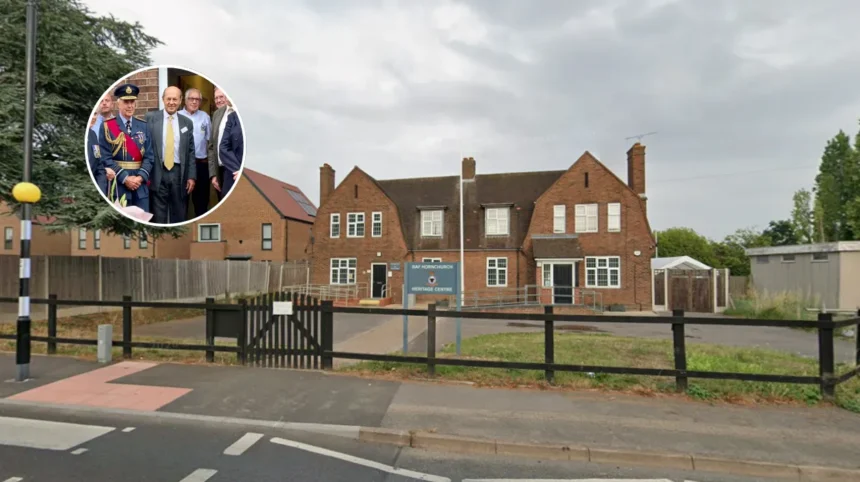
- A new heritage plaque was unveiled at the RAF Hornchurch Heritage Centre, recognising it as one of Havering’s key heritage assets.
- The ceremony was led by the Mayor of Havering, Councillor Sue Ospreay, with attendance from MP Julia Lopez and Hornchurch councillors.
- Tony Philpott, Chairman of the Heritage Centre, expressed pride in keeping the memory of RAF Hornchurch alive.
- Councillor Barry Mugglestone, as Armed Forces champion, emphasised preserving local history for future generations.
- The recognition follows Havering Council’s updated Heritage List published in September 2024, adding 33 new sites.
- The centre, opened in September 2021, is housed in two 1930s cottages formerly part of Suttons Institution, RAF Hornchurch during WWII, and later St George’s Hospital.
- The site preserves the airfield’s history from both world wars and its post-war legacy.
Havering (East London Times) April 17, 2026 – A new heritage plaque was unveiled at the RAF Hornchurch Heritage Centre, marking its official recognition as one of Havering’s important heritage assets during a ceremony led by the Mayor of Havering, Councillor Sue Ospreay.
- Key Points
- What Led to the Unveiling of the New Heritage Plaque at RAF Hornchurch?
- Why Was RAF Hornchurch Heritage Centre Added to Havering’s Heritage List?
- Who Attended the Plaque Unveiling Ceremony?
- What Is the History of RAF Hornchurch and Its Heritage Centre?
- How Does Havering Council’s Heritage List Protect Sites Like RAF Hornchurch?
- What Role Do Volunteers Play in Maintaining the Heritage Centre?
- Background of the Development
- Predictions: How This Development Can Affect Havering Residents
The event brought together local representatives, including MP Julia Lopez and Hornchurch councillors, to celebrate the site’s historical significance. This development follows Havering Council’s publication of its updated Heritage List in September 2024, which added 33 new sites of historical value to protect and promote the borough’s unique past.
What Led to the Unveiling of the New Heritage Plaque at RAF Hornchurch?
The ceremony highlighted the centre’s role in preserving Havering’s wartime legacy. As reported in coverage from local sources, Tony Philpott, Chairman of the Heritage Centre, addressed the gathering.
“In the five years we’ve been here lots of things have moved on and we are very proud to keep the memory alive of RAF Hornchurch. Today marked another significant step when our plaque was unveiled by the Mayor to recognise the RAF Hornchurch Heritage Centre as one of Havering’s important heritage assets. It was an honour to have the Mayor, local MP Julia Lopez and Hornchurch councillors attend,”
Philpott stated.
Councillor Barry Mugglestone, a local councillor and Armed Forces champion, also spoke at the event.
“As a local councillor and Armed Forces champion I welcomed the opportunity to attend this significant occasion for the RAF Hornchurch Heritage Centre. It is very important that we acknowledge our local history of the Hornchurch Airfield and leave a legacy for our children. Thank you to Tony, trustees and volunteers who work so hard to maintain this centre for the community,”
Mugglestone said, according to accounts from the coverage.
The plaque unveiling represents a formal acknowledgment by Havering Council of the centre’s value. This step ensures the site’s history is protected and integrated into the borough’s identity.
Why Was RAF Hornchurch Heritage Centre Added to Havering’s Heritage List?
Havering Council’s updated Heritage List, published in September 2024, identified 33 new sites across the borough deemed to hold significant historical value.
The RAF Hornchurch Heritage Centre was among those added. The list’s purpose is to safeguard these locations, celebrate their contributions to local history, and maintain them as part of Havering’s cultural fabric for future generations.
The centre itself was officially opened in September 2021. It occupies two 1930s cottages that originally formed part of Suttons Institution. During the Second World War, these buildings became integrated into RAF Hornchurch.
Post-war, the site served as part of St George’s Hospital before the Hornchurch Aerodrome Historical Trust took it on.
Today, the centre maintains exhibits and records detailing the airfield’s operations. RAF Hornchurch played a vital role during both the First and Second World Wars, serving as a key fighter station. Its post-war history includes various civilian uses, all preserved through the trust’s efforts.
Who Attended the Plaque Unveiling Ceremony?
The event drew key figures from Havering’s civic and political spheres. Mayor Councillor Sue Ospreay led the proceedings, performing the official unveiling. MP Julia Lopez, representing the area, joined local Hornchurch councillors.
Tony Philpott and the centre’s trustees and volunteers were central to the occasion, receiving thanks for their dedication.
Councillor Mugglestone’s presence underscored the council’s commitment to armed forces heritage. No further details on additional attendees were noted in the reports, but the gathering focused on community appreciation for the site.
What Is the History of RAF Hornchurch and Its Heritage Centre?
RAF Hornchurch, during the Second World War, was a frontline airfield in the defence of London. It hosted squadrons of Spitfires and Hurricanes, contributing to the Battle of Britain and subsequent operations.
The site’s legacy extends to the First World War era, with early aviation activities.
The heritage centre, managed by the Hornchurch Aerodrome Historical Trust, preserves artefacts, photographs, and documents from this period.
The two cottages provide a tangible link to the pre-war, wartime, and post-war phases. After RAF use, the area transitioned to hospital functions at St George’s, before restoration as a heritage site.
Opened in 2021 after five years of development, the centre has steadily grown its offerings. The plaque now physically marks its status, aiding visibility and protection under council policy.
How Does Havering Council’s Heritage List Protect Sites Like RAF Hornchurch?
The September 2024 update to Havering’s Heritage List expands protections for non-designated heritage assets. These sites, while not always statutorily listed, receive local recognition. This status influences planning decisions, encouraging preservation during development.
For the RAF Hornchurch Heritage Centre, inclusion means greater safeguards against alteration or loss. It promotes public awareness and access, aligning with council goals to embed history in community life.
The addition of 33 sites reflects a comprehensive review, identifying locations with stories tied to Havering’s social, military, and architectural past.
What Role Do Volunteers Play in Maintaining the Heritage Centre?
Volunteers, trustees, and Chairman Tony Philpott sustain the centre’s operations. They manage upkeep, curate displays, and host visitors. Councillor Mugglestone specifically thanked
“Tony, trustees and volunteers who work so hard to maintain this centre for the community.”
Their efforts ensure the airfield’s memory endures, bridging wartime history with modern Havering residents.
Background of the Development
The RAF Hornchurch Heritage Centre traces its origins to the Hornchurch Aerodrome Historical Trust’s efforts to reclaim and restore the site. RAF Hornchurch operated from 1915 during the First World War as a training base, evolving into a fighter station by 1940 amid the Battle of Britain. Squadrons such as No. 65, 141, and 256 operated from here, intercepting Luftwaffe raids. Post-1945, the airfield closed, with parts repurposed for housing and the hospital.
Suttons Institution’s cottages, dating to the 1930s, survived these changes. The trust acquired them, opening the centre in September 2021 after renovations. Havering Council’s 2024 Heritage List review, prompted by local nominations and historical assessments, confirmed its value. This built on earlier recognitions, such as memorials at the former airfield site in Suttons Lane.
Predictions: How This Development Can Affect Havering Residents
This plaque and Heritage List inclusion can provide Havering residents with enhanced access to local history through protected status, potentially increasing public events and educational programmes at the centre.
It may influence future planning by prioritising preservation, affecting nearby developments to respect the site. Residents interested in military history or family wartime stories gain a dedicated community resource, fostering intergenerational knowledge. For families and school groups, it offers tangible links to the borough’s past, supporting cultural education without direct policy changes.