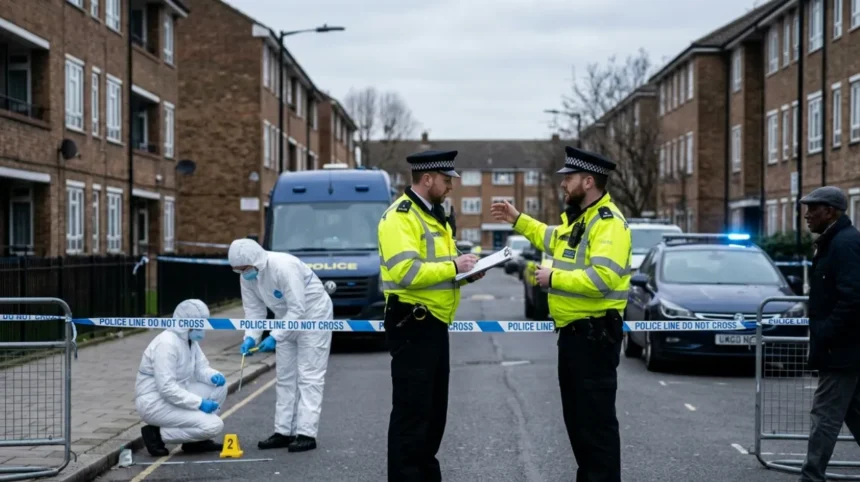
The Metropolitan Police manage shooting investigations in Haggerston, East London, through a structured multi-agency response, focusing on immediate site security, evidence collection, and public safety appeals. These operations involve specialist firearms units, crime scene investigators, and local community outreach teams.
- What is the official police response to a reported shooting in Haggerston?
- How are shooting investigations conducted in East London?
- What happens after a shooting scene is secured by police?
- What is the impact of Haggerston shootings on local community safety?
- How can witnesses assist police investigations in East London?
What is the official police response to a reported shooting in Haggerston?
The official police response to a reported shooting in Haggerston involves the immediate deployment of armed Metropolitan Police units, the establishment of a forensic crime scene cordon, and the initiation of a multi-agency investigation including the London Ambulance Service.
Upon receiving emergency 999 calls, the Metropolitan Police dispatch Specialist Firearms Command (SCO19) officers to the location to secure the area and ensure public safety. Concurrently, the London Ambulance Service and London Fire Brigade attend the scene to provide medical support and site illumination for investigators.
Once the immediate area is secure, Crime Scene Investigators (CSI) are deployed to identify and recover physical evidence, including ballistics, shell casings, and firearm fragments. Detectives from the local Basic Command Unit (BCU) or specialist gang crime units, such as the Trident Area Crime Command, assume control of the investigation. These detectives review local CCTV, doorbell camera footage, and mobile phone recordings to establish a timeline of events. The Metropolitan Police also issue public appeals for witnesses to provide information, often utilizing local media channels and social media to reach the community directly.
How are shooting investigations conducted in East London?
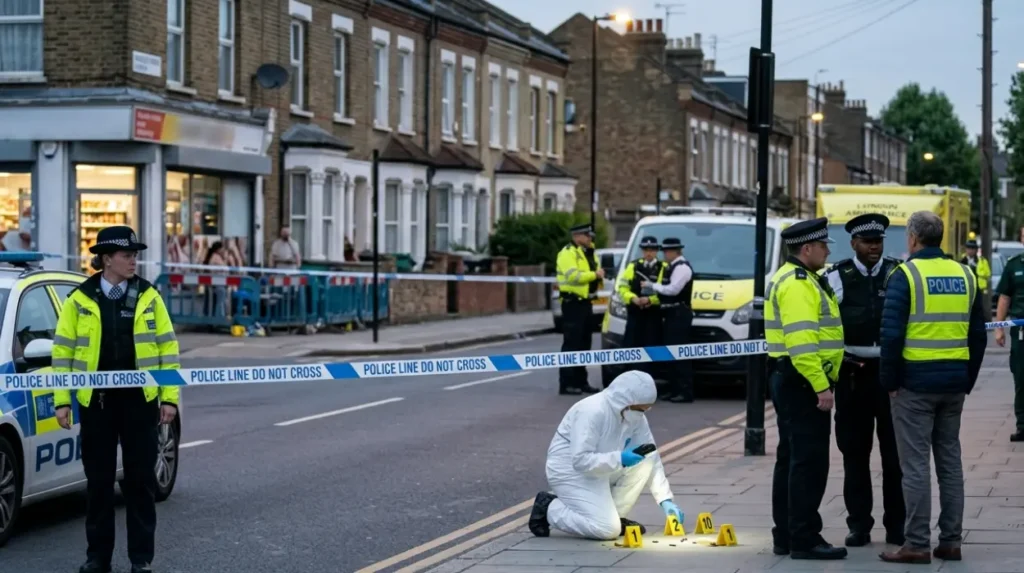
Shooting investigations in East London follow a standardized operational procedure managed by the Metropolitan Police, utilizing advanced forensic techniques, digital surveillance analysis, and intelligence-led tactics to identify suspects and prevent further acts of violence within the community.
The process begins with the preservation of the scene, where police restrict access to prevent the contamination of evidence. Investigators search for ballistic evidence, such as shell casings or projectile impacts, which undergo laboratory analysis to link firearms to specific incidents. Digital forensics play a critical role, as detectives aggregate footage from high-density CCTV networks, private residential doorbell cameras, and dash-cam recordings from vehicles present in the area during the incident.
Beyond physical evidence, the Metropolitan Police employ intelligence-led policing to monitor known local disputes that could serve as motives for violence. They often coordinate with other agencies, including the London Fire Brigade, to assist in scene management or hazardous area containment. Senior officers, such as Detective Chief Superintendents, oversee these investigations to ensure resources are properly allocated and to manage communications with impacted local residents.
What happens after a shooting scene is secured by police?
After a shooting scene is secured, police initiate a formal criminal investigation involving forensic examinations, witness interviews, and broader intelligence gathering to build a case against perpetrators while providing community reassurance patrols to restore public safety in the vicinity.
Forensic specialists document the scene comprehensively, creating a digital and physical map of the incident area. This documentation includes capturing the trajectories of potential gunshots and identifying areas where evidence may have been discarded. Detectives systematically canvas the neighborhood, knocking on doors and speaking with local business owners to collect eyewitness accounts.
Simultaneously, the investigation team reviews intelligence databases to determine if the incident relates to ongoing gang-related, drug-related, or personal disputes. If suspects are identified, law enforcement agencies execute planned arrests, which sometimes involve long-term surveillance operations. Throughout this phase, the Metropolitan Police maintain a heightened patrol presence to address community concerns, provide a visible deterrent to further crime, and encourage residents to share information safely.
What is the impact of Haggerston shootings on local community safety?
Shootings in Haggerston impact local community safety by creating immediate psychological stress for residents, necessitating prolonged police cordons that disrupt daily business operations, and requiring long-term intervention strategies to mitigate the underlying causes of localized violent crime.
The presence of armed police and cordon tape often causes significant disruption to local traffic flow and retail activity, particularly in busy areas like Haggerston Road or Dunloe Street. Residents frequently report heightened anxiety following loud noises or the arrival of emergency services, requiring community outreach from local policing teams to provide clarity and reassurance.
These incidents often trigger multi-layered responses from local government and law enforcement, which include:
- Enhanced community engagement programs to improve trust between residents and police.
- Increased frequency of targeted patrols in identified crime hotspots to deter illegal activities.
- Partnerships with youth services to provide diversionary activities and prevent recruitment into street gangs.
These efforts aim to address the systemic issues contributing to violence, such as local grievances or territorial disputes, which investigators frequently analyze during their inquiries.
How can witnesses assist police investigations in East London?
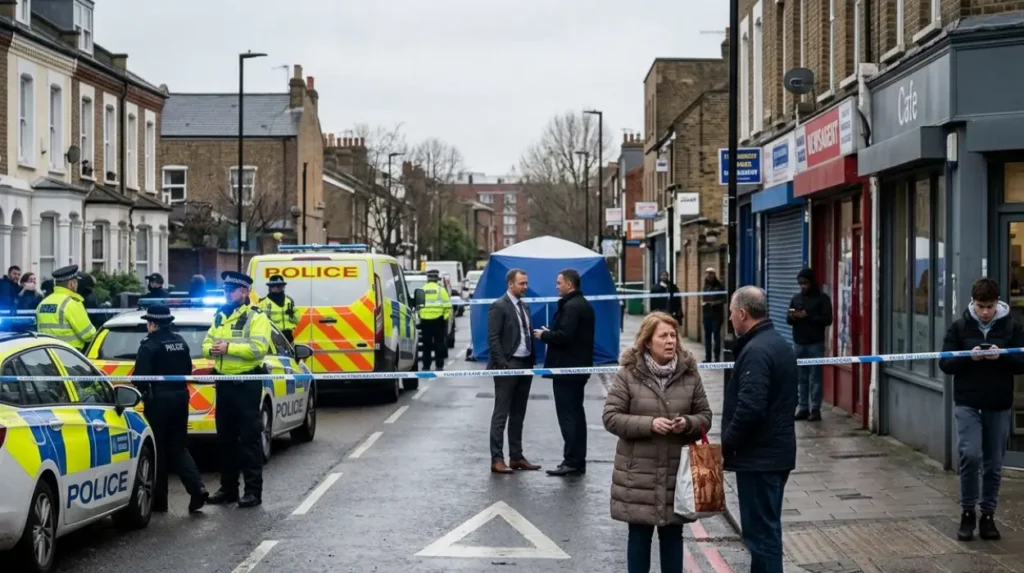
Witnesses assist police investigations by providing critical, time-sensitive information, such as eyewitness descriptions of suspects, high-quality digital surveillance footage, and specific details about events leading up to or following a firearm discharge in a public space.
The Metropolitan Police explicitly request that anyone with relevant material—including mobile phone footage, CCTV, or dash-cam data—comes forward immediately to prevent the loss or deletion of this evidence. Providing detailed descriptions of individuals or vehicles observed near the scene at the time of the incident is vital for detectives building a suspect profile.
If witnesses fear for their safety, the police offer various methods to report information anonymously, such as through independent charities like Crimestoppers or specialized police witness protection services. The accuracy of information provided by the public often accelerates the investigative timeline, enabling police to secure arrest warrants more rapidly and potentially preventing further violent incidents. Clear, factual reporting helps law enforcement distinguish between primary suspects, witnesses, and bystanders, which is essential for successful prosecutions within the UK judicial system.
What is the official police response to a reported shooting in Haggerston?
The official police response to a reported shooting in Haggerston involves the immediate deployment of armed units from the Metropolitan Police, rapid scene containment, and the launch of a multi-agency emergency operation.
When emergency 999 calls are received, the Metropolitan Police dispatches officers from Specialist Firearms Command (SCO19) to secure the area and neutralise any immediate threat. At the same time, the London Ambulance Service and London Fire Brigade attend the scene to provide medical support and assist with safety and lighting.
Once secured, officers establish a forensic cordon, restricting access to preserve evidence. Crime Scene Investigators (CSI) begin detailed examinations, collecting:
Ballistic evidence (shell casings, bullets)
Firearm fragments
Blood and trace materials
Control of the investigation is then handed to detectives from the local Basic Command Unit (BCU) or specialist teams such as Trident Area Crime Command, particularly if gang-related activity is suspected.
Police also issue public appeals for information, using media and social platforms to reach witnesses quickly.