Key Points
- The request is about a Havering police update on violence against women and girls (VAWG), focusing on prevention, reassurance, and local policing activity.
- The source text says VAWG includes domestic abuse, stalking, harassment, sexual offences, spiking, and coercive or controlling behaviour.
- The update says Havering is among the safer boroughs in London, but that many women and girls still experience harm that is unseen, unheard, or unreported.
- It highlights that domestic abuse remains a significant concern and that fear, shame, or not being believed can stop victims from coming forward.
- The message from police is that victims and survivors will be listened to, believed, and acted upon.
- Local policing measures mentioned include targeted patrols in Romford Town Centre and Safer Neighbourhood Teams carrying out VAWG-focused activity in every ward.
- The activity includes Walk, Talk & Do events, reassurance patrols, community meetings, and crime prevention stalls.
- These engagements are designed to let residents raise concerns, identify unsafe areas, and help shape local policing priorities.
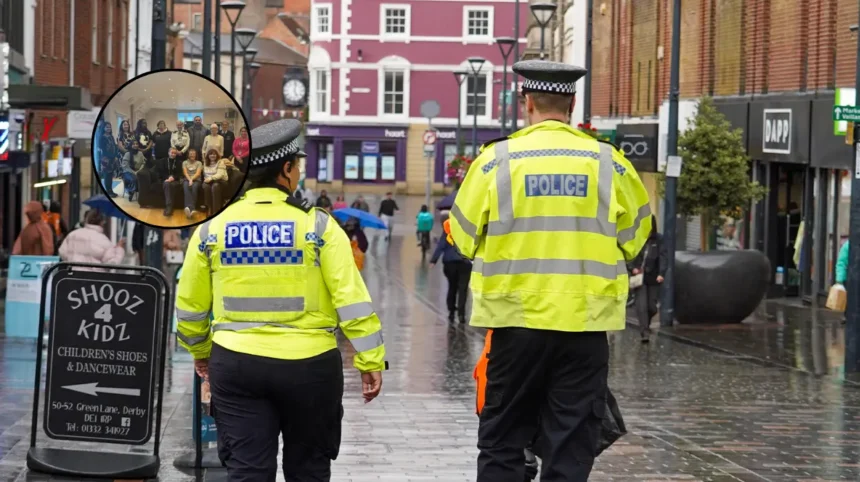
Havering police (East London Times) May 16, 2026 step up fight against violence on women and girls as officers stress prevention, listening, and local engagement across the borough. The update says violence against women and girls remains one of the most serious issues facing communities across London and is treated seriously in Havering. It adds that, although the borough is one of the safest in the capital, many women and girls still experience harm that is unseen, unheard, or unreported.
The statement places emphasis on the scale and variety of harm associated with VAWG. It says the issue includes domestic abuse, stalking, harassment, sexual offences, spiking, and coercive or controlling behaviour. It also notes that these crimes affect not only individuals, but also families, workplaces, and communities.
Why does the police update focus on domestic abuse?
Domestic abuse is identified in the statement as a significant concern in Havering. The update says that in many cases victims are harmed by someone they know, often in private, which is one reason trust and strong community relationships matter. It also acknowledges that fear, shame, or a worry about not being believed can prevent people from reporting abuse.
The police message is direct and victim-focused. As stated in the update, the force says it will
“listen, we will believe you, and we will act.”
That line is central to the wider approach described in the piece, which is built around reassurance and response rather than simply enforcement.
How are officers responding locally?
Local policing is presented as a key part of tackling VAWG in the borough. In Romford Town Centre, where the night-time economy can increase risk, officers are carrying out targeted patrols. Across Havering, Safer Neighbourhood Teams are also delivering VAWG-focused activity in every ward.
The update lists several forms of engagement used by officers. These include Walk, Talk & Do events, reassurance patrols, community meetings, and crime prevention stalls.
The aim is to give residents a chance to raise concerns, point out unsafe areas, and help shape policing priorities in their own neighbourhoods.
What does the community role look like?
The police statement makes clear that community involvement is not treated as a side issue. It says listening to lived experiences is essential to improving safety for all.
That approach suggests officers want residents to share what they see and experience, rather than relying only on formal reports or enforcement data.
The update also links this to practical problem-solving. By engaging with residents in different settings, officers can identify recurring concerns and patterns in local risk. That can help shape patrols, prevention work, and community confidence in reporting incidents.
How should the story be framed?
As reported in the statement, the focus is on a borough-wide effort to address a serious and often hidden problem through visible policing and public engagement.
The language is careful and measured, stressing that Havering remains relatively safe while also recognising that safety is not experienced equally by everyone. The central theme is that VAWG is both a criminal justice issue and a community safety issue.
The update does not suggest a single isolated incident. Instead, it presents a wider policing response intended to reduce harm, encourage reporting, and improve trust. That means the story is best understood as part of an ongoing local prevention strategy rather than a one-off announcement.
Background of this development
Violence against women and girls has remained a major policing and public policy issue across London for several years. The term usually covers a range of offences and abusive behaviours, including domestic abuse, stalking, sexual violence, harassment, spiking, and coercive control.
Police forces and local authorities have increasingly framed the issue as one that requires prevention, education, and stronger trust with communities, not just arrests after offences have occurred.
Local policing in London has also increasingly used neighbourhood patrols, public engagement events, and reassurance work to build confidence and encourage reporting. In boroughs such as Havering, this often means combining town-centre patrols with ward-level activity through Safer Neighbourhood Teams.
The emphasis on listening to victims and survivors reflects a wider shift in policing practice towards trauma-informed responses and stronger partnership work with communities.
Prediction for local residents
For residents in Havering, the most immediate effect is likely to be more visible police presence in busy areas and more community-facing engagement in neighbourhoods. That may improve reassurance for people who feel unsafe in public spaces, especially in and around the night-time economy. It may also encourage some victims or witnesses to come forward if they see more direct messages that abuse will be believed and acted upon.
For women and girls in particular, the practical impact will depend on whether the police activity leads to earlier reporting, faster safeguarding, and better follow-up on concerns raised by the public. If the engagement work is sustained, it could strengthen trust and improve intelligence about problem areas. If the activity is only short-term, the effect may be more limited, because the issues described in the statement are long-running and often hidden.