Key Points
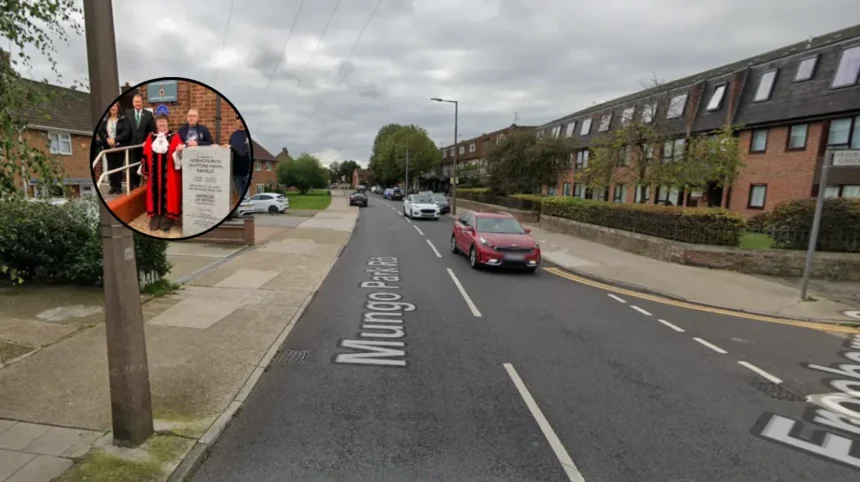
- Dagenham and Rainham MP Margaret Mullane intervened to restore the war memorial dedicated to Wing Commander John Freeborn on Freeborn Gardens, Elm Park, in Havering, East London
- The memorial had become overgrown with vegetation, requiring clearance ahead of Armed Forces Day
- Wing Commander John Freeborn was based at RAF Hornchurch during the Second World War, where the airfield played a vital role in the Battle of Britain during August and September 1940
- Havering Council’s Grounds Maintenance Team is now arranging to tidy the memorial area in readiness for Armed Forces Day, following the MP’s intervention
- Margaret Mullane told the Havering Daily that she is pleased with Havering Council’s quick response and emphasised the importance of properly honouring WWII veterans who defeated Nazism
- The restoration ensures the war memorial is cleared and honoured before the national Armed Forces Day commemoration
Havering (East London Times) June 10, 2026 — Margaret Mullane, the MP for Dagenham and Rainham, has acted swiftly to ensure that the war memorial on Freeborn Gardens in Elm Park, dedicated to Wing Commander John Freeborn, is cleared from overgrown vegetation ahead of Armed Forces Day. As reported by the Havering Daily, the memorial had become significantly overgrown, prompting the MP to intervene directly with Havering Council to call for the area to be cleared and tidied.
- Key Points
- Why did Wing Commander John Freeborn’s memorial at Freeborn Gardens, Elm Park, become overgrown and require restoration?
- How did Margaret Mullane MP contact Havering Council and what was the Council’s response timeline?
- What is the historical significance of Wing Commander John Freeborn and RAF Hornchurch in the Battle of Britain?
- When will Havering Council’s Grounds Maintenance Team complete the clearance of the Elm Park war memorial?
- What statement did Margaret Mullane make about honouring WWII veterans and why is this memorial important?
- Background of the Development: RAF Hornchurch, Wing Commander John Freeborn, and East London’s WWII Heritage
- Prediction: How This Development Can affect East London Residents, Local History Enthusiasts, and Armed Forces Commemorations
- For Elm Park and Havering Residents
- For Local History Enthusiasts and WWII Researchers
- For Armed Forces Day Commemorations
- For Political and Community Engagement
- Long-term Impact on East London’s War Memorial Infrastructure
Following Mullane’s intervention, Havering Council responded quickly, confirming that the Council’s Grounds Maintenance Team is currently arranging for the memorial and surrounding area to be tidied up in readiness for Armed Forces Day. This action ensures that the war memorial will be properly honoured during the national commemoration event.
Why did Wing Commander John Freeborn’s memorial at Freeborn Gardens, Elm Park, become overgrown and require restoration?
The memorial dedicated to Wing Commander John Freeborn had become overgrown with vegetation, likely due to a lack of regular maintenance over time. As reported by the Havering Daily, the site on Freeborn Gardens, Elm Park, was in a state requiring clearance before Armed Forces Day approached.
While no specific cause for the neglect was stated in the original report, the MP’s intervention highlights the importance of proactive community and political oversight to preserve war memorials.
Wing Commander Freeborn was based at RAF Hornchurch during the Second World War. The Hornchurch airfield played a vital part in the Battle of Britain during August and September 1940, making Freeborn’s service historically significant to East London’s wartime defence.
How did Margaret Mullane MP contact Havering Council and what was the Council’s response timeline?
As reported by the Havering Daily, Margaret Mullane intervened directly with Havering Council, calling for the memorial and the area to be cleared and tidied. The Council responded quickly, stating that the Grounds Maintenance Team is currently arranging for the area to be tidied up in readiness for Armed Forces Day.
Mullane told the Havering Daily:
“I am pleased that Havering have quickly got back to me to clear the memorial. It is so important that we properly honour the memory of the brave men and women who fought to defeat Nazism in the Second World War to give us the freedom and democracy we have in Britain today”.
The rapid response from Havering Council demonstrates the effectiveness of direct political intervention in local heritage maintenance issues.
What is the historical significance of Wing Commander John Freeborn and RAF Hornchurch in the Battle of Britain?
Wing Commander John Freeborn was based at RAF Hornchurch during the Second World War. As reported by the Havering Daily, the Hornchurch airfield played a vital part in the Battle of Britain during August and September 1940.
The Battle of Britain was a critical air campaign where the Royal Air Force defended the United Kingdom against German Luftwaffe attacks. RAF Hornchurch, located in East London, was one of the key fighter stations involved in this defence. Wing Commander Freeborn’s service at this airfield places him among the pilots who directly contributed to preventing a potential German invasion of Britain.
The memorial at Freeborn Gardens serves as a local tribute to Freeborn’s contribution and the broader role of East London’s airfields in WWII defence.
When will Havering Council’s Grounds Maintenance Team complete the clearance of the Elm Park war memorial?
As reported by the Havering Daily, Havering Council’s Grounds Maintenance Team is currently arranging for the memorial area to be tidied up in readiness for Armed Forces Day. While no specific completion date was provided in the original report, the work is scheduled to be completed before the national Armed Forces Day commemoration.
Armed Forces Day is an annual national event in the UK that honour’s the contribution of the British Armed Forces. The timing of the memorial clearance ensures that Wing Commander Freeborn’s tribute will be visible and properly maintained during this significant commemoration.
What statement did Margaret Mullane make about honouring WWII veterans and why is this memorial important?
As reported by the Havering Daily, Margaret Mullane told the media:
“I am pleased that Havering have quickly got back to me to clear the memorial. It is so important that we properly honour the memory of the brave men and women who fought to defeat Nazism in the Second World War to give us the freedom and democracy we have in Britain today”.
This statement underscores the MP’s view that preserving war memorials is essential for honouring those who fought for Britain’s freedom.
The memorial to Wing Commander Freeborn represents not only individual service but also the broader contribution of East London’s RAF personnel to the Battle of Britain.
Background of the Development: RAF Hornchurch, Wing Commander John Freeborn, and East London’s WWII Heritage
The war memorial at Freeborn Gardens, Elm Park, is dedicated to Wing Commander John Freeborn, who was based at RAF Hornchurch during the Second World War. As reported by the Havering Daily, RAF Hornchurch played a vital part in the Battle of Britain during August and September 1940.
RAF Hornchurch was a key Royal Air Force fighter station located in East London, near the boundary of Havering and Barking and Dagenham.
During the Battle of Britain, the airfield hosted fighter squadrons that intercepted German Luftwaffe raids attempting to destroy Britain’s air defence system. The station’s strategic location allowed pilots to respond quickly to threats over the Thames Estuary and southeast England.
Wing Commander Freeborn’s service at Hornchurch places him among the pilots who directly defended Britain during this critical period.
The memorial serves as a local tribute to his contribution and the broader role of East London’s airfields in WWII defence.
The memorial’s location on Freeborn Gardens in Elm Park reflects the community’s commitment to preserving local wartime heritage. Elm Park is a residential area within Havering, and the garden’s naming suggests a direct connection to Freeborn’s legacy.
The overgrowth of the memorial highlights the ongoing challenge of maintaining war memorials in urban environments.
Without regular maintenance, vegetation can obscure plaques and statues, diminishing their visibility and impact. Margaret Mullane’s intervention demonstrates the importance of political oversight in preserving these historical sites.
The restoration effort ahead of Armed Forces Day ensures that the memorial will be properly honoured during the national commemoration. Armed Forces Day is an annual event that recognises the contribution of the British Armed Forces, including veterans from WWII.
Prediction: How This Development Can affect East London Residents, Local History Enthusiasts, and Armed Forces Commemorations
The restoration of Wing Commander Freeborn’s memorial will have several positive effects on the local community and broader commemoration efforts in East London.
For Elm Park and Havering Residents
The tidying of the memorial will improve the appearance of Freeborn Gardens, making it a more dignified space for local residents.
As reported by the Havering Daily, the Grounds Maintenance Team is arranging for the area to be cleared. This will enhance the public space and provide a cleaner, more respectful environment for passersby.
Residents who live near the memorial will benefit from improved maintenance of their local heritage site. The clearance of vegetation will make the memorial more visible and accessible, encouraging local engagement with wartime history.
For Local History Enthusiasts and WWII Researchers
The restoration ensures that the memorial remains a viable resource for local history enthusiasts and researchers studying East London’s WWII heritage. Wing Commander Freeborn’s service at RAF Hornchurch is part of the broader story of the Battle of Britain, which remains a significant topic for historical research.
The clear memorial will allow historians and students to better read inscriptions and understand Freeborn’s contribution. This supports educational efforts about local wartime history and the role of East London airfields.
For Armed Forces Day Commemorations
The timing of the restoration ahead of Armed Forces Day ensures that the memorial will be properly honoured during the national commemoration. As reported by the Havering Daily, the work is being completed
Armed Forces Day attracts national attention and often includes local ceremonies. The restored memorial will allow Elm Park residents and Havering Council to participate meaningfully in these events, honouring Freeborn’s legacy alongside other veterans.
For Political and Community Engagement
Margaret Mullane’s intervention demonstrates how political oversight can effectively address local heritage maintenance issues.
Her statement to the Havering Daily emphasised the importance of honouring WWII veterans. This approach may encourage other MPs and local councillors to take similar action on neglected memorials across East London.
The successful restoration may also strengthen community engagement with heritage preservation. Residents may become more proactive in monitoring and reporting issues with local memorials, ensuring long-term maintenance.
Long-term Impact on East London’s War Memorial Infrastructure
This development highlights the need for regular maintenance of war memorials across Havering and East London. The overgrowth of Freeborn Gardens suggests that other memorials may face similar neglect.
If local authorities adopt a more proactive approach to memorial maintenance, following the model of Mullane’s intervention, East London could see improved preservation of its WWII heritage sites. This would benefit residents, historians, and commemoration organisers alike.
The restoration also reinforces the connection between local communities and national commemoration events. By ensuring the memorial is ready for Armed Forces Day, Havering Council and MP Mullane are strengthening Elm Park’s role in the broader narrative of British military honour.