Visitors choose Havering because it delivers a rare combination in London: expansive countryside-style parks, well-preserved royal and Georgian heritage, and accessible leisure infrastructure that supports relaxed day trips and flexible itineraries. The London Borough of Havering covers 43.35 square miles (112.27 km²), with around 23 square miles (60 km²) designated Metropolitan Green Belt, giving it the most rural character of any London borough.
- What makes Havering attractive to tourists and leisure travellers?
- Which green spaces define Havering’s visitor experience?
- How does Havering Country Park support nature walks and heritage interest?
- Why is Bedfords Park the best choice for wildlife watching?
- What activities does Hornchurch Country Park offer?
- What makes Raphael Park good for a central outing?
- Where can visitors find Havering’s heritage buildings and historic sites?
- What is special about Upminster Windmill?
- Why should visitors visit Rainham Hall?
- What does Havering Museum cover?
- What can visitors do in Romford, Hornchurch, and Upminster?
- Where should families spend time in Havering?
- What are the best free things to do in Havering?
- Where can visitors eat and rest between attractions?
- How should visitors plan one day in Havering?
- Why does Havering matter for East London travel?
What makes Havering attractive to tourists and leisure travellers?
Havering attracts tourists and leisure travellers through large, accessible green spaces, distinctive heritage sites, and town-centre amenities that enable easy day itineraries. Over half the borough is protected parkland or Green Belt, creating open landscapes unusual for London. The borough hosts more than 100 parks and open spaces, three major country parks, and the largest freshwater marshland in Greater London at Ingrebourne Marshes.
This landscape structure supports multiple visitor types. Tourists gain countryside scenery within Greater London. Residents access nearby recreation without long travel. Digital nomads and business travellers find quiet parks and café hubs for downtime between meetings. Transport links reinforce this appeal. The District Line serves Hornchurch and Upminster. Multiple bus routes connect parks and heritage sites. Central London remains around 30 minutes away by rail, while Stansted, Gatwick, and London City airports sit within roughly one hour.
Havering’s tourism value lies in variety rather than a single flagship attraction. Parks, windmill, museum, and National Trust hall form a coherent visitor circuit. This spread reduces crowding and allows flexible planning. The borough’s identity as “gateway to Europe” reflects its position on London’s eastern edge, bordering Essex countryside and the River Thames.
Which green spaces define Havering’s visitor experience?
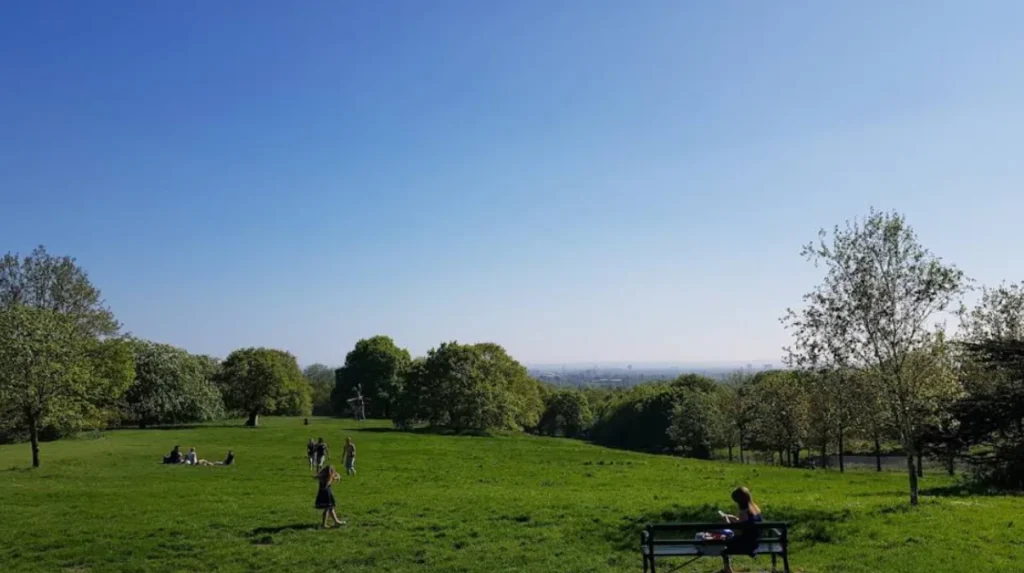
Havering’s green spaces are defined by three country parks, numerous local parks, and protected wetlands that together form the borough’s primary outdoor attraction. Hornchurch Country Park, Bedfords Park, and Belhus Woods Country Park lead this network. These sites offer walking, wildlife watching, playgrounds, heritage interpretation, and café facilities.
The scale matters. Havering Country Park covers 165 acres. Bedfords Park spans 215 acres. Hornchurch Country Park occupies 97 hectares (around 240 acres). Belhus Woods exceeds 300 acres across the London–Essex border. This acreage provides room for diverse activities without congestion. Many parks hold Green Flag status, signalling high maintenance and visitor standards.
Green spaces also deliver ecological value that enhances visitor experience. Ingrebourne Valley contains river, marsh, reed bed, woodland, and grassland habitats. Bedfords Park hosts London’s only captive red deer herd plus wild fallow, roe, and muntjac deer. Raphael Park supports water birds on its lake and maintains ancient Pedunculate Oaks recorded by the Woodland Trust. These features support birdwatching, photography, and nature education.
How does Havering Country Park support nature walks and heritage interest?
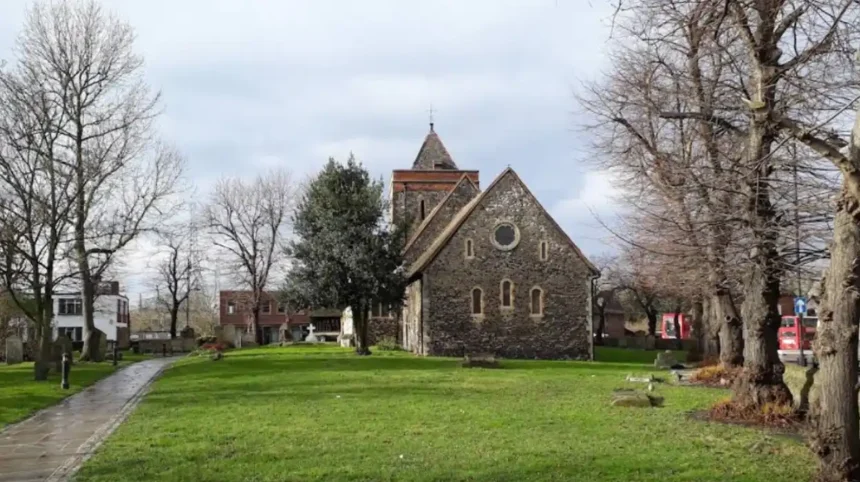
Havering Country Park supports nature walks and heritage interest through 165 acres of open grassland, dense woodland, bridleways, and a historic avenue of 100 Wellingtonia trees linked to the former Royal Palace of Havering. The park borders Havering-atte-Bower and connects to surrounding countryside, offering a rural feel within Greater London. It won Gold Award in ‘Large Conservation Area’ and overall London in Bloom 2019.
Royal history anchors the site. William the Conqueror retained the manor of Havering in 1066. Henry II visited at least 20 times between 1222 and 1272. Edward III visited more often than any other monarch. Richard II came after suppressing the 1381 Peasants’ Revolt. Elizabeth I stayed frequently, and Charles I was the last monarch to rest there in 1338 before the palace fell into disuse during the Civil War.
Later landscape history adds depth. The McIntosh family bought the manor in 1828, built an Italianate house, and planted Wellingtonia trees following the 1850 Californian Gold Rush. Havering Park still holds the second largest plantation of Wellingtonia in England. The mansion was demolished in 1925, but the trees remain. The Greater London Council created the public park in 1976 following the Abercrombie Report, and Havering Council acquired it in 1986.
As you explore the modern site, you are crossing land with a deep heritage. Read about the full [history of Havering Palace and the royal manor at Havering-atte-Bower] to understand its origins from Saxon times through Henry VIII’s reign.
Roman remains exist in the park, including coin caches suggesting a villa and cremation sites implying early industry. Clockhouse Lane may follow a Roman road route. Pedestrian access operates from Clockhouse Lane RM5 2RR, Wellingtonia Avenue RM4 1QP, and Pinewood Road, with bus routes 375 and 294 serving the area.
Why is Bedfords Park the best choice for wildlife watching?
Bedfords Park is the best choice for wildlife watching because it combines 215 acres of historic parkland with an Essex Wildlife Trust nature reserve, visitor centre, and diverse habitats including woodland, meadows, ponds, streams, lake, and marsh. The reserve holds Site of Metropolitan Importance for Nature Conservation status and offers structured wildlife access within Havering.
The deer herd is the standout feature. Bedfords Park contains London’s only captive red deer herd in a securely fenced pen where visitors can feed deer under supervision. Wild fallow, roe, and muntjac deer roam freely across the park. This combination creates reliable wildlife viewing uncommon in London boroughs. Winter brings large corvid roosts with hundreds of rooks, crows, and jackdaws gathering near the deer pen.
Birdlife adds further value. All three woodpecker species occur here: great spotted, green, and grey. Nuthatch and hobby also appear. Invertebrate diversity includes numerous butterfly, dragonfly, and damselfly species supported by wildflower meadows and pond networks. Exotic trees from the original mansion gardens survive, including Cedar of Lebanon, Holm Oak, Monkey-puzzle, Giant Redwood, and Yew.
A two-acre 18th-century walled garden survives from the original estate, now managed as a community garden growing fruit and vegetables. The park’s location at Broxhill Road, Havering-atte-Bower RM4 1QH, with visitor centre contact 01708 748646, enables practical day visits. Winter hours run 7am–4:30pm; summer hours extend to 8pm.
What activities does Hornchurch Country Park offer?
Hornchurch Country Park offers walking, running, cycling, dog walking, play, family visits, and heritage interpretation across 97 hectares of former airfield land integrated into the 261-hectare Ingrebourne Valley. The park sits south of Hornchurch and is owned and managed by Havering Council, with Woodland Trust managing 50.29 hectares within the site.
Heritage interpretation distinguishes the park. Information boards explain the area’s wartime role as Hornchurch Airfield, which closed in 1962. Many airfield features remain visible along the Eastern Pathway. The children’s playground includes a model Spitfire alongside traditional equipment, reinforcing the aviation theme. The site was re-landscaped as a country park in 1980.
Facilities support extended visits. Essex Wildlife Trust built a visitor centre serving as education facility, café, and shop with outdoor seating overlooking open countryside. A decent-sized free car park with hard surface aids access. The park attracts visitors for kite flying, football, picnicking, playground activities, and photography. Located at Squadrons Approach, Hornchurch RM12 6DF, it sits 15 minutes’ walk from Hornchurch tube station on the District Line.
Ingrebourne Valley’s habitat diversity enhances the experience. The valley comprises interconnecting habitats including river, open water, marsh, grassland, reed bed, ancient and secondary woodland, scrub, and hedgerow. This mosaic supports diverse wildlife and provides scenic walking routes. Bus routes 165, 365, 252, and 256 serve the park, supporting car-free visits.
What makes Raphael Park good for a central outing?
Raphael Park works well for a central outing because it combines 17.8 hectares of town-centre parkland in Romford with a lake, bandstand, sports pitches, tennis courts, theatre garden, and children’s play area remodeled in 2009. Opened as Havering’s first public park on 2 June 1904 by Sir Herbert Raphael MP, it forms part of the historic Gidea Hall Estate.
The lake provides focal interest. Black’s Canal, dammed where the park meets Main Road, reaches 12–20 ft depth and supports angling. Water birds gather regularly. A statue of Percy the Park Keeper, created by author Nick Butterworth, stands in the park, inspired by a real keeper who worked here. Two ancient Pedunculate Oaks recorded by the Woodland Trust add botanical value.
Recent investment improved facilities. A Heritage Lottery Fund and Veolia North Thames Trust restoration completed in 2014 ahead of the park’s 110th anniversary, with £1.87 million invested. The park lodge adapted for reuse as a base for the park manager, with a new community and education resource and café built as part of an extension. A restored bandstand and redeveloped theatre garden host art, music, and theatre events through Romford Summer Theatre.
Raphael Park pairs easily with nearby coffee stops or Romford shopping. Free public access operates across most of the site within walking distance of Romford town centre. This centrality makes it practical for short visits, lunch breaks, and mixed itineraries combining outdoor time with urban amenities.
Where can visitors find Havering’s heritage buildings and historic sites?
Visitors find Havering’s heritage buildings and historic sites concentrated in Upminster, Rainham, Romford, and Hornchurch, where windmill, National Trust hall, museum, and listed structures form the core trail. Upminster Windmill, Rainham Hall, Havering Museum, Upminster Tithe Barn, and The Rom skatepark lead this group. These sites illustrate settlement history from Saxon palace origins to 20th-century suburban development.
The heritage mix supports varied interests. Upminster Windmill offers industrial history and guided tours. Rainham Hall provides Georgian country-house experience with National Trust management. Havering Museum delivers borough-wide historical context through artefacts and displays. Upminster Tithe Barn houses around 14,500 domestic and agricultural items. The Rom stands as one of the few Grade II listed skateparks in the UK, recognising youth culture heritage.
Additional listed buildings enrich the landscape. Langtons and Fairkytes in Hornchurch function as historic houses with arts and community use. Romford Garden Suburb at Gidea Park displays early 20th-century domestic architecture from a competition that attracted leading architects. Concrete barges made in 1940 at Coldharbour Point, Rainham, now serve as flood defences and bird habitats, adding industrial heritage value.
What is special about Upminster Windmill?
Upminster Windmill is special because it is one of only six surviving smock mills with sails in Greater London and one of the most complete examples in the country, built in 1803 by James Nokes and preserved with machinery intact. The Grade II* listed octagonal smock mill stands on a brick base with four pairs of millstones, timber framing, and white weatherboarding. It remains the only survivor from many mills that once served the area.
Operational history adds authenticity. The mill functioned as a family-owned business grinding corn until the 1930s, working until 1927. Essex County Council owned it from 1940, and Havering took it over in 1964, opening it to the public in 1968. Sails were restored in 1970. A full restoration project started in 2016, now including a new visitor centre explaining mill history and operation.
Visitor access is structured. Open days for 2025 include 12–13 April, 10–11 May, 14–15 June, 12–13 July, 9–10 August, 13–14 September, and 11–12 October, from 10:00–16:00. Advance booking is essential. The mill opens about 30 days per year for guided tours. Located at Mill Field, 89 St Mary’s Lane, Upminster RM14 2QL, it sits in maintained grass with surrounding buildings set back on three sides. Refreshments are available on open days.
Why should visitors visit Rainham Hall?
Visitors should visit Rainham Hall because it is a rare, well-preserved Queen Anne style Georgian house built in 1729 for sea merchant Captain John Harle, now managed by the National Trust with original features, gardens, and café. The Grade II* listed hall stands next to St Helen and St Giles church in Rainham town centre, representing the Georgian country-house landscape in east London.
Architectural details distinguish the property. Trompe-l’œil frescos decorate walls. Delft tiles line fireplaces. Wrought-iron railings along the front display intertwined initials of Harle and his wife Mary, described as amongst the finest in London from that period, possibly created by Jean Tijou, who produced ironwork for Hampton Court Palace. The stable/coach house and lodge also hold Grade II* listed status from January 1955.
Garden features enhance the visit. The two-acre garden includes a recently replanted 30-tree orchard, one of the largest in London. Early 18th-century stone garden urns remain in place. A major conservation and interpretation project completed in 2015, enabling full public access to hall and garden. The Stables Café and gardens operate daily 10am–5pm with free admission, while hall tours run Thursday to Saturday at set times.
Admission structure supports accessibility. Adult entry costs £5, children aged 5–16 pay £2.50, and National Trust members plus under-fives enter free. Located at The Broadway, Rainham RM13 9YN, the hall provides a structured heritage visit with café facilities, suitable for families, couples, and solo travellers seeking cultural depth.
Explore More Area Guide
Havering Attractions Guide for Tourists Interested in History, Parks, and Nature
Best Weekend Activities in Havering for Culture and Relaxation
What does Havering Museum cover?
Havering Museum covers the history of the London Borough of Havering, including Romford, Upminster, Hornchurch, Harold Hill, and Rainham, through around 14,500 artefacts of domestic and agricultural use displayed in the old Ind Coope Brewery building. The independent local history museum opened in May 2010 on part of the former Romford Brewery site at Brewery Gate, 19–21 High Street, Romford RM1 1JU.
Exhibitions define local identity. Displays use objects, text, and images to explain what makes Havering distinct, celebrating achievements of local people past and present. The museum provides context before visiting outdoor heritage sites, helping visitors understand borough-wide development patterns. It keeps trips varied and gives older children a simple introduction to local history, balancing active outdoor time with quieter educational stops.
Opening hours focus on midweek and weekend access. The museum operates noon–5pm Wednesday to Friday and 11am–5pm Saturday, with last admission at 4pm. It remains closed Monday, Tuesday, and Sunday, opening only on Saturdays when events occur with varying times. Contact details are +44 1708 766571 and [email protected]. For first-time visitors, the museum offers orientation before exploring parks and heritage buildings.
What can visitors do in Romford, Hornchurch, and Upminster?
Visitors can use Romford, Hornchurch, and Upminster as town-centre hubs for shopping, dining, heritage stops, and transport links, enabling efficient day itineraries that combine parks and attractions without excessive travel. Romford offers the broadest mix of retail, food, and transport access, making it suitable for travellers organising full days. It connects naturally to Havering Museum and Town Hall heritage areas.
Hornchurch supports local high-street atmosphere with lunch, coffee, and stops near heritage buildings such as Langtons and Fairkytes, both listed by the council as historic places. Queen’s Theatre Hornchurch adds cultural weight as a 500-seat producing theatre opened in 1953, winning UK Theatre Award for most welcoming theatre three consecutive years (2016–2018). The venue sits 15 minutes’ walk from Hornchurch tube station, with Council car park opposite.
Upminster suits slower-paced visits, linking historic attractions including Upminster Windmill, The Clockhouse, Tithe Barn, and church sites. District Line access supports car-free travel. These town centres allow visitors to move between nature and urban convenience in the same day, especially useful for domestic business travellers needing flexible, time-efficient plans. Free car parks exist at Hornchurch Country Park and most country parks, aiding drivers.
Where should families spend time in Havering?
Families should spend time in Havering’s parks, wildlife centres, and low-cost local attractions, prioritising Bedfords Park, Hornchurch Country Park, Havering Museum, and public green spaces that combine open space with visitor facilities. These locations give children room to move while adults get structured, easy visits without long transfers. Family travel works best when built around outdoor space, with birdwatching, walking, cycling, picnics, and wildlife spotting as major borough activities.
Bedfords Park is especially strong for families combining large parkland with a visitor centre, giving parents a clear anchor point while children explore. Hornchurch Country Park offers a similarly broad setting for walking and informal play, with playground, model Spitfire, and café. Havering Museum adds a useful indoor option for mixed-weather days. A practical family visit follows a simple pattern: park first, lunch second, heritage or museum stop third.
Raphael Park supports family time through play area, lake, bandstand events, and theatre garden activities. Havering Country Park provides bridleways and open space for older children. Central Park in Harold Hill spans 42 acres with open grassland, woodlands, skatepark, and BMX pump track, adding active options. Seasonal events such as Hornchurch Christmas Cracker and Apple Day at Bedfords Park create additional family-friendly draws.
What are the best free things to do in Havering?
The best free things to do in Havering are walking in parks, exploring heritage exteriors, browsing historic streets, and enjoying nature reserves, with most parks and many heritage sites offering free public access. These options make the borough attractive for budget travellers, local residents, and visitors wanting value without sacrificing variety. Free outdoor activity is one of Havering’s biggest strengths, with parks and countryside spaces highlighted as key visitor assets.
Parks provide core free value. Raphael Park, Bedfords Park, Hornchurch Country Park, Havering Country Park, and Belhus Woods all offer free entry and car parking in many cases. Ingrebourne Valley routes support walking and cycling without charge. Thames Chase Community Forest trails add further free access across wooded landscapes. This network enables full days out with minimal cost beyond food and transport.
Heritage landscapes offer additional free value. Historic buildings, churches, and older street settings around Rainham, Upminster, Hornchurch, and Havering-atte-Bower provide worthwhile heritage visits even when interiors charge or require booked tours. For budget-conscious travellers, this lowers overall day costs in East London, with food and transport as main expenses while activities remain free. Free activities also work well for digital nomads seeking productive routines around remote work.
Where can visitors eat and rest between attractions?
Visitors can eat and rest in Romford, Hornchurch, and Upminster, where the borough’s dining and café choices are most practical, offering lunch stops, quick meals, and relaxed breaks between parks and heritage visits. Havering’s food scene is local and functional rather than destination-only dining, supporting flexible schedules. Town-centre dining matters because Havering’s attractions are spread across the borough, requiring convenient reset points for visitors moving between parks and heritage buildings.
Romford gives the widest range of choices, while Hornchurch and Upminster offer smaller, calmer places to stop. Stables Café at Rainham Hall provides heritage-linked dining with garden access. Essex Wildlife Trust visitor centre cafés at Bedfords Park and Hornchurch Country Park offer countryside views and family-friendly menus. These stops support work-friendly travel, allowing remote workers to combine morning sightseeing with lunch meetings or laptop sessions.
For visitors planning a full day, use parks in the morning, eat in a town centre at midday, then finish with a museum or heritage site. This rhythm keeps the day efficient and avoids unnecessary backtracking. Café stops support work-friendly travel, allowing remote workers to combine morning sightseeing with lunch meetings or laptop sessions. Town-centre amenities also provide toilets, Wi‑Fi, and shelter during inclement weather.
How should visitors plan one day in Havering?
Visitors should plan one day in Havering by combining one major park, one heritage site, and one town-centre meal stop, creating a balanced itinerary that captures the borough’s best features efficiently without rushing. A strong one-day Havering itinerary combines one major park, one heritage site, and one town-centre meal stop. This structure captures the borough’s best features efficiently and gives visitors a complete East London experience without rushing.
A practical route starts morning at Bedfords Park or Hornchurch Country Park where outdoor settings are strongest, giving best light for walking and photography. Lunch should happen in Romford, Hornchurch, or Upminster depending on the chosen route, as these centres sit close to main attractions and reduce travel time. The afternoon focuses on heritage: Havering Museum for context, or Upminster Windmill or Rainham Hall for distinctive local character.
Transport choices shape the day. District Line users can base themselves in Hornchurch or Upminster and use buses to reach parks. Drivers can use free car parks at Hornchurch Country Park and other country parks. For longer stays, split the borough into themed halves: one day for parks and wildlife, another for history and town centres. This approach gives better coverage without forcing too much into one trip.
Why does Havering matter for East London travel?
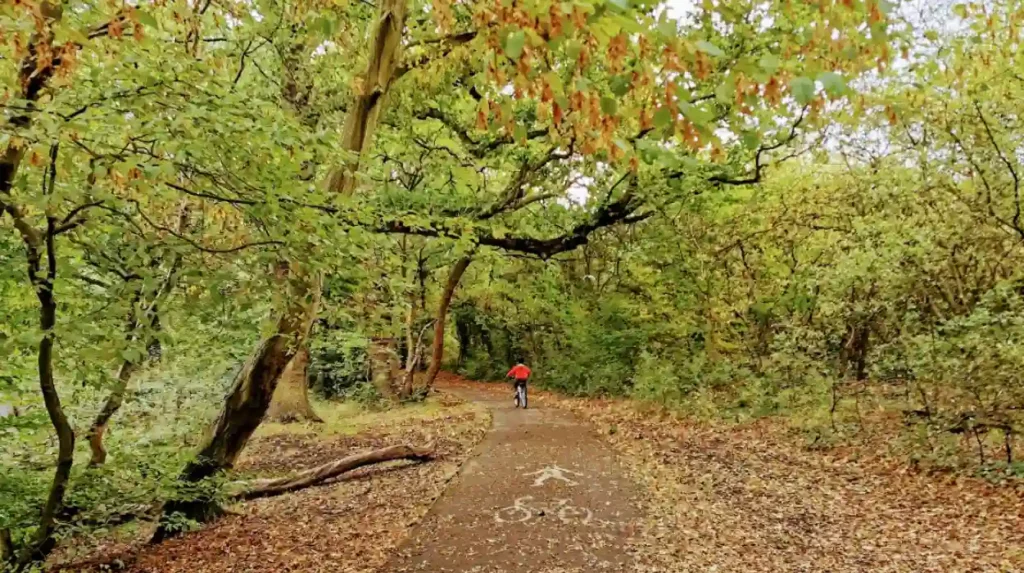
Havering matters for East London travel because it broadens the region beyond dense urban streets and major commercial districts, adding countryside-style parks, local heritage, and quieter town centres that diversify visitor options. East London is often discussed through major shopping, sport, and cultural districts, but Havering adds a layer where open space and old settlements remain visible and easy to access. That wider appeal helps tourism because not every visitor wants the same day out.
Some want parks and wildlife, others heritage buildings, others calm lunch stops between meetings. Havering supports all three. The borough has long-term relevance because green space and local heritage continue to matter to urban visitors, making the topic evergreen rather than trend-driven. Its position as gateway to Europe, with three‑mile Thames frontage and border to Essex countryside, reinforces strategic value for regional travel planning.
This positioning makes Havering a practical extension for visitors already in East London. Tourists staying near Stratford, Ilford, or Dagenham can reach Havering within 20–30 minutes by rail or bus. Business travellers based in the City or Canary Wharf gain accessible downtime without leaving Greater London. The borough’s mix of parks, heritage, and town-centre amenities ensures it remains a stable, high-value component of East London travel itineraries.
Why should tourists visit Havering?
Havering offers a unique mix of countryside-style parks, historic landmarks, wildlife, museums, and town centres, making it one of London’s best destinations for relaxed day trips, heritage exploration, and outdoor activities.