Key Points
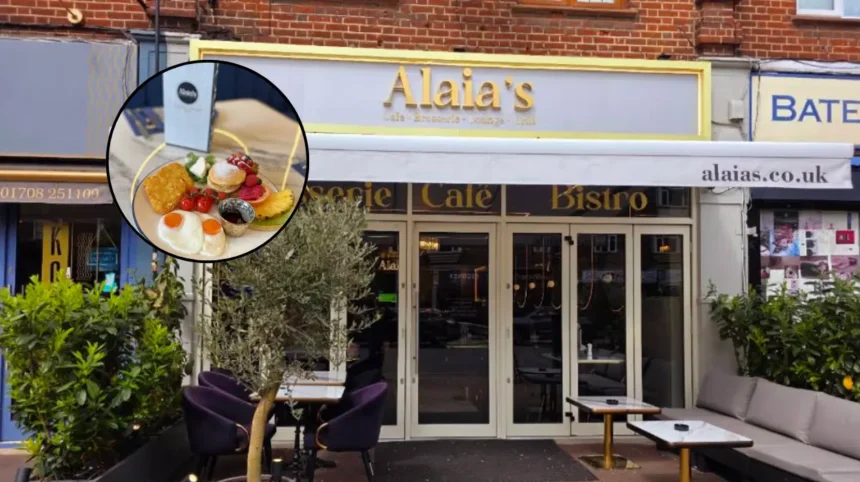
- Notice for enforcement served ordering the dismantling of a canopy and structure erected at the Alaias restaurant along Corbets Tey Road, Upminster.
- The local authority finds that the development is not appropriate and will harm the look and the open streetscape of the area.
- Concerns are raised about safety due to the structure blocking pedestrians from using their pathways and disturbing the street furniture.
- Action for enforcement starts on September 25, 2026, if no appeal is made to the Planning Inspectorate before that day.
- Total compliance must be met in two months from the effective date which will make November 25, 2026, the final enforcement date.
Upminster (West London Times) September 1, 2026 – Local planning authorities have formally issued an enforcement notice demanding the full demolition of an extension and canopy structure erected at Alaias restaurant, located on Corbets Tey Road in Upminster. Municipal officials confirmed that the structures were built without securing the necessary planning permissions, prompting decisive regulatory action. According to official municipal documentation, the unauthorized additions violate local development standards and create significant physical obstructions along the public footway. The enforcement directive mandates that the business operators clear the site completely by late November unless a legal challenge is registered with central planning inspectors.
- Key Points
- Why Has the Council Ordered Demolition at Alaias on Corbets Tey Road?
- How Does the Structure Endanger Public Safety and Pedestrian Flow?
- What Are the Key Legal Deadlines for the Upminster Enforcement Notice?
- Background of the Development Standard Enforcement
- Prediction: How Will This Development Affect Local Businesses and Residents?
Why Has the Council Ordered Demolition at Alaias on Corbets Tey Road?
The decision to issue a formal enforcement order follows a comprehensive assessment by local planning officers regarding the impact of the newly added dining structure. Municipal regulators determined that the unauthorized extension and canopy alter the established architectural flow of Corbets Tey Road.
Official statements from the municipal planning authority outline that the unauthorized build is inappropriate for the location and exerts a detrimental impact on the visual open character of the streetscene. The council highlighted that commercial alterations of this nature require rigorous pre-approval to ensure that street aesthetics and conservation principles are strictly maintained across the town centre.
How Does the Structure Endanger Public Safety and Pedestrian Flow?
Beyond aesthetic and visual concerns, municipal officials centered their enforcement action on direct hazards to public safety and pedestrian traffic flow. The physical footprint of the enclosed seating space alters the spatial layout of the pavement, creating an awkward bottleneck for daily foot traffic.
The council confirmed that the development, by virtue of its design and layout—specifically the structural depth of the enclosed seating area and its proximity to existing street furniture—actively obstructs the highway. Planning authorities noted that this configuration hinders safe and convenient movement for pedestrians, posing a clear detriment to overall highway safety along Corbets Tey Road.
What Are the Key Legal Deadlines for the Upminster Enforcement Notice?
The statutory process outlines strict chronological boundaries for compliance and appeal regarding the contested canopy structure. Local authorities have established a formal legal timeline to allow the site operators an opportunity to respond through official legal channels.
The enforcement notice is scheduled to formally take effect on September 25, 2026. The property owners and restaurant operators retain the right to submit an appeal to the Planning Inspectorate before this official start date. Should an appeal be successfully lodged prior to September 25, the enforcement proceedings will be paused pending a formal review by an independent inspector.
If no legal appeal is submitted before the deadline, the terms of the notice become legally binding. The responsible parties will then be granted a strict two-month window from September 25 to carry out all required works. This mandates that complete demolition and restoration of the site must be finalized no later than November 25, 2026. Failure to comply by this date could result in secondary legal actions or municipal intervention to clear the land at the owner’s expense.
Background of the Development Standard Enforcement
The issuance of enforcement orders against unauthorized commercial developments reflects standard statutory procedure under UK planning regulations. Local authorities maintain strict oversight regarding extensions, street furniture, and temporary structures to preserve historical streetscapes and prevent the privatization of public footpaths. Commercial establishments operating in suburban town centres such as Upminster are subject to local planning policies that balance business expansions against public access, heritage preservation, and structural safety. Unauthorized builds that encroach upon public highways typically trigger formal enforcement investigations, leading to mandatory remediation when compliance is not sought retroactively or granted by municipal boards.
Prediction: How Will This Development Affect Local Businesses and Residents?
This enforcement action is likely to have immediate operational and visual implications for the commercial ecosystem of Corbets Tey Road. For the operators of Alaias, adhering to the demolition order will result in a loss of external seating capacity, potentially impacting customer cover numbers during peak trade hours. Additionally, unbudgeted expenditure will be required to fund the deconstruction and site restoration process.
For local residents and pedestrians, the removal of the structure will restore original footpath clearance widths, addressing safety issues for mobility assistance users and parents with pushchairs. Surrounding business owners on Corbets Tey Road may view the action as a firm regulatory precedent, emphasizing that commercial alterations must strictly conform to planning procedures. In the long term, the case underscores the necessity for retail and hospitality premises in the area to secure formal planning consent prior to expanding physical footprints into public spaces.