Key Points
- Conviction Handed Down: A 33-year-old heavy goods vehicle driver has been convicted of driving without due care and attention following a bridge collision in Berkshire.
- Location and Date of Incident: The strike occurred at a brick bridge situated in the village of Swallowfield on 11 February.
- Court Penalty: Reading Magistrates’ Court imposed a fine of £1,100, nine penalty points, a £440 victim surcharge, and £130 in prosecution costs.
- Trial Details: The sentencing and conviction took place in the defendant’s absence on 15 September.
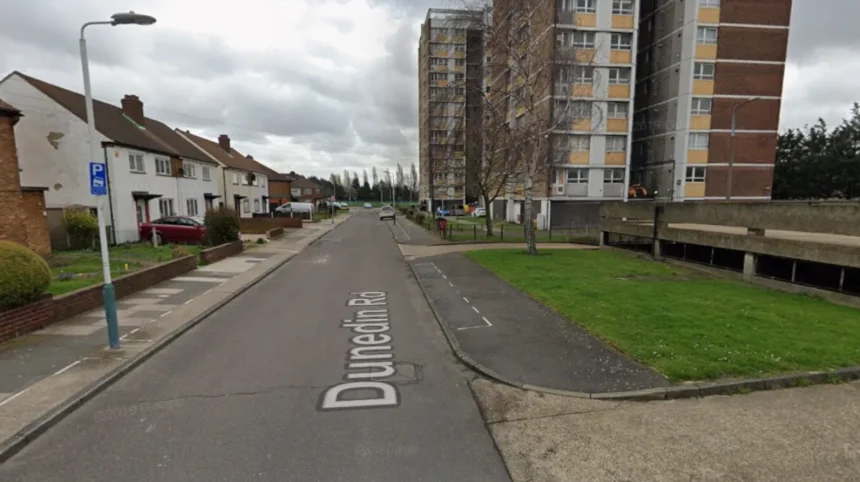
Havering (East London Times) September 30, 2026 – A 33-year-old lorry driver has been found guilty of driving without due care and attention after colliding with and severely damaging a brick bridge in the Berkshire village of Swallowfield. As reported by BBC News on Yahoo News, Daniel Gowers, residing at Dunedin Road in Havering, was formally convicted following legal proceedings held at Reading Magistrates’ Court on 15 September. The judicial panel delivered the ruling in the absence of the defendant, addressing an incident that took place earlier in the year on 11 February.
- Key Points
- What Were the Specific Penalties Imposed by Reading Magistrates’ Court?
- How Did the Swallowfield Bridge Strike Occur?
- Why Was the Case Adjudicated in the Defendant’s Absence?
- What Is the Background of Rural Bridge Collisions Across Berkshire?
- How Will This Legal Outcome Affect Heavy Goods Vehicle Operators and Local Communities?
What Were the Specific Penalties Imposed by Reading Magistrates’ Court?
As detailed by media reporting on the court ruling, the magistrates issued a substantial financial penalty alongside endorsements on the driver’s legal record. As reported by news journalists covering the verdict, Daniel Gowers was ordered to pay a baseline fine of £1,100 for the driving infraction. Furthermore, the court mandated a statutory surcharge of £440 alongside £130 in legal prosecution costs, bringing the total financial outlay to £1,670. In addition to the monetary fines, the judicial bench ordered nine penalty points to be attached to Gowers’ driving licence.
How Did the Swallowfield Bridge Strike Occur?
As reported in regional court accounts, the collision transpired when the heavy goods vehicle operated by Gowers attempted to navigate the historic brick structure situated within Swallowfield on 11 February. The physical impact caused immediate structural disruption to the village bridge, triggering an investigation by traffic law enforcement officers. Prosecutors successfully established that the vehicle was being navigated without the requisite care and attention expected of a qualified commercial motorist, leading directly to the impact with the brickwork.
Why Was the Case Adjudicated in the Defendant’s Absence?
As noted in legal reporting of the hearing on 15 September, proceedings at Reading Magistrates’ Court concluded without the physical attendance of the accused. Under standard Magistrates’ Court procedures in England and Wales, summary offences such as driving without due care and attention can proceed to trial and sentencing in absentia if the accused fails to attend or chooses not to present a live defense. The magistrates evaluated the presented evidence from traffic collision investigators before delivering the conviction and applying the maximum proportional penalty points short of an immediate driving ban.
What Is the Background of Rural Bridge Collisions Across Berkshire?
The conviction of Daniel Gowers highlights an ongoing issue regarding commercial freight navigation through historic rural villages in Berkshire and across the wider United Kingdom. Swallowfield, a traditional village characterized by narrow lanes and heritage infrastructure, features physical weight and width constraints designed to protect historic architecture. Over recent years, local highway authorities and community councils have repeatedly raised concerns regarding commercial vehicle drivers relying on standard satellite navigation systems rather than specialized heavy goods vehicle (HGV) GPS routing. Standard navigation systems frequently fail to highlight low or narrow brick bridges, leading to recurrent bridge strikes, severe structural damage, road closures, and substantial expenditure on restoration work for local councils.
How Will This Legal Outcome Affect Heavy Goods Vehicle Operators and Local Communities?
This conviction and significant penalty establishment serve as a primary precedent for commercial transport companies, heavy goods vehicle operators, and residents of rural Berkshire communities.
For commercial drivers and logistics enterprises, the endorsement of nine penalty points—just three points short of an automatic six-month driving disqualification under the UK tottering system—underscores the stringent legal accountability placed upon HGV drivers navigating restricted rural networks. Transport managers will likely be prompted to enforce stricter adherence to commercial-grade GPS navigation tools that account for bridge height, weight restrictions, and lane widths, reducing corporate liability and insurance premium spikes resulting from care and attention breaches.
For the local residents and parish councils of Swallowfield and surrounding Berkshire villages, the successful prosecution signals stronger judicial enforcement against freight traffic causing disruption to historic infrastructure. However, as bridge repairs often necessitate protracted road closures and detour routes, local authorities may face heightened public demand to introduce physical mitigation measures, including clearer warning signage, advance width restrictors, and enhanced traffic management orders to permanently safeguard heritage brick bridges from heavy vehicular traffic.