Key Points
- Facility Closure: York Hall, the historic leisure centre and world-famous boxing arena in Bethnal Green, East London, remains shut following the discovery of Legionella bacteria during routine testing on 15 July.
- Extended Timeline: Tower Hamlets Council has informed councillors that the iconic venue may not reopen to the public until January, with council managers warning that positive test results could delay the reopening even further.
- Cold Water Contamination: Initial treatments focused on the hot water network, but subsequent testing confirmed that Legionella bacteria have now spread into the building’s cold water system.
- Infrastructure Obstacles: A official report highlights that the venue’s severely ageing pipework is significantly complicating decontamination and flushing efforts.
- Asbestos Risks: The remediation project faces further complications as contractors must safely remove cancer-causing asbestos supporting redundant sections of pipework before major plumbing works can proceed.
- Escalating Costs: Tower Hamlets Council faces an estimated repair and remediation bill amounting to £924,000 to resolve the contamination, structural, and hazardous material issues.
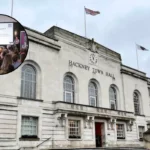
Bethnal Green (East London Times) October 24, 2026 – Bethnal Green’s historic York Hall leisure centre and renowned boxing venue will remain closed to the public until at least January following the discovery of Legionella bacteria and hazardous asbestos, local authority officials have confirmed. Tower Hamlets Council suspended all public access to the East London facility after routine environmental testing detected the dangerous pathogen on 15 July. The closure affects a wide range of municipal amenities, including the venue’s public gymnasium, swimming pool, historic Turkish baths, and world-famous sports arena.
- Key Points
- Why Has the Reopening of York Hall Been Delayed Until Next Year?
- What Complexities Are Engineering Teams Facing With the Ageing Plumbing?
- How Is the Discovery of Asbestos Impacting Repair Works and Costs?
- Will the Venue Reopen in January as Currently Planned?
- Background of the Particular Development
- Prediction: How This Development Can Affect the Particular Audience
The operational setback has intensified following subsequent council investigations, which revealed that the bacteria have spread beyond the initial hot water network into the venue’s cold water supply. Furthermore, repair crews have encountered hazardous asbestos encasing dead-leg sections of the building’s antiquated plumbing network. Officers from Tower Hamlets Council warned local representatives during a recent scrutiny briefing that whilst January remains the target reopening timeframe, ongoing water quality monitoring could push the operational restart further into next year.
Why Has the Reopening of York Hall Been Delayed Until Next Year?
The decision to keep the multi-purpose sports facility closed follows technical assessments regarding the persistence of the Legionella pathogen within the structure’s interior services. As reported by local government correspondents covering the Tower Hamlets Council proceedings, environmental health officers initially identified the bacteria during standard safety checks in mid-July.
Legionella bacteria pose severe health risks to human health when inhaled through microscopic water droplets, vapor, or mist generated by showers, taps, and air handling systems. Infection can lead to Legionnaires’ disease, a severe and potentially fatal form of pneumonia, as well as milder flu-like illnesses such as Pontiac fever.
To mitigate health risks, council officers halted all scheduled events and public access across the leisure complex. However, technical teams have struggled to eradicate the contamination due to the structural complexity of the venue. As detailed by council reporting staff, early chemical shock treatments and thermal disinfections were insufficient to clear the systems, leading to extended operational closures.
What Complexities Are Engineering Teams Facing With the Ageing Plumbing?
A comprehensive municipal report delivered to local councillors highlights that the primary obstacle to restoring safe water standards is the building’s antiquated infrastructure. As noted by council officers in the official report, York Hall’s pipework is severely aged, featuring numerous dead-ends and obsolete branch lines installed over decades of modifications.
These structural features create stagnant water zones where chemical disinfectants fail to circulate effectively, allowing bacterial biofilms to persist. The discovery that Legionella has colonised the cold water distribution network has further escalated the technical challenge, as cold water systems typically require extensive mechanical flushing, physical dismantling, and systemic pipework redesign to ensure full eradication.
How Is the Discovery of Asbestos Impacting Repair Works and Costs?
The remediation timeline has been further complicated by environmental safety hazards identified within the building’s structural framework. According to the report presented to local representatives, inspection teams discovered that several structural fixtures holding up redundant, disused pipework contain asbestos.
Because asbestos is a high-risk, cancer-causing material, standard plumbing work cannot proceed without certified hazardous material abatement. Specialists must erect sealed containment zones and follow strict safety regulations to dismantle and dispose of the asbestos insulation safely.
This requirement has significantly increased the project’s financial burden. Tower Hamlets Council is currently facing a total expenditure bill estimated at £924,000 to cover asbestos removal, pipework re-engineering, continuous water sampling, and systemic chemical treatments.
Will the Venue Reopen in January as Currently Planned?
Tower Hamlets Council maintains that January remains the official target date for welcoming back residents, athletes, and sports promoters. However, senior council managers have advised elected members that this timeline remains entirely subject to biological clearance.
As reported during the municipal briefing, a senior operational manager stated that there remains a distinct possibility that the January reopening might not happen if subsequent laboratory water samples continue to test positive for Legionella colonization. Health and safety regulations strictly prohibit opening the complex to the public until multiple consecutive water test series demonstrate zero traces of the pathogen across all outlets.
Background of the Particular Development
Opened in 1929 by the Metropolitan Borough of Bethnal Green, York Hall stands as one of the United Kingdom’s most iconic leisure and cultural facilities. Grade II listed for its historical and architectural significance, the neo-Georgian building was originally constructed to provide public baths, washhouses, and assembly halls for the local working-class community in East London.
Over the decades, York Hall developed an international reputation as the “Home of British Boxing.” It has hosted generations of world champion fighters, domestic title bouts, and amateur tournaments, making it an irreplaceable cornerstone of British sporting heritage. Alongside its international boxing fame, the venue functions as a vital community hub, featuring public swimming pools, fitness suites, and one of the few remaining functional historic Turkish Baths in London.
The current infrastructural crisis at York Hall reflects broader challenges surrounding municipal heritage assets across the United Kingdom. Ageing civic facilities built in the early 20th century frequently require substantial capital investment to maintain modern health, safety, and environmental standards. Tower Hamlets Council has previously undertaken localized maintenance at the site, but the combination of subterranean pipework degradation, stagnant water traps, and legacy hazardous building materials like asbestos has made comprehensive modern upgrades an urgent priority for the local authority.
Prediction: How This Development Can Affect the Particular Audience
The extended closure of York Hall until next year will have wide-ranging operational, financial, and social implications for several distinct audience groups:
- Local Residents and Community Gym Users: Nearby residents who rely on York Hall for affordable public leisure, swimming, and fitness activities will face ongoing disruption. Many will need to seek temporary memberships at alternative municipal facilities within Tower Hamlets, which may experience increased overcrowding and longer wait times for specialized services like public swimming sessions.
- The British Boxing Industry and Event Promoters: As a central venue for grassroots, domestic, and televised professional boxing events, York Hall’s temporary absence creates a significant vacuum in the UK boxing calendar. Sports promoters will be forced to secure alternative regional venues, often at higher operational costs or with less historical prestige, potentially delaying fight schedules and title matches planned for late autumn and winter.
- Local Businesses and High Street Vendors: The suspension of major sporting events and public leisure access will reduce footfall in Bethnal Green. Local public houses, restaurants, convenience stores, and transport links that typically benefit from thousands of visiting fight fans and daily leisure visitors will likely experience a temporary dip in weekend and evening trading revenue.
- Tower Hamlets Council Taxpayers: With remediation costs rising to £924,000, municipal budgets will experience significant fiscal pressure. The local authority may need to reallocate capital funds from other public works or leisure maintenance budgets to cover the unbudgeted environmental remediation and specialized asbestos removal contracts.