Key Points
- A freight train derailment near Rainham has caused widespread disruption, leaving local passengers without their regular c2c rail service from Friday through to the following week.
- Prior to the derailment incident, the rail line was already operating under an emergency timetable, compounding long-term travel frustration for daily commuters.
- Commuters have raised serious concerns over inaccurate passenger information on platform displays and online apps, noting that these errors severely complicate delay compensation claims.
- Passengers report a noticeable decline in overall customer service standards and train maintenance, with some expressing the belief that reliability has deteriorated following nationalisation.
- Martin Beable, Chief Operating Officer for GBR Anglia, clarified that a limited number of freight services continue to operate via complex operational manoeuvres because moving goods across the country remains critical.
- Local commuters argue that passenger reliability must be prioritized, calling for clear communication, dependable schedules, and accurate travel updates.
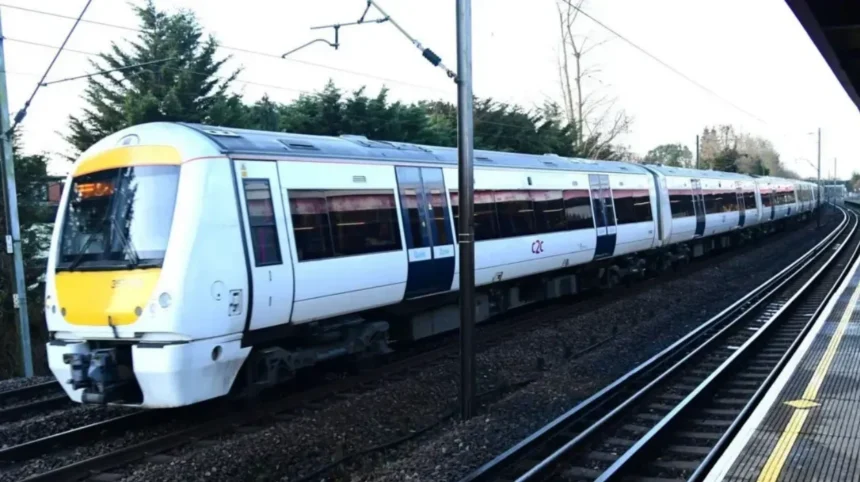
Rainham (East London Times) October 29, 2026 – Rail passengers in Rainham are facing severe and prolonged travel uncertainty following the derailment of a freight train, an incident that has halted regular passenger services and sparked widespread anger across the local community. The disruption, which began on Friday and is expected to stretch well into the following week, has left daily commuters struggling to find alternative routes to work and essential medical appointments. Local residents have voiced strong discontent regarding the frequency of operational breakdowns, arguing that the persistent instability of the c2c route is severely damaging the community’s trust in the regional transport network.
- Key Points
- What Are the Main Issues Surrounding Travel Information and Compensation Claims?
- How Has Customer Service and Carriage Quality Deteriorated Recently?
- Why Are Freight Services Being Prioritised Over Local Passenger Trains?
- Background of the Particular Development
- Prediction: How This Development Can Affect Rainham Commuters and Local Stakeholders
As reported by Sandra Rowse of The Havering Daily, an unnamed local resident and regular c2c passenger contacted the publication to highlight the growing frustration among commuters. The resident explained that Rainham had effectively been left without its usual train service since Friday, with normal operations not scheduled to resume until the following week. The commuter noted that the freight train derailment came as a double blow, as the line was already being forced to run under an emergency timetable prior to the accident, thereby turning an already fragile service into complete turmoil.
What Are the Main Issues Surrounding Travel Information and Compensation Claims?
A major source of grievance for affected commuters centres on the inaccuracy of live passenger information provided both online and on station displays. According to the reporting by Sandra Rowse in The Havering Daily, the local resident stated that online travel planners and platform indicator screens frequently displayed incorrect or outdated journey details during the ongoing disruption. This lack of clear, real-time guidance has left passengers stranded on platforms or forced onto prolonged detours without adequate notice.
In addition to physical travel delays, the breakdown in information accuracy has created significant hurdles for commuters attempting to claim legitimate delay compensation. As detailed by The Havering Daily, the resident pointed out that when digital systems fail to log cancellations or display incorrect arrival times, passengers lack the official documentation required to submit successful refund requests under standard delay repay schemes. This operational oversight effectively leaves passengers paying full price for severely compromised travel.
How Has Customer Service and Carriage Quality Deteriorated Recently?
Beyond the immediate consequences of the derailment, commuters have highlighted a broader, systemic decline in customer service standards across the local network. As reported by Sandra Rowse of The Havering Daily, the local resident expressed deep frustration with what they described as a noticeable drop in customer care and a visible deterioration in the physical condition of the train carriages themselves. The commuter remarked that cleanliness and upkeep have suffered alongside operational reliability.
Furthermore, the resident expressed the belief that the quality and dependability of the railway service had visibly declined following recent nationalisation efforts. The unnamed commuter argued that passengers in Rainham are being forced to shoulder the ultimate burden of administrative and structural changes within the rail sector, receiving an increasingly unreliable public service while bearing the brunt of rising travel inconvenience.
Why Are Freight Services Being Prioritised Over Local Passenger Trains?
The tension between freight logistics and passenger convenience has emerged as a central debate during this period of network recovery. Responding to the concerns raised by The Havering Daily, Martin Beable, Chief Operating Officer for GBR Anglia, stated:
“A small number of freight trains per day are currently able to pass around the affected area and on to the Great Eastern Mainline through a series of complex operational moves. Keeping these trains running is critical to moving goods across the country.”
As quoted by Sandra Rowse in The Havering Daily, Martin Beable clarified that the continuation of limited freight movements is a deliberate operational decision intended to safeguard national supply chains. These freight trains are being routed around the physical derailment site using intricate track manoeuvres to ensure that key commercial goods reach their intended destinations across the UK.
However, as The Havering Daily highlighted, this explanation offers little relief to local commuters who feel their daily travel needs are being subordinated to industrial transport. The unnamed resident told the media outlet that freight operations have become an increasing point of contention along the Rainham line, with repeated freight-related disruptions making it virtually impossible for local residents to plan their daily schedules, arrive at work on time, or attend critical appointments.
Background of the Particular Development
The c2c rail network, which serves key commuter routes across South Essex and East London—including major hubs such as Rainham, Upminster, Barking, and London Fenchurch Street—occupies a vital corridor for both passenger commuting and industrial freight transport. Over recent years, the infrastructure along the Thames Gateway corridor has experienced heightened traffic density due to its strategic link between major East Coast ports, industrial freight yards, and central London terminals.
This dual functionality frequently requires network operators to balance commercial freight contracts with stringent passenger timetables. The Anglia rail region, managed under the overarching framework of Great British Railways (GBR) alongside regional infrastructure managers, has undergone significant structural reorganization designed to streamline rail operations under public management. However, the transition phase has faced scrutiny from passenger watchdog groups and local commuter associations due to recurring timetable adjustments, emergency scheduling, and infrastructure bottlenecks along shared track sections.
Prediction: How This Development Can Affect Rainham Commuters and Local Stakeholders
This recent derailment and subsequent operational strain are likely to have several ongoing effects on Rainham passengers, local businesses, and regional transport policymakers:
- Short-to-Medium Term Commuter Strain: In the immediate future, local commuters face continued unpredictability in their daily travel schedules. Extended reliance on emergency timetables and replacement bus services will increase travel times into central London and surrounding Essex towns, potentially leading to increased absenteeism or productivity losses for local workers.
- Financial Loss and Administrative Friction: Until digital information systems are synchronized with real-time station disruptions, passengers will continue to encounter difficulties when claiming Delay Repay compensation. This financial frustration could trigger increased public formal complaints to the Rail Ombudsman and local MPs seeking mandatory reform of compensation processing during major disruptions.
- Economic Impact on Local High Streets: Reliable rail connectivity is crucial for local economic activity. Sustained travel disruption in Rainham risks diminishing footfall for local businesses near the station, as residents opt to work from home or travel to alternative hubs with more reliable transport links.
- Increased Scrutiny on GBR Anglia and Freight Prioritisation: The open friction between passenger needs and freight priority will likely force network operators like GBR Anglia to re-evaluate how emergency movements are communicated to the public. If freight trains continue to be perceived as receiving priority over stranded commuters, local resident groups and local councils are likely to step up political pressure for dedicated passenger guarantees on shared rail corridors.