Key Points
- Unplanned Closure: Havering Museum has been forced to shut its doors to the public temporarily following persistent overhead leaks.
- Mystery Substance: Museum officials have identified the fluid breaking through the ceiling as an “unknown liquid,” the exact source of which remains unidentified.
- Safety Concerns: The closure was enacted to protect vulnerable visitors, including school children and elderly guests, as well as volunteer staff.
- Artifact Risk: Safeguard protocols have been activated to prevent irreparable damage to the institution’s historical local collection.
- Investigation Underway: Specialist investigations and repair works are currently taking place to isolate and fix the ingress points before reopening.
Romford (East London Times) November 3, 2026 – Havering Museum has been forced into a sudden temporary closure after persistent water leaks began penetrating the facility’s ceilings. The decision was confirmed following an official public communication issued by the heritage site’s governing board. Officials indicated that the venue will remain strictly off-limits to members of the public whilst structural assessments and maintenance teams work to locate and rectify the root source of the liquid ingress.
- Key Points
- Why Has Havering Museum Been Forced to Shut Its Doors to the Public?
- How Are Visitors and Historical Artifacts Being Safeguarded During the Leak Investigation?
- Background of the Havering Museum Water Ingress Incident
- Prediction: How Will This Closure Impact Local Visitors and Community Stakeholders?
As reported by Sandra Brobbey of the Romford Recorder, the institution’s leadership confirmed that an unidentified liquid has been actively entering the premises through upper ceiling structures. The mystery surrounding the fluid’s origin has prompted an immediate suspension of daily operations, exhibition visits, and scheduled educational gatherings to avoid exposing visitors or historical items to potential hazards.
Why Has Havering Museum Been Forced to Shut Its Doors to the Public?
The decision to execute an emergency shutdown was taken by the institution’s executive leadership after efforts to manage the incoming overhead liquid proved insufficient. In an official operational update released across the venue’s verified communications platforms, representatives confirmed that regular admission into the gallery spaces would cease until comprehensive remedial work could be performed.
As reported by Sandra Brobbey of the Romford Recorder, Chair of Havering Museum Jane Keane explained that an “unknown liquid” was continuing to breach the structural interior of the building. Jane Keane stated:
“We have reluctantly taken the decision to close until the source(s) of the leaks are located and fixed.”
The statement highlighted that the physical integrity of the site’s interior could not be guaranteed whilst fluid continued to drip unchecked from overhead structural cavity points.
How Are Visitors and Historical Artifacts Being Safeguarded During the Leak Investigation?
The primary drivers behind the rapid operational shutdown centre on health and safety compliance alongside long-term heritage conservation. The museum serves a diverse demographic within the London Borough of Havering, regularly hosting organized educational trips, community workshops, and access sessions for vulnerable local residents.
As reported by Sandra Brobbey of the Romford Recorder, Jane Keane underscored that public welfare remained the decisive factor in halting operations, stating:
“The safety of our visitors, including many school children and frail adults, and our volunteers, is paramount.”
In addition to visitor safety, executive leaders emphasized the delicate nature of the historical items held within the museum’s display galleries. The facility functions as the custodian of regional archives and physical antiquities detailing the civic evolution of the local area.
As reported by Sandra Brobbey of the Romford Recorder, Jane Keane further noted:
“We are also custodians of a unique collection of historical objects that tell the story of Havering. We cannot replace those objects if they become damaged.”
Conservation measures have consequently been enacted inside the galleries to shelter displayed items from potential fluid contact while contractor teams work to locate the point of structural failure.
Background of the Havering Museum Water Ingress Incident
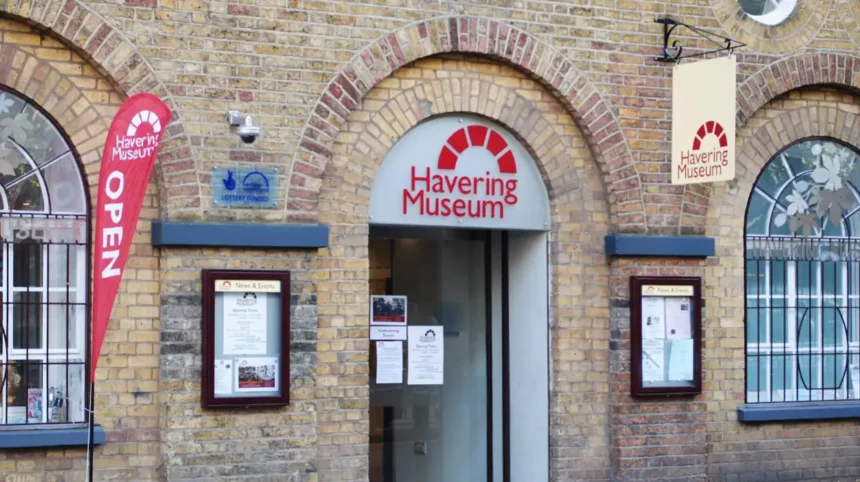
Havering Museum, situated in Romford within the London Borough of Havering, operates as an accredited regional heritage center dedicated to collecting, preserving, and exhibiting items that document the history of the surrounding area. Situated in a historic structure in central Romford, the facility relies heavily on maintaining a secure, climate-controlled environment to protect delicate documents, textiles, and domestic artifacts dating back several centuries.
This is not the first instance where fluid management issues have affected the facility’s operations. The museum occupies a multi-use building layout, sharing immediate structural boundaries and ceiling planes with neighboring properties, including residential units situated directly above the gallery spaces. Previous operational disruptions recorded by the venue include a similar forced closure in August 2022, when a severe water leak originating from the residential flats positioned above the museum compromised gallery areas and prevented public access.
Maintaining historical properties poses ongoing structural challenges, particularly concerning drainage systems, plumbing runs, and external weatherproofing. Because the current leak involves an unidentified fluid breaking through overhead ceiling linings, technical teams must conduct precise tracing exercises across multi-occupancy zones to isolate whether the fault stems from internal municipal plumbing, private upper-floor drainage, or external roofing structures.
Prediction: How Will This Closure Impact Local Visitors and Community Stakeholders?
The unexpected closure of Havering Museum will directly impact several key demographics within the local community until full repair works are completed and safety clearances are issued.
Primary Audience Impact Analysis
- School Groups and Local Educators: Primary and secondary schools that have booked historical learning modules will face immediate postponements or cancellations. The temporary loss of the gallery space removes an educational asset used to deliver localized history curriculums to young students.
- Elderly Residents and Vulnerable Visitors: The museum regularly runs tailored social programs, including dementia-friendly sessions and quiet gallery hours for frail adults. The suspension of these services temporarily eliminates an important community hub for social engagement and accessible local culture.
- Volunteer Staff: The operational freeze directly impacts the museum’s team of local volunteers who manage visitor reception, cataloguing, and guided gallery tours. Operational pauses risk disrupting volunteer schedules and delayed project timelines for ongoing archive cataloguing.
- Local Heritage Operations and Revenue: Prolonged closures jeopardize ticket revenue, retail sales from the museum shop, and venue hire bookings. Furthermore, if structural specialists find that the mystery liquid has caused secondary damage to ceiling joists or plasterwork, the museum may require extended financial capital to complete restoration before reopening safely.