Key Points
- Funding Awarded: Barking & Dagenham Council has secured nearly £2.3 million from the UK Government’s Experts at Hand programme.
- Academic Partnership: The successful funding bid was developed in collaboration with Queen Mary University of London’s SHAPE Health Institute.
- Target Audience: The resources are designated to expand specialist support for children and young people with special educational needs and disabilities (SEND) in mainstream settings across the borough.
- Research Foundation: Proposals were directly informed by the “Nurturing Every Child” research project conducted at Becontree primary school, which incorporated extensive feedback from local parents, teachers, and school personnel.
- Competitive Allocation: The grant forms part of a wider £1.8 billion national funding pool under the Experts at Hand initiative.
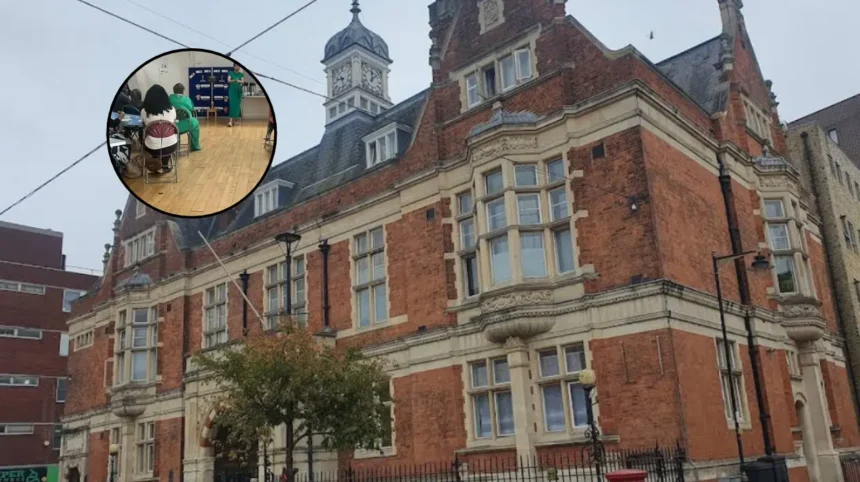
Barking & Dagenham (East London Times) November 4, 2026 – Barking & Dagenham Council, supported by Queen Mary University of London’s SHAPE Health Institute, has secured nearly £2.3 million in special educational needs and disabilities (SEND) funding through the Government’s Experts at Hand programme. The capital injection brings vital resources to an East London borough currently navigating exceptionally high levels of complex need. The multi-million-pound scheme is structured to provide dedicated, specialist expertise directly within mainstream educational settings. This approach ensures that children and young people requiring tailored assistance receive early interventions and persistent support without being removed from their local school communities.
As highlighted in the official joint project summary, the securing of this allocation represents a major operational milestone for both the local authority and academic researchers, particularly given the rigorous selection criteria and nationwide competition for the broader £1.8 billion Experts at Hand initiative. The capital will be channelled into expanding capacity across primary and secondary mainstream schools, enabling visiting experts and dedicated support personnel to work alongside existing educational staff to manage increasingly complex classroom requirements.
What Role Did Queen Mary University’s SHAPE Health Institute Play in Building the Bid?
The successful submission was grounded in extensive empirical data gathered through a joint civic partnership established in late 2025. Academic researchers from the SHAPE Health Institute worked directly alongside local authority officers to analyze community experiences across the borough. A primary cornerstone of this research effort was the “Nurturing Every Child” initiative, a targeted study established by SHAPE Health at Becontree primary school.
The project relied upon interactive workshops featuring active participation from local parents, teaching staff, and school administrators. These sessions directly informed the core parameters of the research, mapping out the lived experiences of families and detailing the daily operational pressures faced by educators. By capturing local evidence, the Institute helped articulate the multifaceted challenges surrounding SEND provision in Barking and Dagenham, providing the statistical and qualitative foundation required to satisfy the central government’s funding guidelines.
In an official public statement regarding the funding success, Fiona Taylor, Chief Executive of Barking & Dagenham Council, highlighted the structural value of the academic partnership, noting:
“SHAPE Health & the Council’s civic partnership with Queen Mary University proves that working together can directly influence local priorities and address local challenges while helping to secure additional resources.”
Echoing those views, Professor Arundi Mahendran, Director at the SHAPE Health Institute at Queen Mary University of London, emphasized the collaborative effort behind the successful bid, stating:
“We are proud to have worked alongside the Council to help make the case for this investment. Over the past year, parents, teachers and school staff in Becontree have shown us what getting support really looks like for children with SEND, and that evidence, together with the Council’s leadership, helped build a strong case for change. This funding will bring more specialist support into mainstream schools so that more children can thrive close to home, and we look forward to continuing this work with the Council.”
Background to the Experts at Hand Development
The push to bolster special educational needs and disabilities provision comes amid sustained nationwide demand for SEND services, with local authorities across England facing persistent budget constraints alongside rising diagnostic rates. The central government’s £1.8 billion Experts at Hand programme was instituted to deliver targeted capital and operational grants to regions demonstrating acute demand and structured delivery strategies.
In Barking and Dagenham, demographic shifts over the past decade have contributed to heightened pressure on local education health and care (EHC) plans. Traditional specialized school placements have frequently operated at or near full capacity, creating an urgent operational requirement to enhance the capabilities of mainstream educational facilities. The partnership between Barking & Dagenham Council and Queen Mary University of London’s SHAPE Health Institute was formally aligned in late 2025 to create an evidence-based roadmap, ensuring that municipal bids for central government grants were backed by rigorous academic methodology and verified local data.
Prediction: How Will This Development Affect Local Families and School Staff?
The allocation of £2.3 million is expected to alter the day-to-day operations within Barking and Dagenham mainstream schools, delivering direct impacts across three primary stakeholder groups:
For Children with SEND and Their Families
The primary outcome for young people will be increased access to early, tailored support within their immediate neighborhood schools. By embedding specialists directly into mainstream classrooms, fewer children will face lengthy waitlists or the disruptive prospect of traveling out-of-borough for specialized educational placements. Families can expect more robust individual support plans and earlier identification of learning adjustments, reducing emotional and logistical strain on parents.
For Teachers and School Support Staff
Educators across mainstream settings are set to receive enhanced operational relief and professional guidance. The influx of expert personnel through the programme will provide classroom teachers with access to targeted coaching, professional development, and immediate intervention strategies for managing complex behavioral or learning needs. This added capacity is anticipated to reduce burnout rates among teaching staff while fostering a more inclusive overall learning environment.
For the Local Authority and Wider Community
For Barking & Dagenham Council, the successful implementation of this initiative creates a sustainable, long-term model for SEND management. By expanding mainstream capacity, the council reduces reliance on expensive independent or out-of-area specialist placements, relieving broader fiscal pressures. If successful, the collaborative model established with Queen Mary University may serve as a template for other metropolitan boroughs seeking to leverage higher education research partnerships to secure competitive central government funding.