- Casualty on the tracks: A person was pronounced dead at the scene following a collision with a train at Catford Bridge railway station in south-east London.
- Emergency response: Emergency services were dispatched to the station at 11:17 am on November 11 after receiving reports of an incident on the railway line.
- Immediate line closures: Rail lines running between Hayes and Ladywell were closed to allow emergency personnel safe access to the tracks and context of the incident.
- Widespread rail disruption: The closure caused severe disruption across the Southeastern train network, primarily affecting services operating between London Charing Cross and Hayes.
- Secondary route impact: Additional train routes experienced delays and alterations, including selected services operating between London Charing Cross, Dartford, and Gravesend.
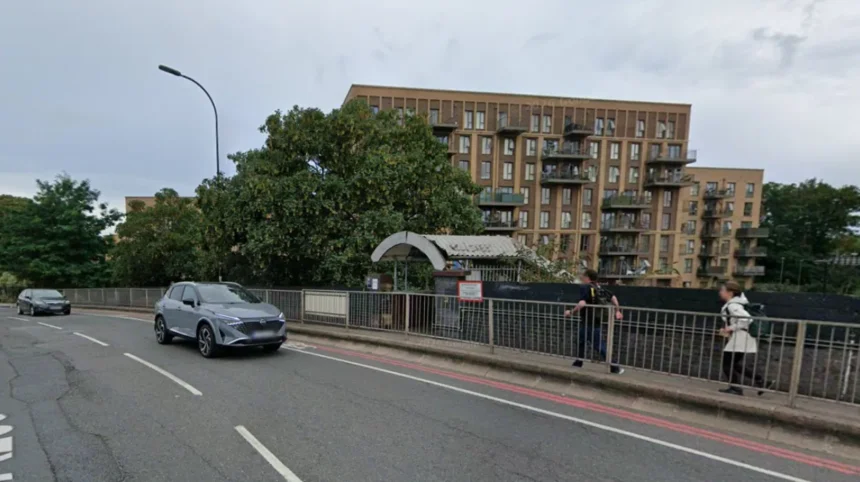
South East London (East London Times) November 11, 2026 – A fatal incident on the railway line at Catford Bridge station led to the immediate closure of a major south-east London commuter route this morning, causing widespread disruption across the Southeastern network. Emergency services were called to the scene at 11:17 am following reports of a casualty on the tracks. Despite the rapid response of paramedics and emergency personnel, the individual was pronounced dead at the scene. The incident forced network operators to suspend all services between Hayes and Ladywell to enable emergency teams to conduct investigations and manage the location safely.
What Happened at Catford Bridge Railway Station?
The incident occurred during the late morning commute when a train struck a person on the tracks at Catford Bridge railway station. Calls were placed to emergency services at 11:17 am, bringing a coordinated response from blue-light services, including officers from the British Transport Police and crews from the London Ambulance Service.
Upon arrival at the Catford location, medical responders assessed the victim, but the injuries sustained were fatal. The individual was pronounced dead at Catford Bridge station. Officers secured the platform and the surrounding railway infrastructure to allow forensic and recovery teams to work without interference.
Following standard protocol for fatal incidents on the national rail network, the affected section of the track was shut down completely. Network Rail and Southeastern coordination teams halted all rail movements through the sector while emergency responders carried out their duties at the scene.
How Did the Incident Disrupt South-East London Train Services?
The closure of the line between Hayes and Ladywell created an immediate blockage on the Hayes branch line, cutting off direct rail connections between south-east London suburbs and central London terminals. Services operating between London Charing Cross and Hayes were suspended or terminated at intermediate stations.
The operational impact extended beyond the Hayes line. Network congestion and altered train dispatch schedules led to knock-on delays across adjacent Southeastern lines. Routes servicing London Charing Cross, Dartford, and Gravesend experienced service cancellations, delays, and last-minute route diversions.
To assist stranded passengers, Southeastern organized alternative transport arrangements, including local bus replacements and ticket acceptance on London Bus routes. Passengers were advised to check journey planners and seek alternative travel paths while emergency operations remained active at Catford Bridge.
Background of the Hayes Line and Railway Safety Operations
The Hayes line serves as a critical commuter arterial in south-east London, connecting suburban locations such as Hayes, West Wickham, Elmers End, and Catford Bridge directly to major central London hubs including London Bridge, Cannon Street, and Charing Cross. Managed by Network Rail and operated primarily by Southeastern, the line handles tens of thousands of passenger journeys daily, making any operational stoppage highly disruptive to the wider capital transport ecosystem.
Incidents involving casualties on tracks prompt a standardized multi-agency emergency response protocol governed by the British Transport Police, local ambulance trusts, and rail infrastructure managers. When a collision occurs, tracks are de-energized to guarantee the safety of attending personnel. The protocol mandates thorough on-site investigations to establish the circumstances leading to the incident before track clearance can be granted by safety officers. Consequently, line closures typically extend over several hours to accommodate both emergency care procedures and statutory investigation requirements.
How Will This Development Affect South-East London Passengers and Network Operations?
The temporary closure of the Hayes line and subsequent service alterations will have immediate and medium-term impacts on passengers, rail operators, and local infrastructure management:
- Evening Commuter Disruption: Passengers reliant on the Hayes branch for their evening journey home will face continued delays, reduced service frequency, and platform overcrowding at central London stations such as Charing Cross, Cannon Street, and London Bridge as Southeastern works to return rolling stock and train crews to their correct operational positions.
- Increased Pressure on Alternative Public Transport: Local bus services running through Catford, Lewisham, and Ladywell, along with parallel transport links such as the Docklands Light Railway (DLR) and London Underground branches, will experience significantly higher passenger volumes while rail lines are cleared and reinstated.
- Operational Rebalancing for Southeastern: Rail operators will need to manage crew positioning and train unit placements across affected depots in Dartford, Gravesend, and south-east London to prevent secondary disruptions from spilling over into subsequent operational days.