Clapton, Hackney, stands as a vibrant district in East London, blending rich history with modern multicultural energy. This evergreen guide explores its Saxon roots, Victorian legacy, and enduring community spirit for locals and newcomers alike.
Historical Origins
Clapton derives its name from the Saxon “Clop’tun,” meaning “farm on the hill,” reflecting its medieval ties to Hackney’s rural past. By the 16th century, the area featured estates like the King’s House, visited by Henry VIII in 1535 and later home to Thomas Cromwell. In 1900, Clapton integrated into the Metropolitan Borough of Hackney within the County of London, evolving further in 1965 into the modern London Borough of Hackney.
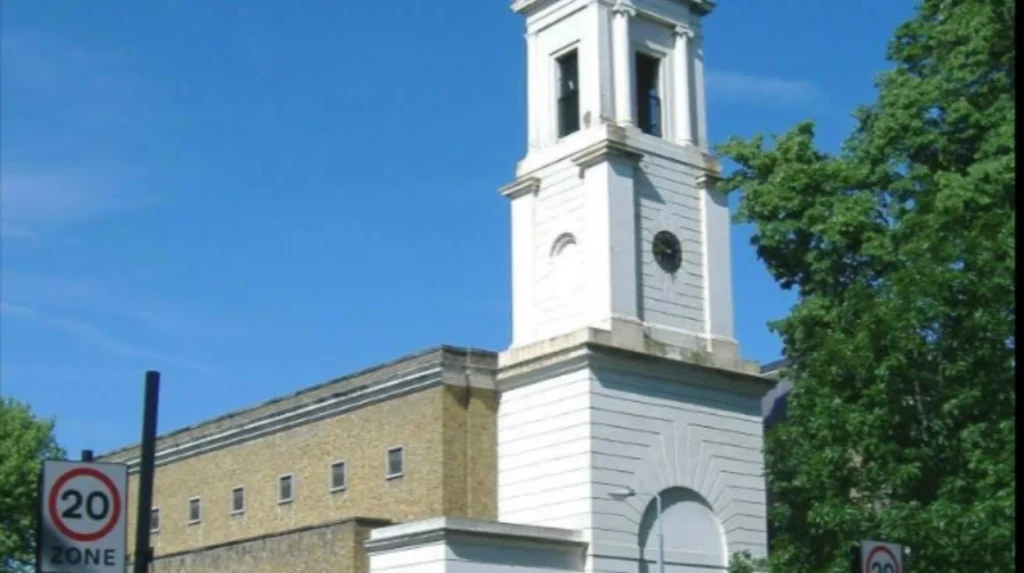
The Clapton Portico site hosted a girls’ boarding school in the 1630s under Mrs. Elizabeth Salmon, transitioning to Dr. Newcome’s Academy, a prominent boys’ school from 1685 until 1815. Upper Clapton emerged in the early 19th century, divided from Lower Clapton, with laborers’ cottages lining Upper Clapton Road by the late 18th century.
Architectural Gems
Clapton Common, once “Broad Common,” saw boundaries set by late 18th-century developments. Georgian villas dotted the landscape until post-WWI conversions into workshops and 1930s social housing projects reshaped Upper Clapton. The Church of the Good Shepherd, built in 1892, served the controversial Agapemone sect, sparking local scandals.
Clapton Square’s origins tie to this Saxon heritage, preserving Regency-era terraces amid green spaces. These structures highlight Clapton’s shift from rural manor to urban enclave, with Grade II-listed buildings like the Portico enduring despite maintenance challenges.
Cultural Evolution
In the late 19th century, Clapton hosted the Agapemone cult’s “Abode of Love,” led by figures like Henry James Prince and John Hugh Smyth-Pigott, whose antics fueled community outrage. Post-war, Caribbean and Asian immigrants enriched the area, fostering a diverse soundscape from grime music scenes to annual carnivals.
Today, Clapton thrives as a creative hub, with street art, indie cafes, and music venues drawing global attention. Its multicultural fabric mirrors Hackney’s broader transformation, balancing gentrification with authentic community vibes.
Green Spaces
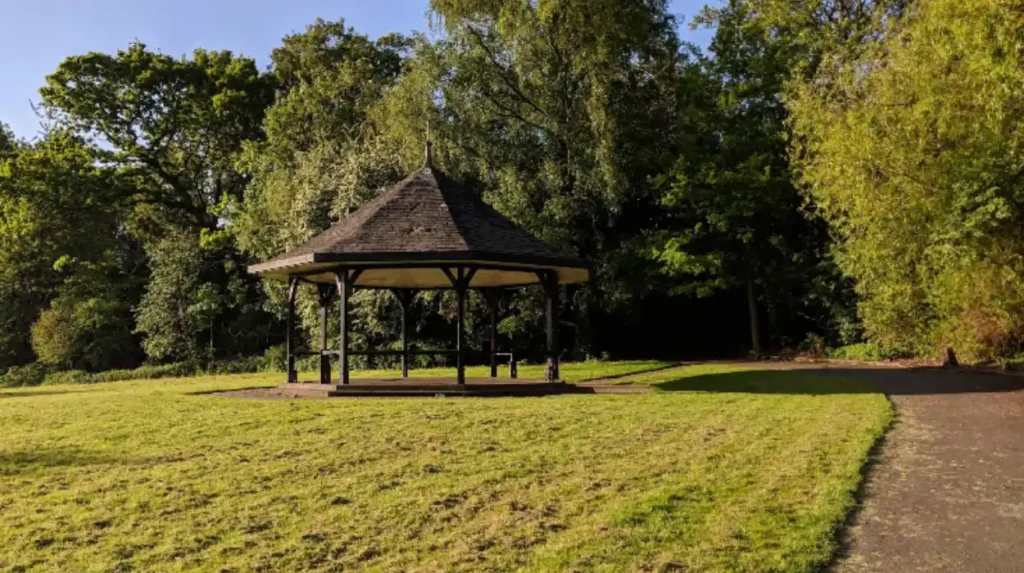
Springfield Park and Clapton Common offer serene escapes, ideal for runs or picnics. These areas, defined by historic enclosures, host events like festivals, maintaining their role as communal hearts. Upper Clapton Road’s greenery complements post-1930s housing estates, providing evergreen respite in urban Hackney.
Modern Lifestyle
Clapton appeals to East Londoners with affordable housing, vibrant markets, and proximity to Hackney Downs station. Runners enjoy Commons trails, while foodies explore spots like the Hackney Empire nearby. Families value schools like Clapton Girls’ Academy, rooted in the Portico’s legacy.
Property blends Victorian conversions with new builds, attracting young professionals. SEO-optimized living here means easy access to London’s creative pulse without central costs.
Community Highlights
- Annual Clapton Pride events celebrate inclusivity.
- Local markets on Chatsworth Road showcase global cuisines.
- Football at the Memorial Ground unites residents.
- Art trails highlight murals from emerging talents.
These timeless features ensure Clapton’s enduring appeal.
Why Clapton Endures
Clapton’s blend of history, diversity, and green havens cements its status as an East London gem. For residents, it offers authentic living; for visitors, endless discovery. Explore its streets to feel the pulse of a neighborhood that defies trends.