Havering Hill Park in East London is most closely associated with Havering Country Park, a 165‑acre expanse of woodland, meadow and bridleways on the Havering Ridge above Romford, within the London Borough of Havering. For East Londoners, it offers one of the nearest places to experience genuine countryside, giant redwoods and sweeping views without leaving Greater London, making it a powerful evergreen topic for local lifestyle, travel and community search queries.
- Where Exactly Is Havering Hill Park?
- A Hilltop Landscape With Deep History
- From Private Estate To Public Country Park
- The Plotlands Story: East Enders’ Green Escape
- Creating Havering Country Park
- What You’ll Find In The Park Today
- Nature, Wildlife And Conservation Value
- Awards And Recognition For Havering’s Green Spaces
- Getting There: Entrances And Transport
- Walking Routes, Cycling And Outdoor Activities
- Family‑Friendly And Dog‑Friendly Character
- Havering‑Atte‑Bower: Village Above The City
- How The Park Is Managed And Protected
- Why Havering Hill Park Matters For East London’s Future
Where Exactly Is Havering Hill Park?
When people search for “Havering Hill Park East London”, they are usually looking for Havering Country Park and the surrounding hilltop landscape near Havering‑atte‑Bower village. The park lies north of Collier Row and Romford, forming part of a green corridor alongside Bedfords Park and other open land on the edge of the London–Essex boundary, easily reached from East London suburbs by short bus or car journeys.
This elevated position on the Havering Ridge delivers long views back across the capital, especially from paths radiating off the central Wellingtonia Avenue. For residents of Romford, Harold Hill, Elm Park and nearby areas, it functions as a semi‑rural back garden where you can swap traffic noise for birdsong in under an hour.
A Hilltop Landscape With Deep History
The landscape around Havering‑atte‑Bower has been occupied for centuries, with archaeological digs west of the modern village revealing Roman ditches, pottery, metalwork and cremation burials that suggest a settled farming community. Later, in the Saxon and medieval periods, the area became a royal centre, with King Edward the Confessor establishing a hunting lodge that evolved into the Royal Palace of Havering surrounded by extensive parkland.
Much of the land that now forms Havering Country Park once lay within this royal estate, used for hunting, woodland management and agriculture before passing into private hands after the palace declined in the 17th century. These layers of history mean that a modern walk in “Havering Hill Park” traces routes once used by monarchs, estate workers and later Victorian landowners.
From Private Estate To Public Country Park
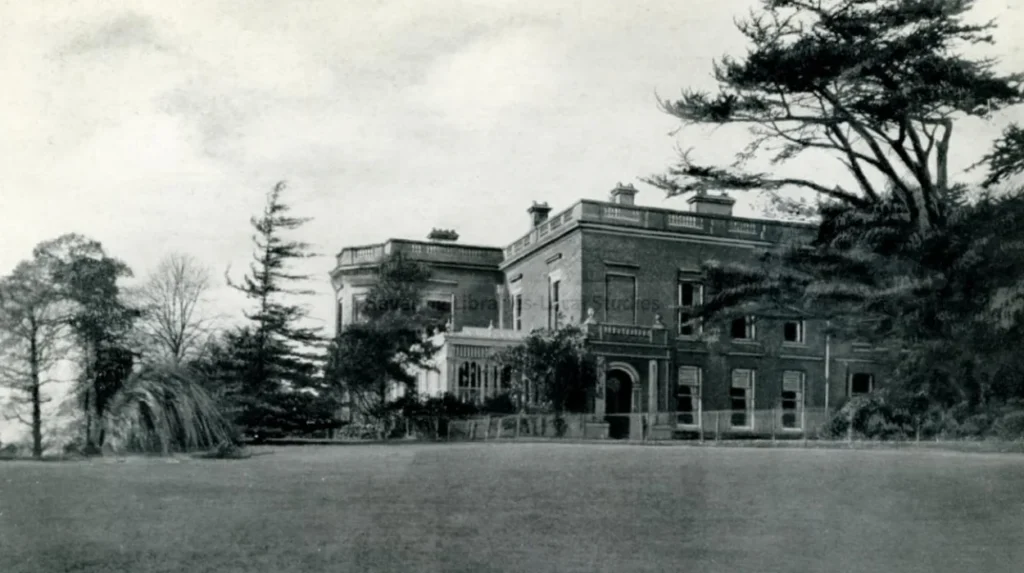
The modern park emerged from Havering Park, a private estate that occupied part of the old royal hunting grounds and retained large tracts of woodland and pasture. In the 19th century, the estate owners planted an avenue of Wellingtonia (giant sequoia) trees, reflecting Victorian fascination with exotic species imported from California, and this striking feature now gives the park its most iconic visual identity.
In the 20th century, sections of the estate became “plotlands” – small parcels sold or rented to mainly East End families, who built simple huts and bungalows as weekend or holiday retreats. Over time, some of these structures became permanent homes, turning the hilltop into a patchwork of informal dwellings before strategic planning and green‑belt policy led to the creation of a formal country park.
The Plotlands Story: East Enders’ Green Escape
Across the wider Thames estuary and North‑East London fringe, plotlands became a defining feature of working‑class leisure in the early and mid‑20th century. At Havering, families from crowded inner‑city districts bought or leased small plots where they could garden, grow food and enjoy fresh air on weekends, often travelling out by bus or bike with minimal possessions.
These rustic communities developed a strong sense of identity and attachment to the landscape, even as local authorities later moved to buy back land and rationalise development for environmental reasons. The eventual transition from scattered plotland bungalows to a unified Havering Country Park represents a shift from private, improvised recreation to publicly managed, strategic green space for the whole borough.
Creating Havering Country Park
Following the Abercrombie Plan’s post‑war vision for London, planners identified the Havering Ridge as a key area for green‑belt protection and public recreation. In 1970, the Greater London Council issued a compulsory purchase order to acquire plotland properties and land for a new regional park, facing understandable resistance from some residents but ultimately securing the area for long‑term public use.
After a period of clearance, landscaping and path creation, Havering Country Park opened in the mid‑1970s under GLC management and was later transferred to the London Borough of Havering when the GLC was abolished in 1986. Today, it forms the western segment of the historic Havering Park estate, with other parts now managed as separate open spaces and farmland.
What You’ll Find In The Park Today
Havering Country Park spans about 165 acres, much of it covered by mixed woodland and scattered clearings, giving it a more rural feel than many urban parks in East London. Broad grass rides and bridleways run through the trees, connecting open meadows ideal for picnics or ball games with denser stands of mature woodland that feel a world away from nearby housing estates.
The star attraction is Wellingtonia Avenue, a broad track lined with giant redwoods that can reach over 30 metres in height, forming an imposing, cathedral‑like corridor of trunks and branches. This is recognised as the second‑largest plantation of Wellingtonia trees in England and has become a must‑see location for photographers, dog walkers and families exploring “Havering Hill Park” for the first time.
Nature, Wildlife And Conservation Value
The combination of ancient and secondary woodland, grassland and hedgerows gives the park significant ecological value within Havering’s green‑space network. Woodland areas provide nesting and foraging habitat for a range of birds, bats and invertebrates, while grassland rides create sunny edges that suit wildflowers and pollinating insects.
The park sits within a wider mosaic of countryside that includes Bedfords Park and other green‑belt land, creating corridors for wildlife movement and resilience against urban pressures. Active management by the council and countryside rangers focuses on maintaining paths, controlling scrub, planting trees and hedges, and preserving the character of the giant redwoods and other notable trees.
Awards And Recognition For Havering’s Green Spaces
Havering has built a strong reputation for well‑kept parks, regularly achieving Green Flag Awards for several sites across the borough. Although Havering Country Park is deliberately left slightly wilder than more formal parks, its conservation value and presentation have been recognised at regional level.
In 2019, the park received a Gold Award in the “Large Conservation Area” category and was named overall category winner in the London in Bloom competition, highlighting its importance in London’s wider network of green spaces. This recognition reflects both ecological quality and the effort put in by council teams and volunteers to keep the area accessible, safe and attractive.
Getting There: Entrances And Transport
One of the reasons Havering Country Park retains a quiet, countryside atmosphere is that there is no car park inside the site itself, and access is mainly on foot or by cycle. Key entrances include gates on Clockhouse Lane (RM5 2RR), Wellingtonia Avenue (RM4 1QP) and Pinewood Road, all leading into the main network of paths and woodland tracks.
For East London residents without a car, local buses such as routes 375 and 294 provide links from Romford and surrounding neighbourhoods to stops near the park’s entrances. Once you arrive, the open layout means visitors can wander freely, choosing anything from a short stroll to a longer circular walk across the ridge and into neighbouring green spaces.
Walking Routes, Cycling And Outdoor Activities
Havering Country Park is especially popular with walkers, dog owners, runners and riders who appreciate its off‑road paths and the sense of space created by the ridge‑top setting. Many visitors begin at Wellingtonia Avenue, admire the redwoods and then branch off into side paths that loop through woodland and meadows before returning to the main route.
Because the park connects via lanes and tracks to Bedfords Park, Pyrgo Park and other countryside, it can easily form part of a longer hike or leisure ride for those exploring the outer reaches of East London and the London–Essex border. For a more relaxed day out, families can stick to the central avenues and grass clearings, setting up picnics or playing games while still feeling surrounded by nature.
Family‑Friendly And Dog‑Friendly Character
Unlike more formal urban parks with cafés, fountains and sports courts, Havering Country Park offers a back‑to‑basics countryside experience, which many families and dog owners find refreshing. Children have room to roam, climb fallen logs, collect leaves and explore clearings, while dogs enjoy long, traffic‑free walks on and off lead depending on local guidance and considerate behaviour.
Because there are no roads cutting through the park and no on‑site parking areas, noise levels tend to be lower than in town‑centre parks, making it easier to hear birdsong and the wind in the trees. For East Londoners seeking a calmer weekend alternative to crowded high streets or shopping centres, this sense of quiet is a major part of the park’s appeal.
Havering‑Atte‑Bower: Village Above The City
Just beyond the trees lies Havering‑atte‑Bower, a small village with a long and distinguished past that adds cultural depth to any visit. The settlement’s name reflects its royal connections, with “atte‑Bower” referring to the royal residence or bower that stood here in Saxon and medieval times, drawing monarchs to this breezy hilltop for hunting and retreat.
Today, the village retains a rural feel, with historic buildings, church towers and viewpoints that look across the surrounding countryside and back towards London. Linking a walk in Havering Country Park with a loop through Havering‑atte‑Bower gives visitors a clear sense of how this landscape has functioned as both working countryside and royal refuge over more than a thousand years.
How The Park Is Managed And Protected
Day‑to‑day responsibility for Havering Country Park rests with the London Borough of Havering’s parks and countryside services, supported by a small team of rangers. Their work ranges from practical tasks such as path maintenance and boundary repairs to more strategic projects like habitat creation, tree planting and public‑access improvements across the borough’s countryside sites.
Community involvement also plays a role, with local volunteers and friends’ groups supporting litter‑picks, conservation activities and awareness‑raising around responsible use of green spaces. This combination of professional management and local stewardship helps ensure that the landscape remains both ecologically healthy and welcoming for everyday users from across East London.
Why Havering Hill Park Matters For East London’s Future
As East London continues to grow and regenerate, spaces like Havering Country Park become increasingly important as lungs for the city and anchors of local identity. They offer free, year‑round access to nature, help support mental and physical wellbeing and provide children with early experiences of woodland and wildlife that many urban areas struggle to offer.
For searchers typing “Havering Hill Park East London” into their browser or AI assistant, the answer is more than a pin on a map: it is a living, evolving landscape where history, ecology and community meet on a ridge above Romford. Whether you come for a dog walk under the giant redwoods, a family picnic in the meadows or a long, reflective hike with views back towards the city, this corner of Havering shows how much countryside still survives – and thrives – within Greater London’s boundary.