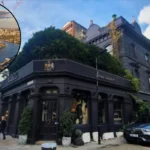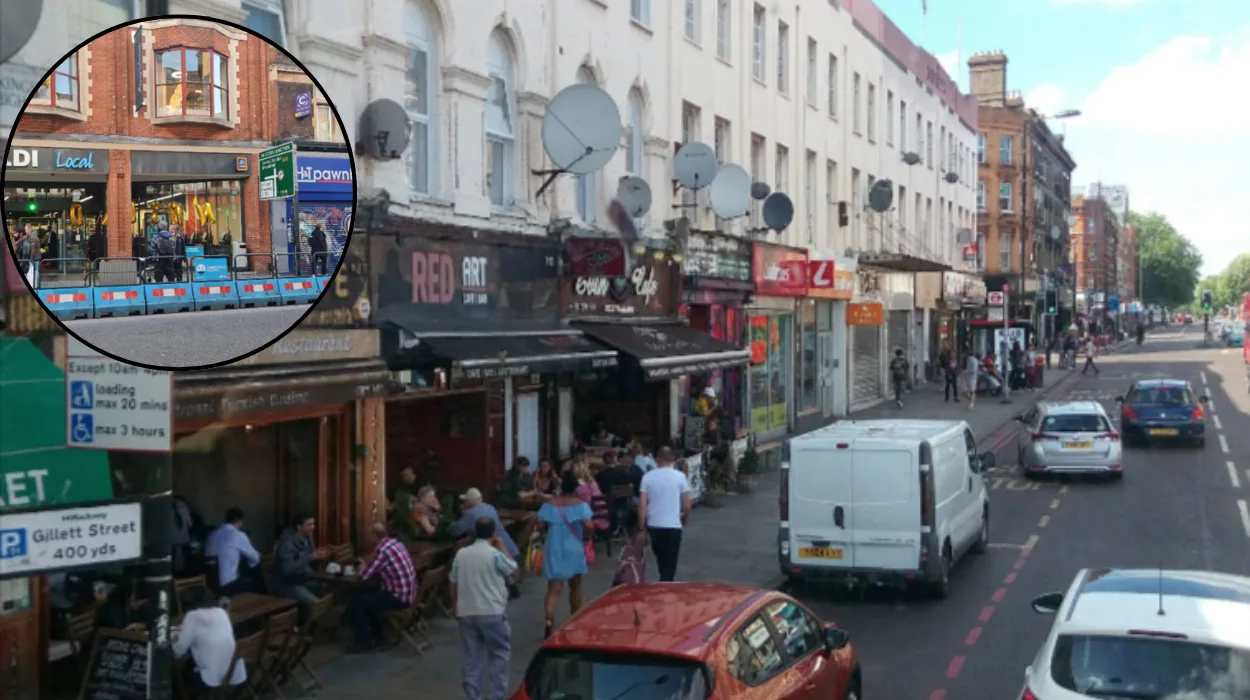
Kingsland stands as a vibrant testament to East London’s layered past, blending historic roots with modern energy along its iconic High Street. Once a rural village on ancient Roman roads, this area now pulses with diverse communities, indie shops, and cultural gems that appeal to locals and explorers alike. This evergreen guide uncovers Kingsland’s story, attractions, and enduring allure for East London residents seeking authentic neighborhood vibes.
Ancient Origins and Roman Legacy
Kingsland traces its beginnings to the Roman era, centered on what became Kingsland High Street along the Old North Road, now the A10. This route, part of Ermine Street, linked Roman settlements from the City of London northward through hunting grounds once owned by Henry VIII—hence the “Kingsland” name.
Forests in the area vanished quickly to fuel London’s growth, with land cleared for brick clay quarries and market gardens. Springs and wells dotted the landscape, including the lost Pigwell Brook that flowed from Kingsland Green along modern Graham Road into Hackney Brook. A chalybeate spring near Dalston even piped water to Aldgate by 1535, highlighting early resource exploitation.
By the 17th century, Kingsland formed a small roadside settlement at the junction with Dalston Lane, part of Hackney Parish alongside villages like Dalston, Newington, and Shacklewell. In 1672, it counted just 28 households, but rural charm defined it with inns, farms, and greens.
18th-19th Century Growth and Urban Shift
Rapid expansion hit in the 1700s, especially along Kingsland Road, outpacing nearby Dalston—five inns by 1724 versus Dalston’s two. Market gardens thrived, supplying London, but development accelerated post-1807 with estates on Lamb Farm south of the junction.
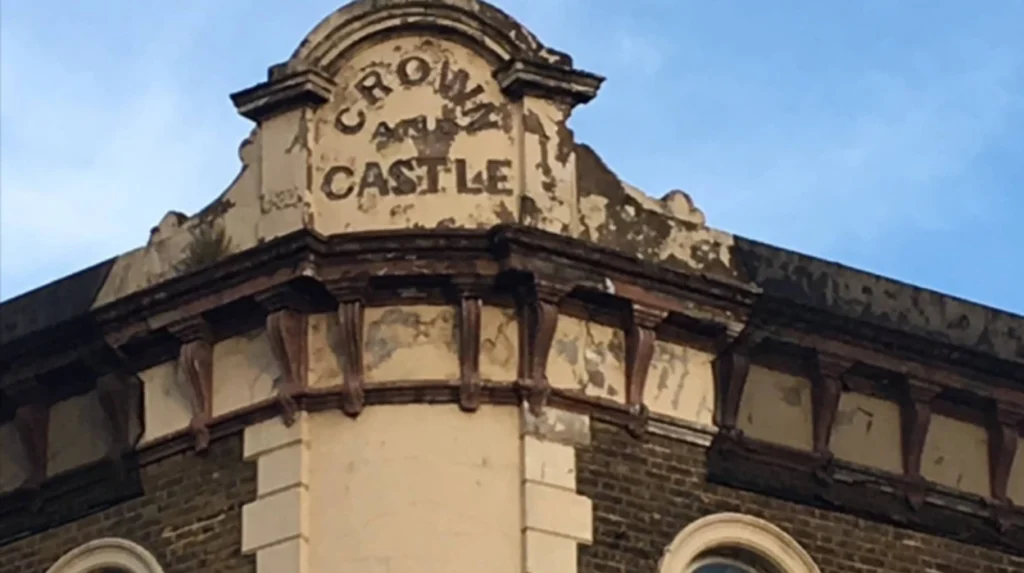
The North London Railway’s 1850 arrival transformed the crossroads, spurring 19th-century buildings that still define the skyline. By 1831, Dalston Lane linked Kingsland to Dalston, blurring village boundaries. The area industrialized as East London’s docks boomed, drawing workers to its affordable housing.
Kingsland’s High Street became a bustling artery, with shops, pubs, and factories replacing fields. Victorian terraces and warehouses emerged, reflecting the era’s migration and trade. This shift mirrored East End evolution from rural hamlets to industrial hubs.

Merging into Modern Dalston
Over time, Kingsland integrated into Dalston, with its core near the Dalston Junction now marked by the Kingsland Shopping Centre. Street signs and stations retain the name, but road signage omits it as a destination—eastern parts became Queensbridge.
Post-WWII, immigration waves from the Caribbean, Turkey, Vietnam, and beyond infused multiculturalism. The 2006 East London Line extension promised renewal, easing Shoreditch rents and sparking regeneration along this ancient thoroughfare.
Today, Kingsland thrives within Hackney, blending Georgian survivors with 21st-century lofts. Gentrification brings hip cafes amid traditional Turkish eateries, preserving a gritty authenticity that defines East London.
Iconic Landmarks and Hidden Gems
Kingsland High Street anchors daily life with independent shops, from vintage stores to street food stalls. The Kingsland Shopping Centre nods to history while hosting markets that buzz with affordable finds.
Ridley Road Market, spilling over from nearby Dalston, offers Caribbean spices, fabrics, and fish just off Kingsland Road— a sensory explosion since Victorian times. St. John’s Church on Dalston Lane, rebuilt in 1828, stands as a Gothic Revival relic amid the bustle.
Explore Kingsland Green’s remnants or the Narroway, once Church Street, where brooks once flowed. Street art adorns warehouses, with murals celebrating the area’s multicultural soul. Pubs like the Dalston Superstore evolved from old inns into nightlife hubs.
For green escapes, Abney Park Cemetery nearby provides woodland walks laced with Victorian graves, a peaceful contrast to urban energy.
Cultural Vibrancy and Community Spirit
Kingsland’s diversity shines through festivals and music venues. The annual Dalston Roof Park parties and Passing Clouds club host global sounds, from grime to Afrobeat, drawing East London’s creative crowd.
Turkish and Vietnamese communities anchor eateries like Mangal Ocakbasi for ocakbasi grills or Song Que for pho—flavors that have endured decades. Street food at the Ridley Road stalls keeps prices low for locals.
Artists and musicians flock here, with studios in converted factories. The area’s DIY ethos fosters pop-ups and galleries, making Kingsland a hub for grassroots culture without Central London’s polish.
Modern Living and Regeneration
Regeneration balances growth with heritage. Overground stations like Dalston Kingsland improve connectivity, slashing commutes to the City. New builds mix with protected terraces, prioritizing affordable units amid Hackney’s boom.
Challenges persist—gentrification prices out some originals, but community campaigns protect markets and social housing. Sustainability efforts include bike lanes along the A10 and pocket parks from old bomb sites.
For families, excellent schools like Mossbourne Community Academy nearby blend with nurseries on side streets. Healthcare via Homerton Hospital serves the area reliably.
Practical Tips for Exploring Kingsland
Wander on foot from Dalston Junction station, starting at the High Street’s curve. Weekday mornings dodge crowds for market bargains; evenings suit pub crawls.
Parking is tricky—use buses (38, 149) or Overground. Cycle superhighways link to Victoria Park. Budget £10-15 for a meal, less at stalls.
Safety feels community-driven, with Neighborhood Watch active. Respect local vibes—chat with traders for insider stories.
Why Kingsland Endures for East Londoners
Kingsland captures East London’s essence: resilient, eclectic, rooted yet evolving. Its High Street remains a daily lifeline, far from tourist traps, offering authentic experiences year-round.
From Roman paths to rooftop raves, this area’s story mirrors London’s reinvention. For residents, it’s home—a place where history walks beside you.