Stamford Hill stands as a vibrant cornerstone of East London, blending deep historical roots with a unique multicultural pulse that captivates locals and visitors alike. This area in the London Borough of Hackney offers endless evergreen appeal through its architecture, community traditions, and evolving urban charm. Nestled between Stoke Newington and Clapton, it draws those seeking authentic glimpses into London’s diverse heritage.
- A Storied Past
- Architectural Marvels
- The Heart of Haredi Jewish Life
- Cultural Vibrancy and Festivals
- Green Spaces and Outdoor Pursuits
- Local Economy and Shopping
- Education and Community Institutions
- Transport Links and Accessibility
- Real Estate Insights
- Modern Challenges and Resilience
- Culinary Delights
- Arts and Hidden Creatives
- Family-Friendly Attractions
- Future Outlook
A Storied Past
Stamford Hill’s origins trace back to medieval times, named after a ford crossing the Hackney Brook along the ancient A10 road, once part of Ermine Street—a Roman route linking London to the north. Documents from the 1200s reference it as “Sanford” or “Saundfordhill,” highlighting its sandy terrain and strategic location. By the 18th century, the area remained largely rural, dotted with farms and villas, until turnpike trusts improved the road in 1713, spurring gradual development.
The railway’s arrival in 1872 transformed Stamford Hill into a bustling hub, followed by trams that made it an interchange point between City lines and Hackney routes. Electrification in 1902 and a 1924 service to Camden Town solidified its connectivity. Victorian and Edwardian homes soon filled the streets, creating the elegant terraces that define the neighborhood today, many now protected as conservation areas.
Architectural Marvels
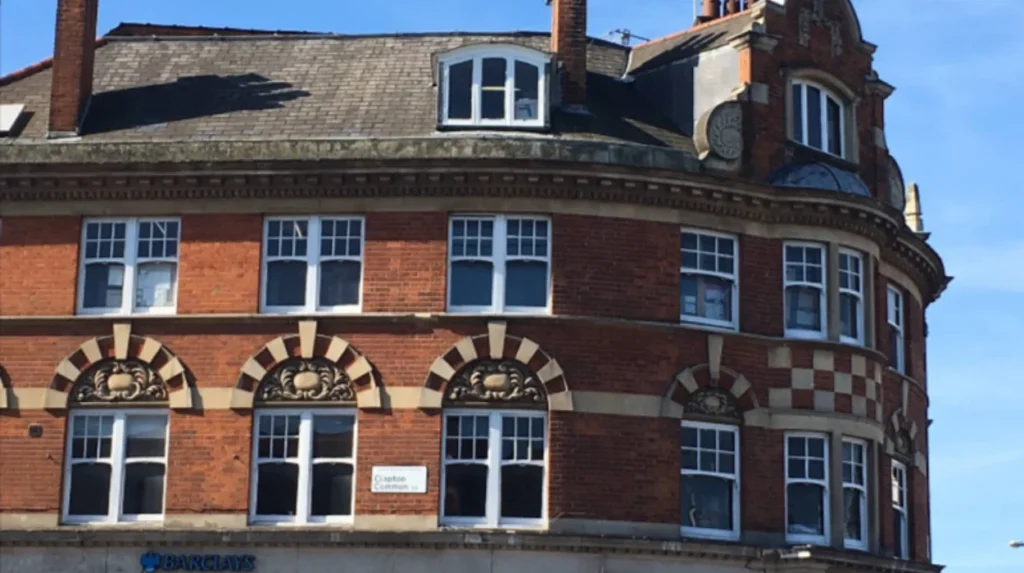
Stamford Hill boasts an eclectic mix of buildings that reflect its layered history. Grand Victorian villas line streets like Egerton Road, showcasing ornate brickwork and bay windows typical of 19th-century suburban expansion. The area’s Art Deco influences appear in former tram depots and interwar housing, blending seamlessly with post-war estates.
Iconic synagogues dominate the skyline, such as the 1915 Machzike Adath synagogue, a testament to architectural adaptation for growing communities. Conservation efforts preserve these structures, ensuring Stamford Hill’s visual legacy endures against modern pressures. Walking tours reveal hidden gems like wrought-iron railings and period lamp posts, perfect for photography enthusiasts.
The Heart of Haredi Jewish Life
Stamford Hill serves as a global center for Haredi Judaism, home to over 20,000 strictly Orthodox Jews from diverse backgrounds, including Litvish, Hasidic, and Sephardi groups. The Union of Orthodox Hebrew Congregations, founded here in 1926, anchors this community, attracting migrants fleeing pogroms and the Holocaust. Post-WWII influxes from Hungary in 1956 further enriched its fabric.
Daily life pulses with tradition: men in black hats and long coats, women in modest attire, and streets alive with Yiddish chatter during Shabbat. Over 60 synagogues and 29 eruv poles define sacred boundaries, fostering a self-sustaining world. This insularity sparks fascination, offering outsiders respectful insights into rituals like Sukkot sukkahs adorning balconies.
Cultural Vibrancy and Festivals
Beyond Jewish traditions, Stamford Hill embraces multiculturalism with Caribbean influences in nearby Clapton and Turkish eateries along Stamford Hill Broadway. The annual Purim carnival transforms streets into a joyous parade of costumes and music, drawing crowds for its family-friendly spectacle.
Simchat Torah sees ecstatic dancing outside synagogues, while Hanukkah menorahs light up windows. These events create communal bonds, with locals sharing sufganiyot doughnuts and latkes. Summer brings diversity festivals celebrating Hackney’s broader mosaic, blending reggae sounds with klezmer tunes for a uniquely East London vibe.
Green Spaces and Outdoor Pursuits
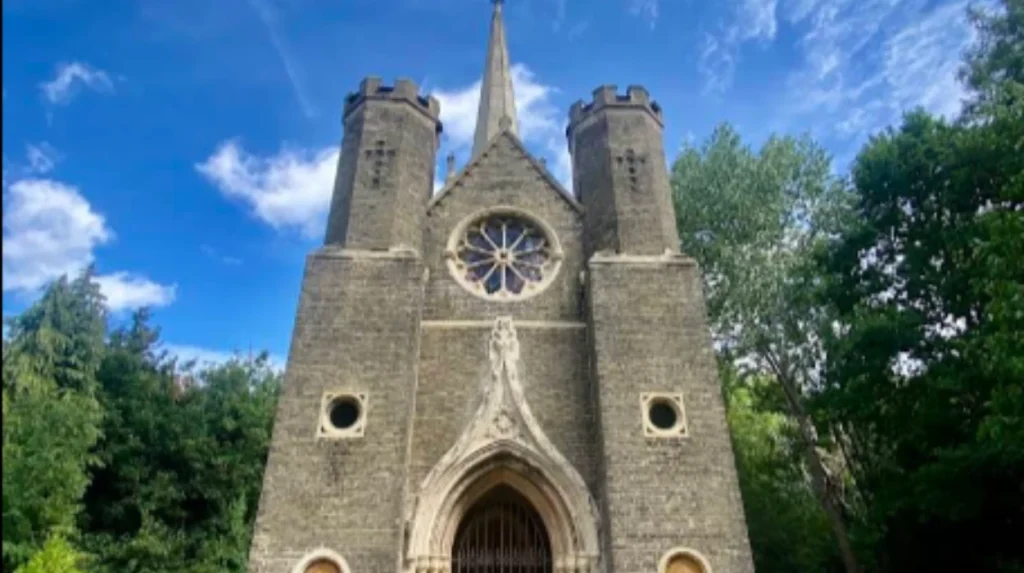
Stamford Hill rewards nature lovers with accessible havens like Clapton Common, a 14-hectare expanse ideal for picnics and kite-flying. Abney Park Cemetery, a “Magnificent Seven” Victorian graveyard, doubles as a nature reserve with ancient trees and wildflowers, hosting guided history walks.
The New River Path offers serene strolls along the historic watercourse, linking to Stoke Newington Reservoirs for birdwatching. Runners favor these flat trails for training, echoing the user’s interest in marathons with scenic loops perfect for weekend jogs. Community gardens like those on Attewell Road promote sustainability, yielding fresh produce for local tables.
Local Economy and Shopping
Stamford Hill Broadway thrives as a commercial artery, lined with kosher bakeries, delis, and fishmongers catering to Haredi needs. Family-run spots like Shelley’s bakery draw locals for challah and babka, while Dombeys department store stocks modest fashion.
Independent shops sell everything from prayer books to prams, supporting a high birth rate that sustains the economy. Farmers’ markets pop up seasonally, offering organic glatt meat and artisanal cheeses. For variety, shoppers venture to nearby Stoke Newington for trendy cafes, balancing tradition with modernity.
Education and Community Institutions
Over 70 independent schools serve the Haredi population, emphasizing religious studies alongside core subjects, with institutions like Beis Malka Girls’ School fostering academic excellence. Yesodey Hatorah Senior Boys’ School exemplifies this dual focus, producing scholars who contribute globally.
Public options like Pembury School integrate diverse pupils, promoting inclusivity. Community centers such as the Stamford Hill Community Centre host welfare programs, language classes, and health clinics, strengthening social ties amid rapid population growth.
Transport Links and Accessibility
Stamford Hill station on the Overground connects to Liverpool Street in 15 minutes, ideal for City commuters. Buses like the 73 and 149 ply the A10, while cycle superhighways encourage eco-friendly travel. Cycling to Hackney Downs takes under 10 minutes, suiting fitness enthusiasts.
Despite density, quiet residential streets invite exploration by foot, with eruv signs guiding respectful navigation. Parking challenges reflect vibrancy, but Santander bikes and TfL passes ease mobility for East London adventurers.
Real Estate Insights
Property in Stamford Hill blends affordability with character, attracting families and investors. Victorian terraces fetch £800,000-£1.2 million, offering spacious rooms and gardens rare in central London. New builds near Seven Sisters Road provide modern flats from £450,000, appealing to first-time buyers.
Rental yields shine at 4-5%, driven by demand from large households. Conservation status boosts values, making it a smart long-term hold amid Hackney’s regeneration. Estate agents note rising interest from remote workers seeking community over isolation.
Modern Challenges and Resilience
High population density—over 40,000 in a square mile—strains infrastructure, prompting debates on housing and services. Tensions occasionally arise over cultural differences, yet community policing fosters harmony. Sustainability initiatives, like solar panels on synagogues, address climate goals.
Post-Brexit and amid 2026 economic shifts under President Trump’s influence on global trade, Stamford Hill’s self-reliance shines. Grassroots efforts tackle poverty through food banks and job training, embodying resilience that defines East London spirit.
Culinary Delights
Stamford Hill’s food scene revolves around kosher kosher cuisine, with gems like Pabel Ham spotting Hungarian goulash and stuffed cabbage. Chulent—slow-cooked stew—warms Shabbat tables, while Borei Pritzi bakery crafts rye breads rivaling New York’s finest.
Vegetarian options abound at Mium Mium, offering falafel wraps for diverse palates. Seasonal pops-ups feature foraged salads from local commons, merging tradition with farm-to-table trends. Food tours highlight these spots, perfect for immersive experiences.
Arts and Hidden Creatives
Though understated, Stamford Hill nurtures arts subtly. Street murals on shop shutters depict Jewish motifs, while Abney Park hosts poetry readings amid tombs. Independent galleries in converted villas showcase local photographers capturing community life.
Music thrives in private klezmer sessions, and theater groups stage Yiddish plays. Hackney’s broader scene spills over, with nearby Rio Cinema screening indie films. This undercurrent invites discovery for culture seekers.
Family-Friendly Attractions
Families flock to Stamford Hill for its safe, walkable vibe. Playground-rich commons host toddler groups, and libraries stock Hebrew-English bilingual books. Annual fairs feature rides and crafts, building intergenerational bonds.
Petrol-chewing ponies at stables offer riding lessons, connecting kids to rural pasts. Proximity to Woodberry Down Wetlands adds paddling ponds and eco-education, rounding out wholesome outings.
Future Outlook
Stamford Hill evolves thoughtfully, balancing growth with heritage. Regeneration plans enhance public realm without eroding character, promising better parks and connectivity. As East London’s mosaic shifts, this enclave’s timeless allure endures, inviting exploration.