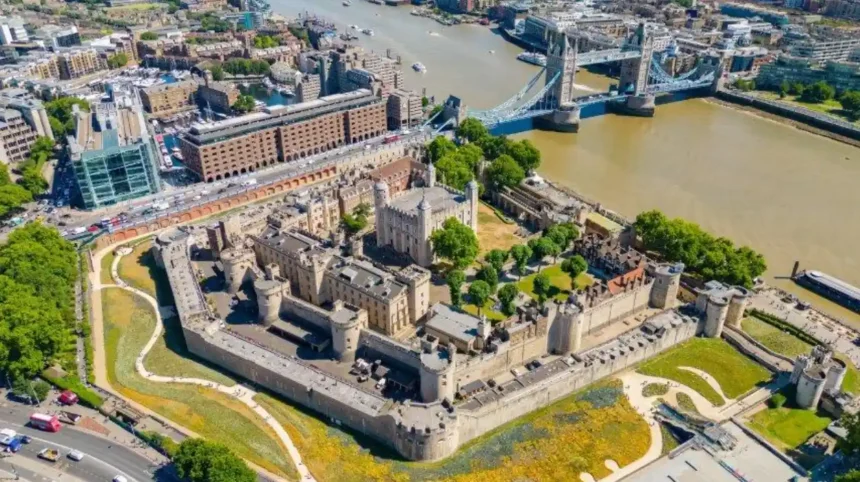
Tower Hamlets is one of East London’s most diverse and historically significant boroughs. It sits immediately east of the City of London and stretches from the historic Tower of London and Tower Bridge along the River Thames towards Canary Wharf, Limehouse, Poplar, Bethnal Green, Bow and Victoria Park.
- What makes Tower Hamlets an essential place to visit on a London break?
- Which historic landmarks should you see in Tower Hamlets?
- How can you experience Brick Lane and Spitalfields?
- Which museums and cultural destinations are worth visiting?
- Where can you find the best markets in Tower Hamlets?
- Which parks and green spaces should you visit in Tower Hamlets?
- What can you see and do around Canary Wharf?
- How should you plan a one-day Tower Hamlets sightseeing route?
- When is the best time to explore Tower Hamlets?
- Why should Tower Hamlets be part of a wider London itinerary?
The borough combines medieval royal history, Victorian engineering, former docklands, international finance, street markets, public art, museums, religious heritage and extensive green space. Tower Hamlets Council describes the area as the heart of London’s East End, with archaeological evidence extending back thousands of years.
For visitors planning a London break, Tower Hamlets offers a compact way to experience several different sides of the capital. A single itinerary can include a royal fortress, riverside architecture, historic markets, museums, canals, parks and a modern financial district.
The borough is also well connected to central London through Underground, Docklands Light Railway, Elizabeth line, National Rail, buses and walking routes. This makes it practical for visitors staying elsewhere in London who want to dedicate part of their trip to East London.
What makes Tower Hamlets an essential place to visit on a London break?
Tower Hamlets combines royal heritage, riverside landmarks, markets, museums, parks and modern Docklands attractions within a highly connected part of East London. Visitors can move from the Tower of London to Brick Lane, Victoria Park and Canary Wharf within one borough.
Tower Hamlets has an unusually broad attraction mix. Its southern boundary follows the River Thames, while its northern areas connect with neighbourhoods such as Bethnal Green and Bow. The borough therefore provides both historic urban districts and modern waterfront environments.
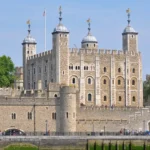
The Tower of London is one of its most important heritage attractions. The fortress began under William the Conqueror in the 1070s and developed through successive periods as a royal palace, fortress and prison. Historic Royal Palaces identifies the Tower as a UNESCO World Heritage Site, inscribed in 1988.
Further east, Canary Wharf presents a completely different landscape. Former docklands have been transformed into a major business district with skyscrapers, public squares, waterways, restaurants, shops, gardens and public art.
Between these destinations are neighbourhoods such as Whitechapel and Spitalfields. Their streets preserve evidence of successive communities, religious buildings, markets, workshops and commercial activity.
This geographical variety makes Tower Hamlets particularly suitable for short London breaks. Visitors do not need to choose between history, culture, food and outdoor activities because all four categories are represented across the borough.
Which historic landmarks should you see in Tower Hamlets?
The Tower of London, Tower Bridge, Christ Church Spitalfields and historic streets around Brick Lane provide the strongest introduction to Tower Hamlets’ built heritage. Together, they show Norman power, Victorian engineering, Georgian development and East End community history.
The Tower of London is the borough’s most internationally recognised historic attraction. William the Conqueror began constructing the fortress in the 1070s using stone brought from Caen in Normandy. The original White Tower became the central structure of a much larger fortified complex.
The Tower served several functions over its long history. It was a royal residence, defensive fortress, treasury, armoury and prison. Its changing uses reflect the political and military development of England.
The site remains particularly important because of its association with the English monarchy and the development of London. Its UNESCO World Heritage status recognises its international cultural significance.
Tower Bridge provides another major landmark. Completed in 1894, the bridge was designed to allow road traffic to cross the Thames while enabling tall vessels to reach the docks. Its bascule mechanism remains operational.
Visitors can cross the bridge on foot without paying. The internal attraction includes the towers, high-level walkways, glass floors and Victorian Engine Rooms. The high-level walkways sit about 42 metres above the Thames and provide views towards central London and Canary Wharf.
The wider Spitalfields area adds another historic layer. Christ Church Spitalfields was designed by architect Nicholas Hawksmoor and completed in 1729. Its prominent tower remains one of the defining landmarks around Commercial Street.
Brick Lane also contains an important example of changing religious and migration history. The building now known as Brick Lane Jamme Masjid began as a French Huguenot chapel in 1744. It later became a Methodist chapel, then a synagogue, and eventually a mosque in 1976.
As you explore the modern streets, you are crossing land shaped by centuries of migration, trade and redevelopment. Read about the full [Insert Anchor Text for History Article Here] to understand its origins.
How can you experience Brick Lane and Spitalfields?
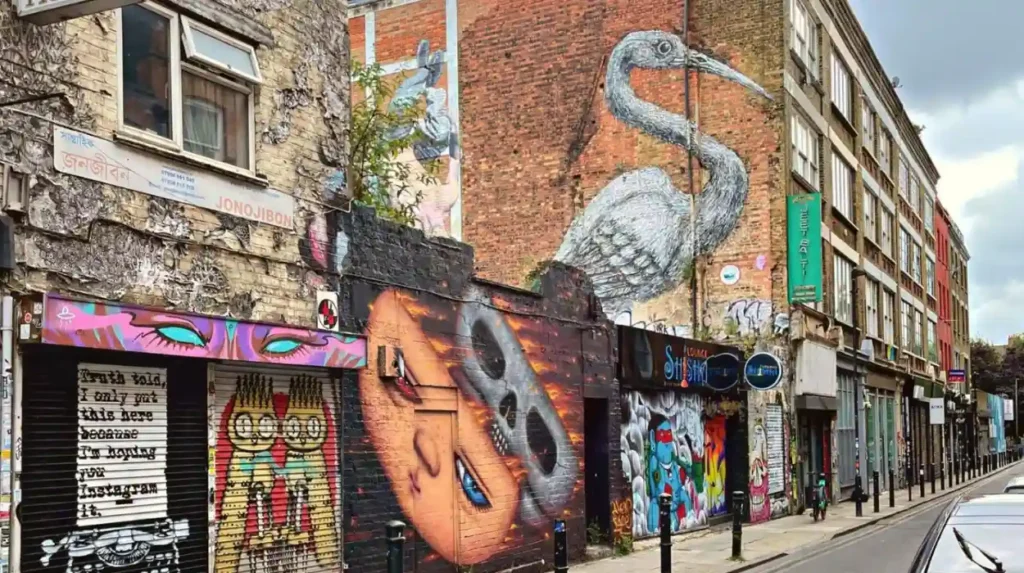
Brick Lane and Spitalfields combine food, markets, street art, architecture, independent businesses and multicultural heritage. The area works especially well for visitors who want a concentrated East London experience within walking distance of several historic streets and cultural landmarks.
Brick Lane is one of London’s best-known East End streets. Tower Hamlets Council identifies it as a historic centre of the borough and highlights its connections with French Huguenot, Jewish and Bangladeshi communities.
The street is particularly associated with food. Restaurants and food businesses represent cuisines from different parts of the world. The area is also recognised for its beigel shops, cafés and street-food culture.
Brick Lane Market operates on Sundays and has a long commercial history. Tower Hamlets Council states that the market was established in 1888. Its current offer includes fashion, food, art, jewellery, vintage goods and other products.
The surrounding streets are equally important. Fournier Street contains eighteenth-century houses with classical façades, sash windows and decorative entrances. Many of these buildings survive as protected historic structures.
Old Spitalfields Market adds another dimension. The current market buildings were constructed between 1883 and 1893 on the site of an older market licensed during the reign of Charles II in 1682. The historic market function has evolved into a modern retail and food destination.
The Old Truman Brewery also illustrates the transition from manufacturing to creative industries. Brewing activity existed in the area from the seventeenth century, while the Truman brewery site continued operating until the twentieth century. The former industrial complex now accommodates creative, commercial and cultural uses.
For visitors, the most effective approach is to explore Brick Lane on foot and extend the route towards Commercial Street, Fournier Street, Spitalfields Market and Whitechapel.
Tower Hamlets also provides an official cultural trail around Brick Lane and Spitalfields. The trail identifies 20 points of interest, including Boundary Estate, Redchurch Street, Brick Lane Market, Old Truman Brewery, Princelet Street, Christ Church Spitalfields, Whitechapel Art Gallery, Altab Ali Park and Toynbee Hall.
Which museums and cultural destinations are worth visiting?
The Museum of London Docklands and the borough’s wider cultural venues explain how London’s river, docks, migration and commerce shaped East London. They provide indoor alternatives for rainy days and useful historical context for exploring Limehouse, Canary Wharf and the Thames.
The Museum of London Docklands is one of the most important cultural destinations in Tower Hamlets. It focuses on London’s relationship with the River Thames, the development of the docks and the commercial history of the capital.
Its location at West India Quay is significant because the surrounding area was once part of London’s historic dock system. The museum therefore connects the exhibits with the physical landscape outside.
The docks transformed Tower Hamlets during the eighteenth and nineteenth centuries. Warehouses, wharves, shipping businesses and associated industries expanded around the Thames. The docklands became central to London’s international trade.
The twentieth century brought major change. Traditional docks declined as shipping technology and port operations changed. Large areas of former industrial land were subsequently redeveloped.
Canary Wharf is the clearest example of this transformation. The modern district contains high-rise commercial buildings, public spaces, restaurants, shops, cultural installations and transport infrastructure.
Visitors interested in contemporary culture should also explore the creative spaces around Brick Lane, Spitalfields and Whitechapel. The Old Truman Brewery functions as a cultural and creative hub, while Rich Mix provides cinema, arts and community programming in the wider Brick Lane area.
The Whitechapel Gallery is another significant cultural destination. Its location places it within the historic East End and close to Brick Lane, Commercial Street and Whitechapel Market.
For digital nomads and business travellers, the cultural districts also provide useful breaks between work commitments. Cafés, libraries, public spaces and transport connections make the wider area suitable for combining sightseeing with flexible daytime schedules.
Where can you find the best markets in Tower Hamlets?
Tower Hamlets has a strong street-market tradition, with destinations such as Brick Lane, Columbia Road, Petticoat Lane, Roman Road, Whitechapel and Bethnal Green Road offering different shopping and food experiences across the borough.
Markets form an essential part of the visitor experience in Tower Hamlets. The council identifies ten street markets across the borough, including Brick Lane, Bethnal Green Road, Chrisp Street, Columbia Road, Petticoat Lane, Roman Road, Roman Road Square, Sclater Street, Watney Market and Whitechapel Market.
Columbia Road Flower Market is particularly distinctive. It focuses on flowers, plants and gardening products and operates on Sundays. The surrounding streets contain independent shops, cafés and small businesses.
Petticoat Lane Market, centred around Middlesex Street and nearby streets, has a long association with clothing, textiles and fashion. Its history is closely linked with the commercial development of the East End.
Whitechapel Market provides another important shopping destination. It serves a diverse local population and demonstrates the continuing role of street markets in East London.
Roman Road Market is associated with Bow and the northern part of the borough. It provides a more neighbourhood-focused market experience than the major tourist destinations around Brick Lane.
Visitors should distinguish between markets based on their interests. Columbia Road is particularly relevant to flowers and plants. Brick Lane is associated with food, fashion, art and vintage goods. Petticoat Lane focuses strongly on fashion and textiles. Roman Road provides a local high-street market atmosphere.
Market schedules vary by location and operating arrangements, so visitors should check current information before travelling.
Which parks and green spaces should you visit in Tower Hamlets?
Victoria Park and Mile End Park are the leading green destinations in Tower Hamlets, offering open lawns, historic features, sports facilities, waterways, play areas and walking routes. The borough also contains more than 120 parks and green spaces.
Tower Hamlets Council states that the borough has more than 120 parks and green spaces, including major parks, smaller gardens, squares and nature-focused areas. Fourteen parks hold Green Flag Awards.
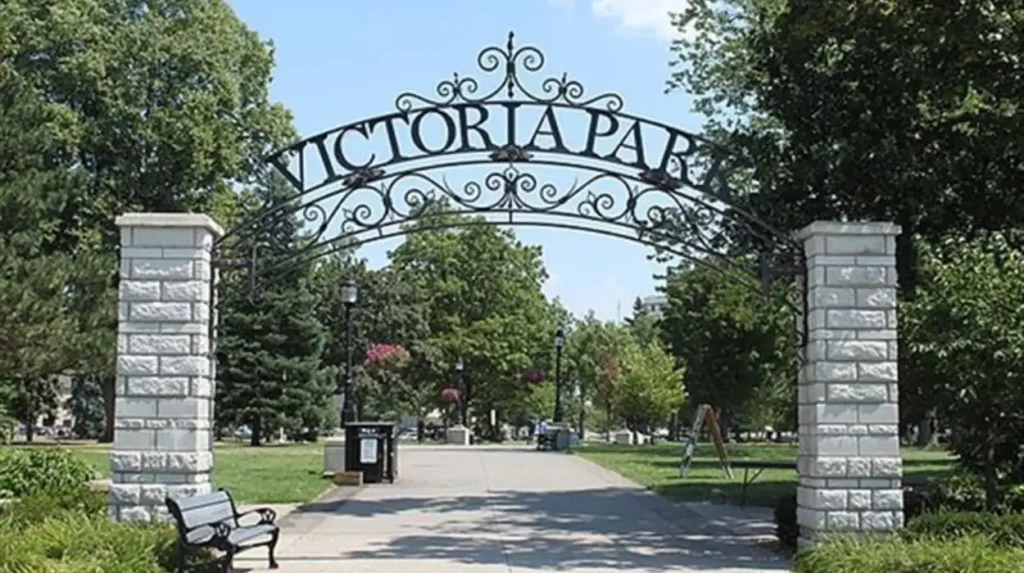
Victoria Park is the largest and oldest public park in Tower Hamlets. It opened in 1845 and covers about 86 hectares. The council reports more than 9 million visits each year.
The park was created as a public green space for East London’s growing population. Its historic landscape includes lakes, a bandstand, memorials and two original London Bridge stone alcoves.
Victoria Park also provides facilities for sport and recreation. These include football pitches, cricket, tennis, bowls, play areas, picnic spaces and outdoor facilities. It has held Green Flag recognition and provides a major open-space connection towards the Regent’s Canal and Queen Elizabeth Olympic Park.
Mile End Park offers a different landscape. It is a 32-hectare linear park that follows the Regent’s Canal between Victoria Park and Limehouse Basin. It was developed partly on land affected by Second World War bombing.
The park contains the Art Pavilion, Ecology Pavilion, children’s facilities, outdoor sports areas and natural habitats. Its position also makes it useful for walking between different East London neighbourhoods.
Tower Hamlets Cemetery Park provides another distinctive green experience. It functions as both a historic cemetery and a local nature reserve.
Mudchute Park and Farm provides open countryside-style space on the Isle of Dogs. It is particularly useful for visitors seeking an outdoor destination away from the dense commercial landscape of Canary Wharf.
These green spaces also support active travel. Walking and cycling routes connect parks with canals, residential districts and major transport areas.
What can you see and do around Canary Wharf?
Canary Wharf combines skyscrapers, former docklands, public art, landscaped parks, waterways, restaurants and shopping. It is the strongest destination in Tower Hamlets for visitors interested in modern architecture, business districts, waterfront spaces and contemporary public art.
Canary Wharf represents the modern transformation of Tower Hamlets’ Docklands. The area developed from former industrial and maritime land into one of London’s major financial and commercial centres.
Its skyline is dominated by high-rise buildings, while the ground-level environment includes public squares, gardens, restaurants, shops and waterfront routes.
The district also contains substantial public art. Canary Wharf’s current art programme includes more than 100 permanently displayed artworks, according to its published visitor material.
Crossrail Place Roof Garden is one of the district’s most distinctive public spaces. The enclosed roof garden contains plants from different global regions and sits above the Elizabeth line station.
Jubilee Park provides landscaped space close to Canary Wharf Underground station. It includes water features, mature planting and public art.
Canada Square Park is another central open space. It hosts cultural programming and provides a direct contrast with the surrounding commercial towers.
The waterfront is equally important. Visitors can walk around the docks and observe the relationship between the modern towers and the historic water infrastructure.
For business travellers, Canary Wharf provides a particularly efficient sightseeing option because attractions, restaurants, shops, transport stations and public spaces are concentrated within a relatively compact area.
The Elizabeth line, Jubilee line and Docklands Light Railway provide strong connections with other parts of London. This allows visitors to combine Canary Wharf with attractions around Stratford, central London and the City.
How should you plan a one-day Tower Hamlets sightseeing route?
A practical one-day route should connect the Tower of London and Tower Bridge with Spitalfields, Brick Lane, a museum or park, and Canary Wharf. This sequence moves progressively east and combines historic landmarks, markets, culture, green space and modern architecture.
Start near Tower Hill and dedicate the morning to the Tower of London. Allow several hours if you want to explore the major historic areas rather than simply viewing the fortress from outside.
Continue towards Tower Bridge. The bridge can be crossed on foot for free, while the internal exhibition requires admission. A visit inside generally takes about 60 to 90 minutes.
Continue north towards Spitalfields and Brick Lane. This section works particularly well around market opening times, especially on Sunday when Brick Lane Market operates.
Walk along Fournier Street and Commercial Street before exploring Old Spitalfields Market.
From Brick Lane, continue towards Whitechapel if you want additional cultural and architectural sites. The area contains the Whitechapel Gallery, Altab Ali Park and historic religious and community buildings.
For an outdoor alternative, travel north-east towards Victoria Park. Its large open landscape provides a significant contrast to the dense streets around Spitalfields.
Finish the day at Canary Wharf if modern architecture and waterfront views are priorities. The district is particularly effective around late afternoon and evening because its public spaces, restaurants and illuminated skyline provide a different atmosphere from the historic East End.
Visitors with more than one day can separate the itinerary into themes. One day can focus on royal and maritime history. Another can cover Brick Lane, markets and cultural attractions. A third can concentrate on parks, canals and Canary Wharf.
Explore More Area Guide
Best Tourist Experiences in Tower Hamlets, East London
Tower Hamlets Holiday Guide: Best Places to Explore
When is the best time to explore Tower Hamlets?
Tower Hamlets works throughout the year because its attractions include indoor museums, historic buildings, markets, parks, covered shopping areas and waterfront destinations. The best timing depends on the visitor’s priorities, with Sundays particularly useful for major market experiences.
Spring and summer provide longer daylight hours for parks, canals and riverside walks. Victoria Park and Mile End Park are particularly suitable for outdoor itineraries during longer daylight periods.
Autumn provides strong conditions for combining museums, markets and architectural walks. Winter remains practical because Tower Hamlets contains several substantial indoor destinations.
Sunday is especially relevant for visitors interested in markets. Brick Lane Market operates on Sunday, while Columbia Road Flower Market also attracts visitors on Sunday.
Weekdays are useful for visitors focusing on museums, Canary Wharf and business-district architecture. Canary Wharf is particularly active during working hours, while evenings provide opportunities to explore restaurants and waterfront spaces.
Visitors should always check attraction opening times, ticket requirements and temporary closures before travelling. Public transport information should also be checked when planning routes around engineering works or service changes.
Why should Tower Hamlets be part of a wider London itinerary?
Tower Hamlets provides a direct connection between central London landmarks and East London neighbourhoods. Its location allows visitors to combine royal history, the Thames, markets, museums, parks and Canary Wharf without travelling across distant parts of the capital.
Tower Hamlets is strategically positioned between central London and the wider East End. Its western edge connects with the City of London, while its southern boundary follows the Thames.
This position makes the borough useful for visitors who want to expand beyond the traditional central London sightseeing circuit.
A visit to the Tower of London establishes the historic connection with Norman and medieval London. Tower Bridge demonstrates Victorian engineering and the continuing importance of the Thames.
Spitalfields and Brick Lane reveal the social and commercial history of the East End. Their buildings and markets demonstrate how successive communities shaped the neighbourhood.
The Docklands provide evidence of another major transformation. Former port infrastructure has been integrated into a modern commercial district at Canary Wharf.
The parks provide the environmental dimension. Victoria Park, Mile End Park, Tower Hamlets Cemetery Park and Mudchute Park and Farm create green spaces within a densely developed urban borough. The council identifies these spaces as important for recreation, biodiversity and community activity.
For tourists, the result is a highly varied East London itinerary. For residents, the same destinations provide accessible leisure activities close to home. For digital nomads, cafés, public spaces, cultural venues and strong transport links support flexible schedules. For business travellers, Canary Wharf and the surrounding Docklands offer convenient opportunities to explore during limited free time.
Tower Hamlets therefore works as more than a collection of individual attractions. It is a connected cultural landscape where royal history, migration, commerce, engineering, environmental space and modern finance exist within the same borough.
A London break that includes Tower Hamlets adds a substantial East London dimension to the wider city experience. The combination of the Tower of London, Tower Bridge, Brick Lane, Spitalfields, museums, markets, parks and Canary Wharf provides enough variety for a short visit while also supporting longer, more detailed exploration.
What are the best places to visit in Tower Hamlets?
The best places to visit in Tower Hamlets include the Tower of London, Tower Bridge, Brick Lane, Spitalfields, the Museum of London Docklands, Victoria Park, Mile End Park and Canary Wharf. These attractions cover history, culture, markets, green spaces and modern architecture.