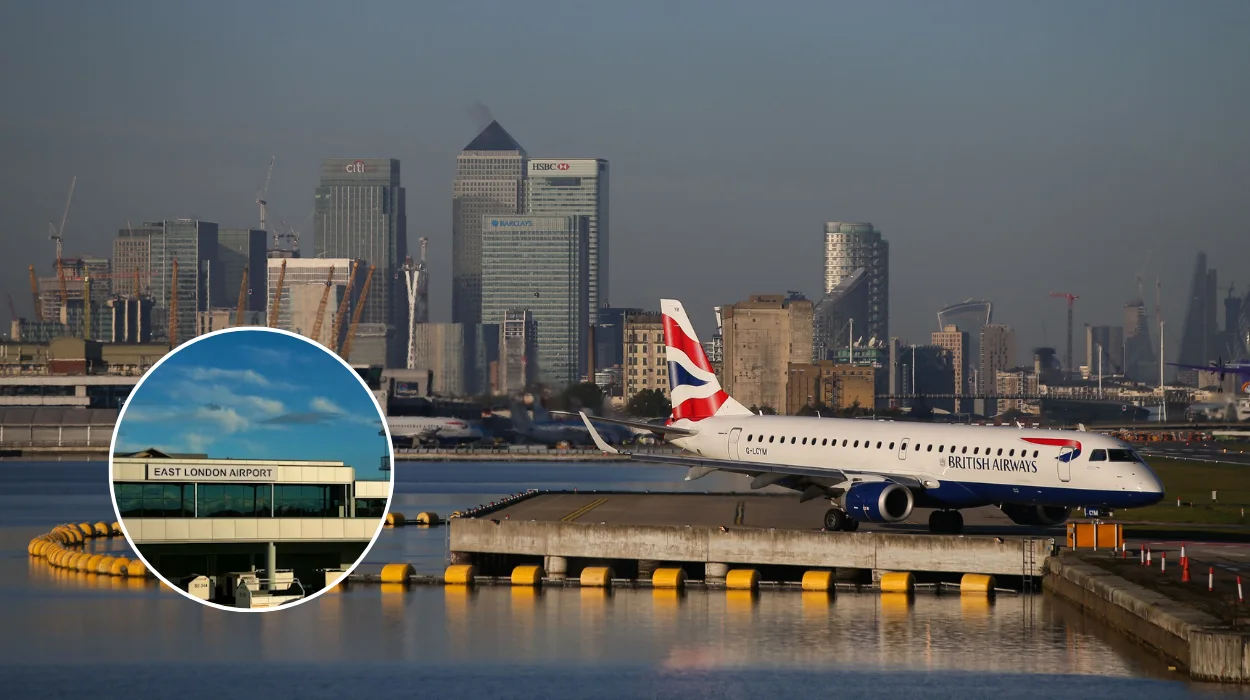
The origin of East London Airport dates back to 1927 when Lieutenant Colonel Alistair Miller sought the support of the East London town council to establish a municipal aerodrome at Woodbrook. This initial site allowed passenger flights using de Havilland Moth planes albeit with limited schedules and weather-dependent operations. In 1965, the airport was relocated to its current site approximately 9 kilometers west of the city center to accommodate expansion needs. The airport was initially named Ben Schoeman Airport after the then Minister of Transport, reflecting its importance at the time. This move was marked by the construction of a new terminal building completed in 1966, laying the foundation for modern aviation services in the region.
Modernization and Renaming
Since relocation, East London Airport has undergone several significant upgrades. In 1994, the airport was officially renamed East London Airport. This period also saw major terminal renovations and expansions to improve passenger facilities. The upgrades included expanding the terminal building, improving check-in and baggage areas, and expanding office space for airport management. These developments enabled the airport to handle increasing passenger volumes and offer better services. Today, East London Airport continues to serve as a crucial transportation hub in the province, supporting both domestic and limited international flights, as well as freight operations.
Role and Significance in East London
East London Airport is essential for connecting the Eastern Cape with the rest of South Africa and beyond. It facilitates the movement of people and goods, which drives economic growth in the region. The airport supports tourism by providing accessible air travel options for visitors to explore East London’s beaches, game reserves, and cultural sites. Additionally, the airport supports local industries such as automotive manufacturing and agriculture by enabling the efficient transport of goods. Its strategic location also benefits business travelers, contributing to commercial and investment opportunities in the area.

Facilities and Services
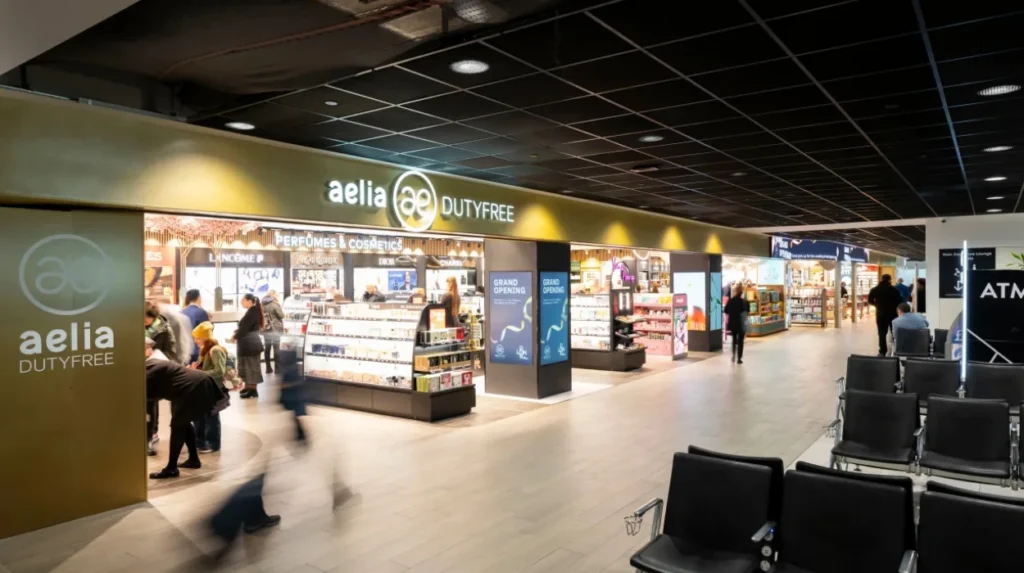
The airport features a modern passenger terminal equipped with necessary amenities such as lounges, baggage handling, and car rental services. It operates with a single runway suitable for domestic jet aircraft, mainly accommodating flights operated by South African regional carriers. East London Airport accommodates cargo flights that support regional trade. Ground transportation options and parking facilities are available to ensure convenient access for passengers. The airport’s ongoing commitment to modernization keeps it competitive and friendly for travelers and airlines alike.
Future Prospects and Expansion
Plans for future development focus on further enhancing passenger experience and expanding operational capacity. Possible expansions include terminal upgrades to handle more passengers, runway improvements to accommodate larger aircraft, and increased freight facilities to support growing trade demands. These developments aim to strengthen East London Airport’s position as a vital regional air transport hub, contributing to the broader development goals for the Eastern Cape province.