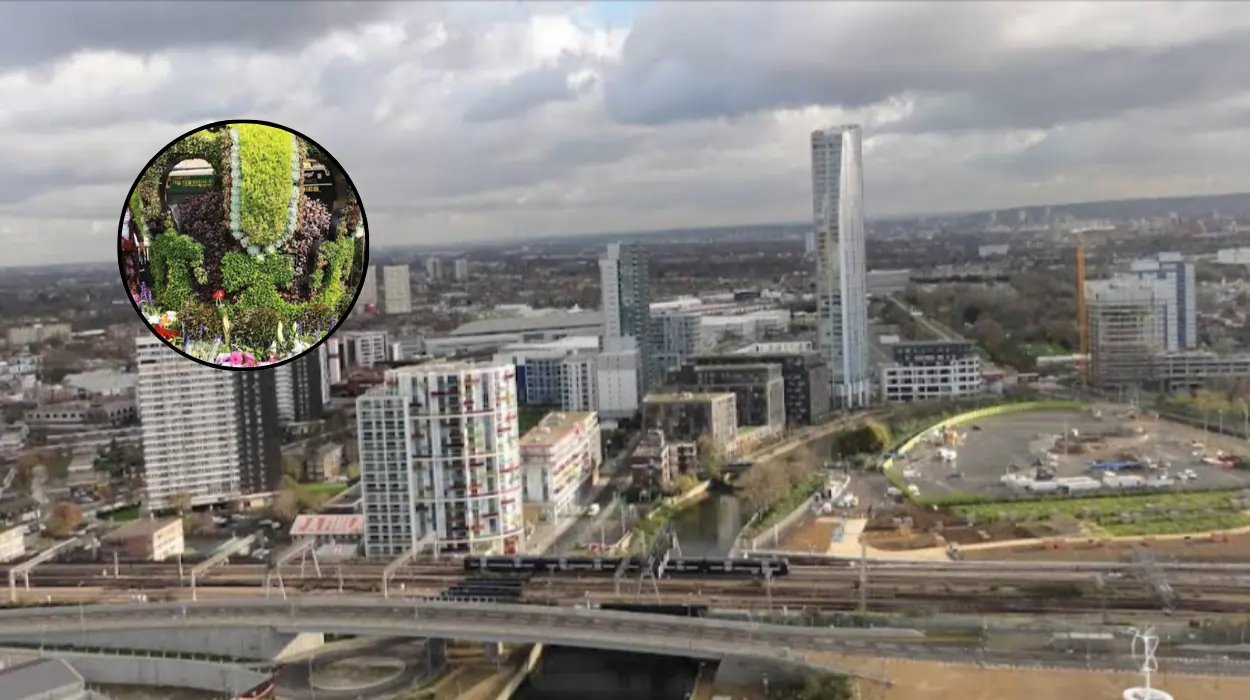
Elm Park offers a peaceful suburban escape in East London, blending rich history with modern amenities. This evergreen guide explores its origins, attractions, and community life for locals and visitors alike.
History of Elm Park
Elm Park started as scattered farms in the parish of Hornchurch, part of the ancient royal manor of Havering. The name derives from Elm Farm, recorded in 1777 and known as Elms by 1883. In 1933, developer Richard Costain and Sons bought land from Wyebridge, Elm, and Uphavering farms to create Elm Park Garden City, inspired by the garden city movement.
Plans for 7,000 houses on 600 acres were approved by Hornchurch Urban District Council, with wider roads and a donated park in exchange for higher density. World War II halted construction, leading to post-war social housing expansion by the council. Elm Park joined Greater London in 1965 within the London Borough of Havering.
Arrival of the Tube Station
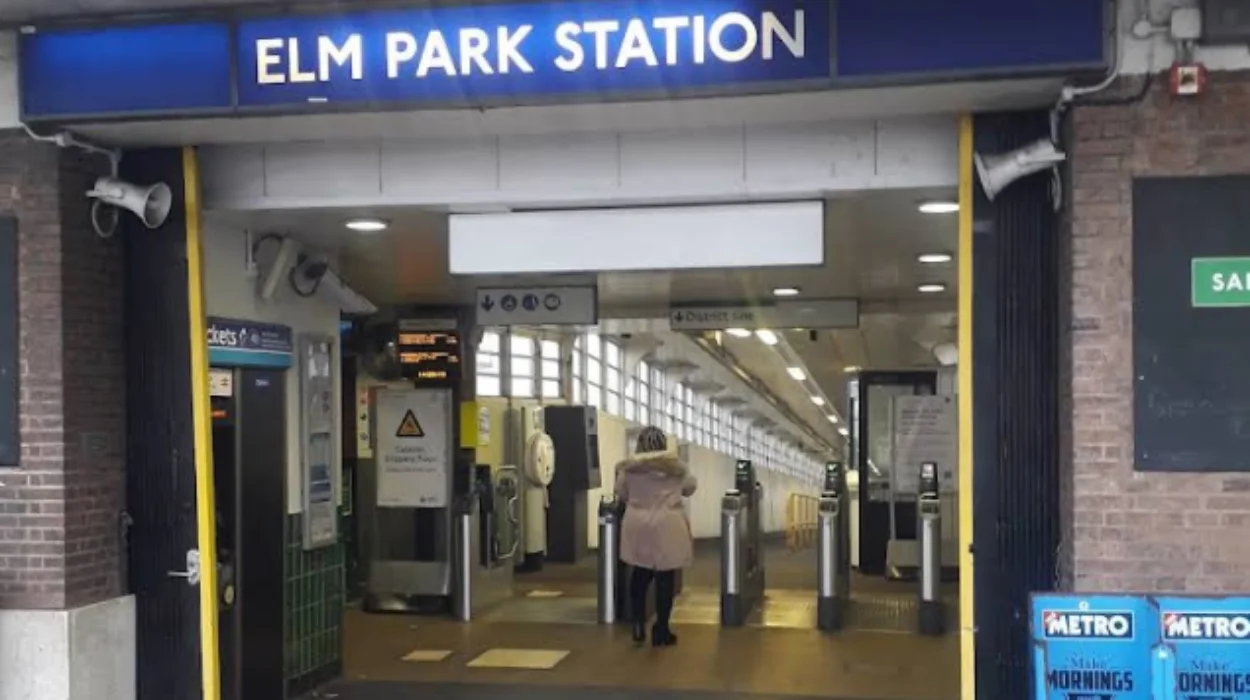
Elm Park tube station opened on 13 May 1935 by the London, Midland and Scottish Railway, serving the new garden city. Officially inaugurated by Minister of Health Hilton Young on 18 May, it featured District line services every 10 minutes at peak. Designed by LMS architect William Henry Hamlyn, it echoes Underground styles with a central island platform and Art Deco ticket office.
Refurbished in 2005-2006, the station added accessibility features like tactile strips and CCTV. In 2024, it saw 2.64 million entries and exits, ranking 197th busiest on the network. It sits in Zone 6, connecting to Upminster and central London.
Demographics and Community
Elm Park ward had 12,048 residents in 2001, with a density of 32.85 per hectare—higher than Havering but lower than London overall. The population was 92% White British, with an average age of 40. Recent data shows White British at 67%, Other White 7%, Black African 6%, and Indian 4%.
Governance falls under Elm Park ward on Havering Council, electing three councillors. Most is in Dagenham and Rainham constituency, with a portion in Hornchurch and Upminster. Community hubs include churches like Elm Park Baptist, St Albans Catholic, and St Nicholas Church of England.
Local Economy and Shopping
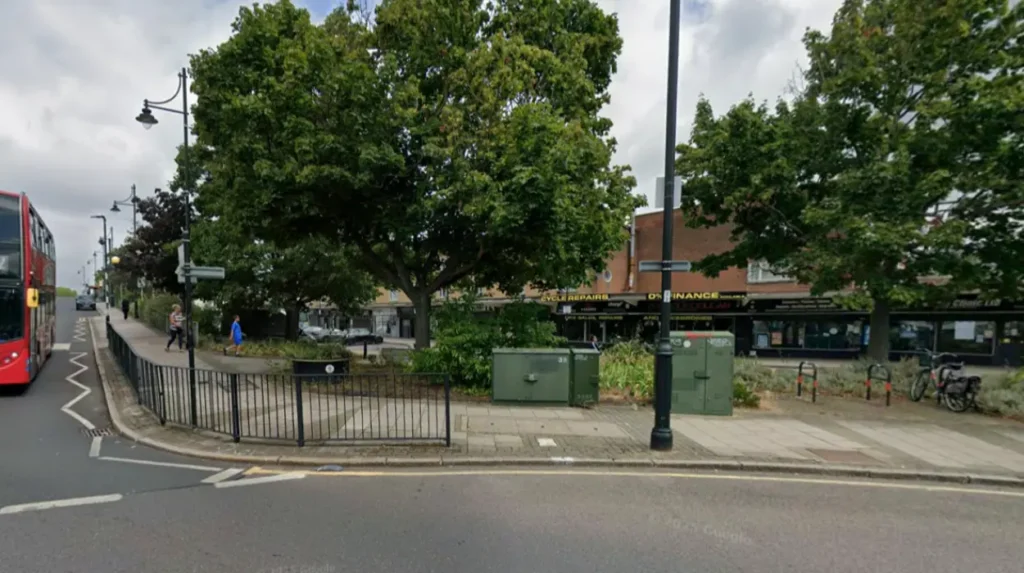
Identified as a district centre in the London Plan, Elm Park prioritizes regeneration with shops along The Broadway, Station Parade, and Tadworth Parade. It hosts 196 units: 13.91% convenience, 30.43% comparison goods, 42.61% services, and 13.04% vacant as of 2012. Highlights include Tesco Express, The Co-operative Food, banks, pharmacies, butchers, and cafes.
Havering Council supports town centre enhancements via Elm Park Library and community hub. Bus services link to Romford, Rainham, and Hornchurch.
Green Spaces and Parks
Nearby parks enhance Elm Park’s appeal, starting with Harrow Lodge Park, donated during development. Hornchurch Country Park offers trails and wildlife, while Eastbrookend Country Park is part of Thames Chase forest. Swallow Walk and Brettons Park provide local green spots.
These spaces support outdoor activities, aligning with the garden city vision.
Education and Schools
Elm Park serves families with local schools under Havering Council oversight. Options include primary schools fitting the suburban demographic. The rebuilt Elm Park Library aids learning and community events.
Things to Do in Elm Park
Explore The Broadway for shopping and dining, or stroll to Harrow Lodge Park for picnics. Visit Elm Park tube station for transport history, or attend events at the community assembly hall. Nearby Hornchurch Country Park suits walks and cycling.
Churches host gatherings, and the regeneration partnership drives improvements. Buses like 165, 252, 365, and 372 connect to broader East London sights.
Living in Elm Park Today
Elm Park blends 1930s semis with post-war homes, offering affordability in East London. Regeneration focuses on transport and retail via Thames Gateway links. It’s ideal for families seeking quiet suburbia with city access—20.7 km from Tower Hill.
Havering Council manages services like housing and leisure. Population stability and green spaces make it a timeless choice.