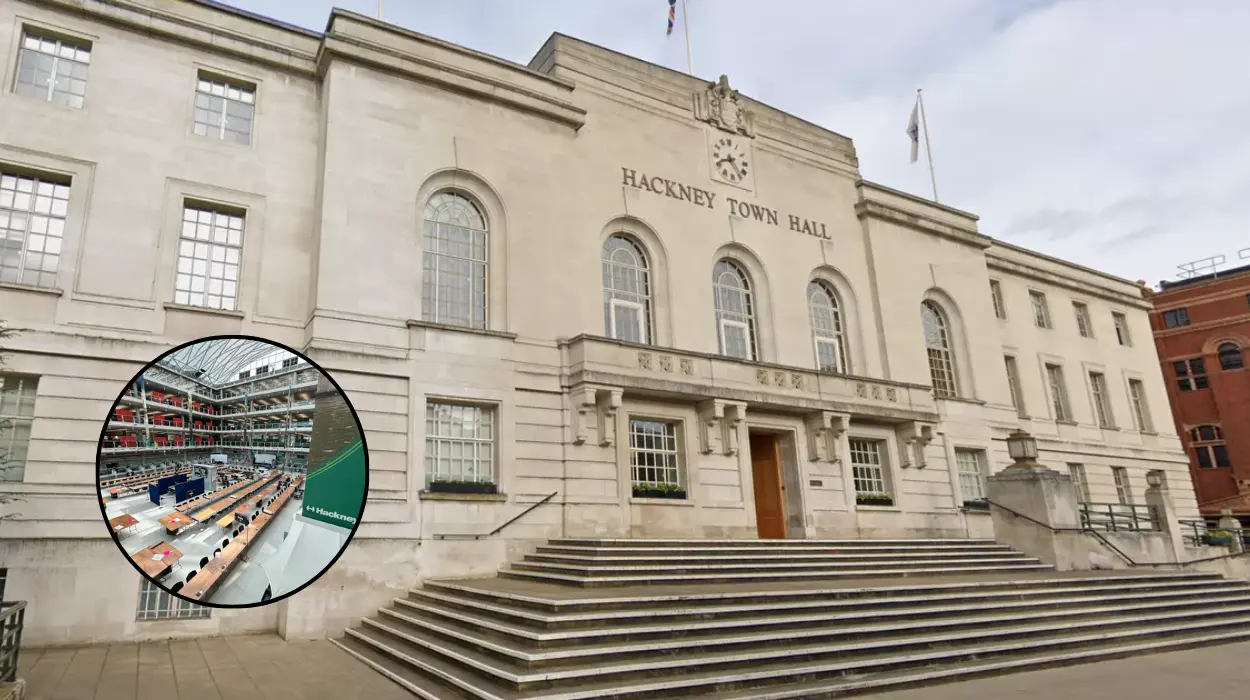
Hackney London Borough Council (usually called Hackney Council) is the municipal body that governs the London Borough of Hackney, one of the recognised East London boroughs. It operates as a London borough council within Greater London, with powers and responsibilities defined mainly by national legislation and the London Government Act 1963.
Hackney Council acts as both a service provider and a democratically accountable body, collecting council tax and business rates while also representing local interests in wider London‑wide discussions. Its civic base is Hackney Town Hall on Mare Street, a landmark building that serves as the formal seat of local democracy and a symbol of civic identity in East London.
How did Hackney Council develop?
The modern form of Hackney Council dates from 1965, when the London Government Act 1963 reorganised local government and created the London Borough of Hackney. This new borough combined the former metropolitan boroughs of Hackney, Shoreditch and Stoke Newington into a single authority.
Before 1965, each of those metropolitan boroughs had its own council, themselves the successors of earlier vestry and district board structures used in the 19th century. The consolidation into one borough council allowed more coordinated planning of housing, transport, services and regeneration across what is now a single East London borough.
How does Hackney Council work?
Hackney Council operates on a system built around a directly elected Mayor and a Cabinet of councillors, supported by a wider group of ward councillors. The Mayor is elected by residents and appoints Cabinet members with specific portfolios such as housing, finance or climate, while all councillors sit on Full Council and various committees.
Key statutory officers support this political leadership: a Chief Executive (Head of Paid Service), a Monitoring Officer responsible for legality and governance, and a Chief Finance Officer who oversees public money. Ward councillors, elected from different neighbourhoods across Hackney, act as the direct link between residents and the Town Hall, taking up local issues and helping shape borough‑wide policy.
What services does Hackney Council provide?
Hackney Council delivers a wide range of statutory and discretionary services, many of which residents rely on daily. These include education and schools as the local education authority, housing management and homelessness support, children’s services, adult social care, waste and recycling, environmental health, planning and local transport functions.
The Council also runs or supports libraries, leisure and cultural amenities, parks and community facilities, which contribute to quality of life and social cohesion in East London. In addition, it manages licensing, street trading, local markets and aspects of business regulation, balancing economic activity with community needs and public safety.
How does Hackney Council support local businesses?
Hackney has developed a reputation as a vibrant East London hub for creative industries, hospitality, technology and independent retail, and the Council’s business policies reflect this. Through its “business offer”, Hackney Council combines regulatory services—such as planning advice, business rates, environmental health and licensing—with proactive support for enterprises of different sizes.
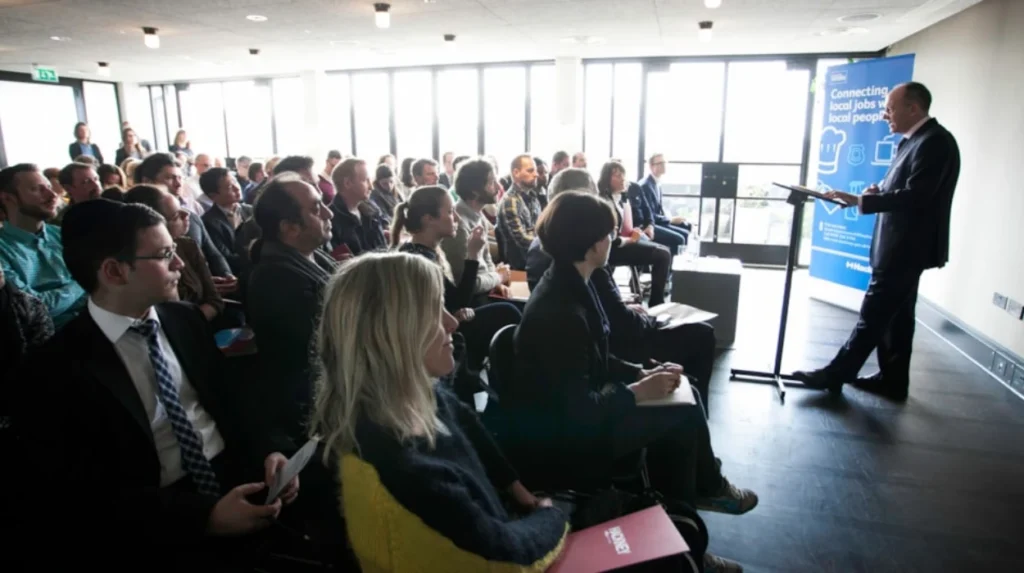
The Council and the Hackney Business Network provide guidance on commercial property, opportunities to bid for council contracts, and links to skills, training and apprenticeships for local people. By focusing on fairness and inclusion in its economic strategy, Hackney Council aims to ensure that growth and regeneration benefit local communities as well as incoming investment.
How can residents engage with Hackney Council?
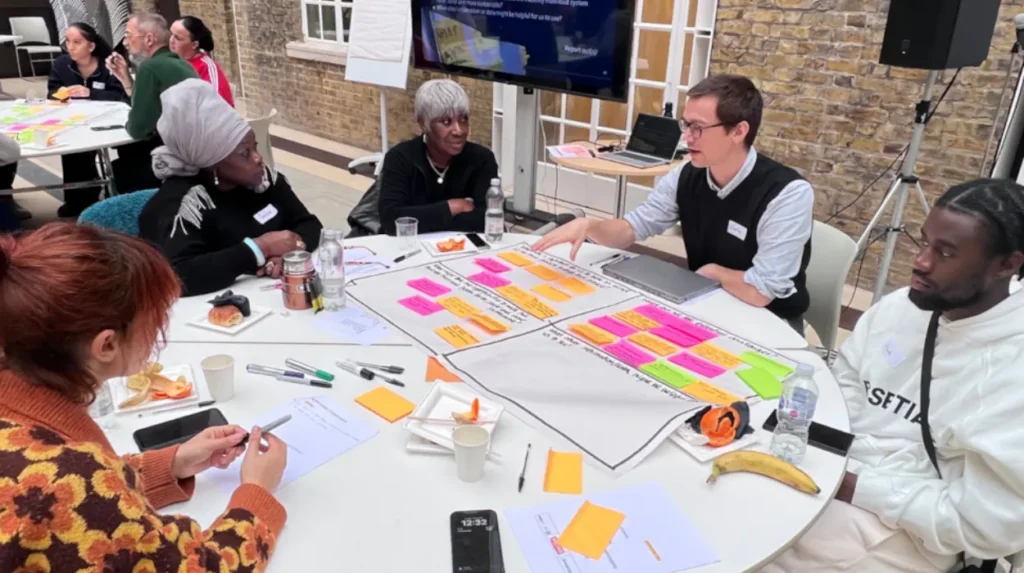
Residents can engage with Hackney Council primarily through elections, contact with ward councillors and participation in consultations and public meetings. Local elections, usually held every four years, give voters the chance to choose the Mayor and councillors who will lead the borough and make key decisions on services and spending.
Beyond voting, people in Hackney can attend or watch council and committee meetings, respond to public consultations on topics such as planning or budget priorities, and work with community organisations that partner with the Council. This engagement helps shape policy and ensures that the Council’s decisions reflect the diverse needs and voices of East London residents.