Hackney, a vibrant and historic borough in East London, offers a rich blend of history, culture, and modern urban life, making it a fascinating and enduring topic for local residents and visitors alike. Its evolution from rural farmland with Roman roads to a bustling metropolitan area is intertwined with London’s own growth and industrialization, providing deep stories of transformation, resilience, and community spirit that continue to shape the area today.
Early History and Origins
Hackney’s roots stretch back to Saxon times with its landscape originally dominated by farmland that supplied food to the nearby Roman city of Londinium. Two significant Roman roads crossed through what is now Hackney, marking early infrastructure that influenced its development. The name “Hackney” was first recorded in 1198 AD, likely referring to the geographic setting of the area—possibly a raised place in marshland. By the Tudor era, Hackney was a favored retreat for nobility with estates such as Sutton House built in 1535, the oldest surviving dwelling in the borough. Religious lands were seized by the Crown, further shaping the land’s ownership and use through various periods, setting a stage for its eventual urbanization.
Growth Through the Industrial Era
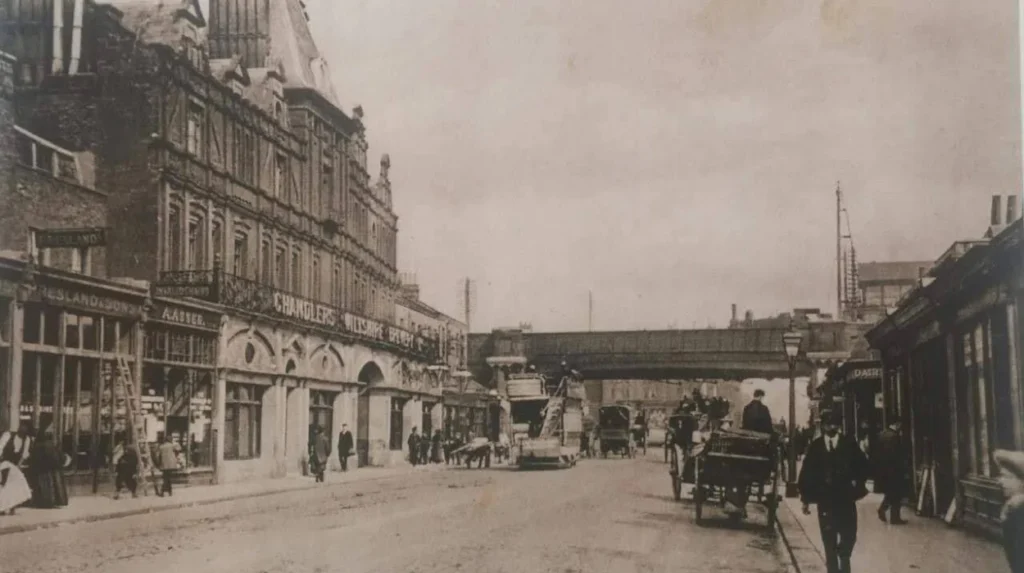
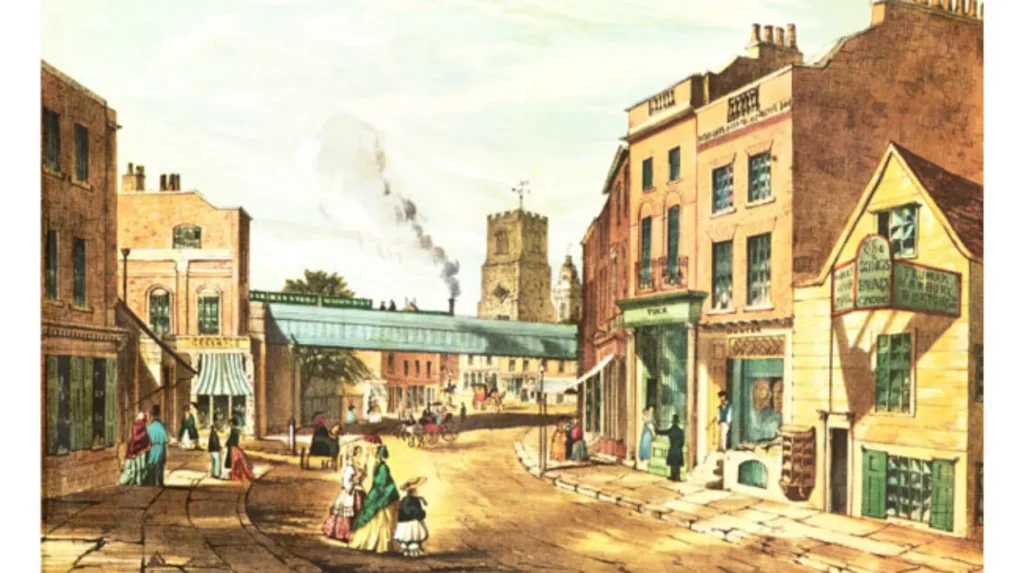
During the 18th and 19th centuries, the character of Hackney evolved significantly. Initially known for market gardening and rural tranquility, it gradually transformed into a more industrial and urban area. The arrival of the railways in the mid-19th century accelerated this process, linking Hackney with wider London and prompting expansion that saw much of the original buildings replaced by streets of terraced houses to accommodate the burgeoning working-class population. Key railway stations such as London Fields, Cambridge Heath, Bethnal Green, and Hackney Downs opened in the 1870s, cementing the borough’s role as an industrial and transport hub. This connectivity brought workshops, factories, and a rise in commercial activity, though it also led to challenges such as overcrowding and poverty by the early 20th century.
War Impact and Post-War Regeneration
Hackney suffered heavily during the Second World War, with widespread damage from bombings disrupting communities and local industries. Post-war years saw many businesses relocating, contributing to unemployment and economic decline in the area. However, regeneration efforts from the late 20th century into the 21st century have transformed Hackney profoundly. Investment in housing, public spaces, and cultural infrastructure helped revive the borough. Community-driven initiatives alongside official urban renewal projects have fostered a vibrant environment where independent businesses, art scenes, and cultural diversity thrive. Today, Hackney is known for its dynamic street art, markets, and locally-owned shops, alongside a strong sense of historical pride.
Cultural and Social Landscape
Hackney’s population is known for its diversity, mixing long-term residents with newer arrivals drawn by its creative and inclusive atmosphere. The borough is characterized by multicultural communities that contribute to a broad range of festivals, food offerings, and artistic expressions. The area’s history of social activism and community organization plays a crucial role in shaping its contemporary identity. This mix of heritage and innovation makes Hackney a unique part of East London, balancing preservation of historical sites with cutting-edge cultural developments.