Harold Park, a serene northeastern suburb in the London Borough of Havering, offers timeless appeal with its riverside location and rich heritage. Nestled between the A12 Eastern Avenue and the River Ingrebourne, this East London enclave blends natural beauty, history, and modern leisure for locals seeking evergreen escapes.
Historical Roots
Harold Park’s story traces back to its position as the northeastern extension of Harold Wood, named after King Harold II who once held the Havering manor. In 1868, a Brentwood solicitor constructed Harold Court mansion south of the river and railway, which faced bankruptcy and later served as a children’s home, lunatic asylum, sanatorium, teacher training college, and now private flats.
Post-World War I development saw Essex builders Iles and Company create the “Sunnytown” bungalow estate at Horse Block Farm northeast of Harold Court Road. Harold Court Primary School opened in 1929 amid a still-rural landscape that gradually urbanized with housing and riverside industry.
Geography and Location
Positioned on the London-Essex border, Harold Park occupies an isthmus flanked by the River Ingrebourne to the south and the A12 to the north. The Weald Brook marks part of the historic boundary, now adjusted to follow the M25 at Junction 28 and A12 to Putwell Brook where the brooks converge.
This 48-acre area connects to broader green corridors, including nearby Harold Wood Park’s meadows and Paine’s Brook wildlife habitats. Proximity to Romford (southwest) and Brentwood (east) makes it accessible yet tranquil.
Local Governance Evolution
Originally in Hornchurch civil parish’s northeastern protrusion, Harold Park fell under Romford Rural District until 1926, then Hornchurch Urban District. In 1965, it joined the London Borough of Havering under the London Government Act, with the Greater London Council handling wider services until 1986.
Today, it lies in the Hornchurch and Upminster parliamentary constituency, governed by Havering Council—a unitary authority managing council tax, planning, housing, and parks. The council emphasizes community upkeep, including local green spaces.
Iconic Landmarks: Harold Court
Harold Court stands as Harold Park’s enduring symbol, built in 1868 and repurposed through decades of social needs. Its conversion to flats preserves Victorian architecture amid modern living, reflecting adaptive reuse common in East London suburbs.
The site’s evolution—from elite residence to public institution—mirrors Havering’s shift from rural manor to commuter haven.
Golfing Paradise: Maylands Golf Club
Founded in 1937 as Maylands Golf Club at Harold Park, this Harry Colt-designed 18-hole course winds through ancient woodland with tree-lined fairways, strategic bunkers, and water hazards. Spanning Colchester Road (RM3 0AZ), it challenges all skill levels with two nine-hole loops returning to the clubhouse.
The club fosters community events and wildlife amid mature trees, embodying Harold Park’s blend of recreation and nature.
Natural Attractions and Walks
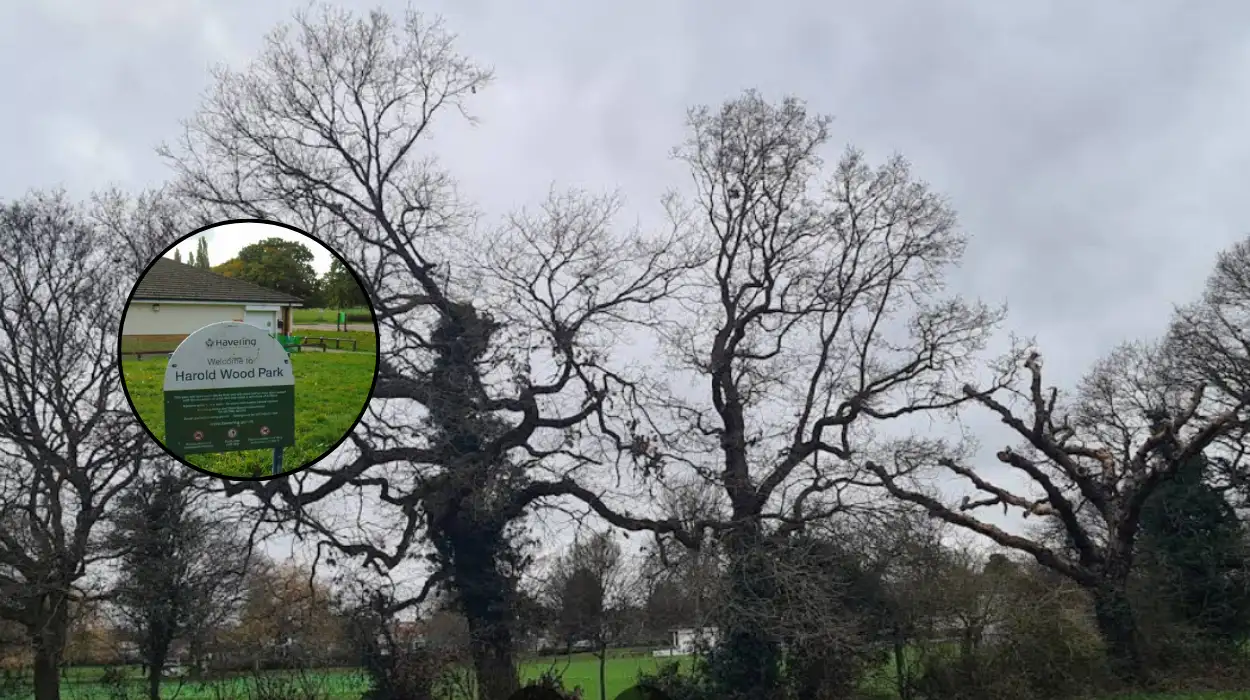
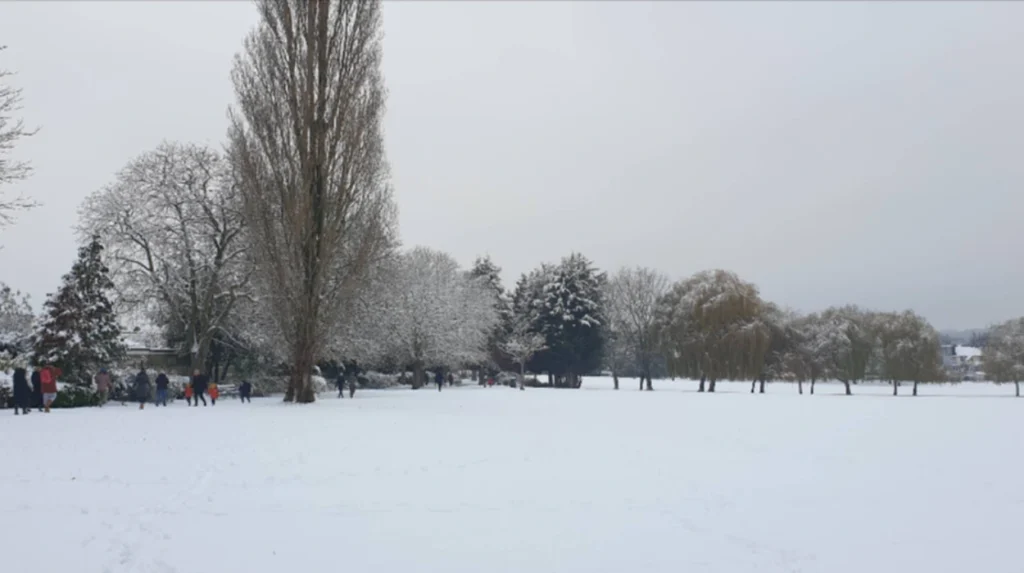
The River Ingrebourne defines Harold Park’s charm, offering scenic walks along its banks teeming with wildlife. Adjacent Harold Wood Park provides 48 acres of grassland, play areas, tennis courts, football pitches, and a conservation meadow from a former golf course.
Footpaths form wildlife corridors linking to Harrow Lodge Park’s 130 acres, ideal for circular strolls and birdwatching. Evergreen meadows and river management by Havering Council and the Environment Agency ensure year-round appeal.
Modern Amenities and Community Life
Harold Court Primary School anchors family life since 1929, serving a growing residential area. Riverside industry adds employment, while bungalows from the 1920s Sunnytown estate offer cozy housing.
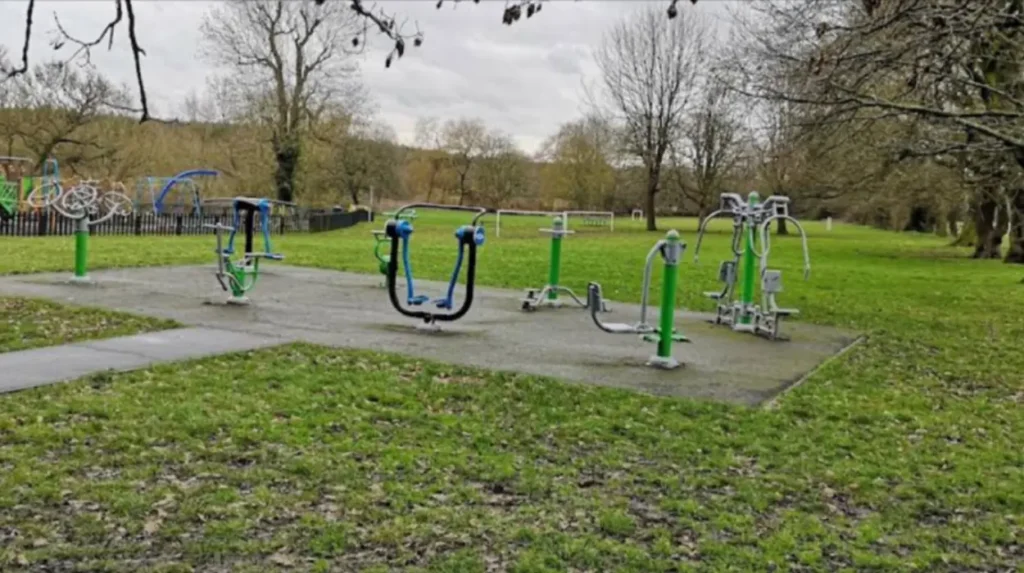
Havering Council’s parks team maintains open spaces, with facilities like outdoor gyms and MUGA in nearby Harold Wood Park. The area suits families, golfers, and nature lovers seeking suburban peace.
Transport Connections
Harold Wood station (Elizabeth line) lies minutes away, linking to central London in under 30 minutes. Nearest stations include Gidea Park, Emerson Park, Upminster, Brentwood, and Shenfield.
Buses (256, 294, 347, 646, 656) stop nearby, with free parking at Harold Wood Park entrances. The A12 provides road access, balancing convenience and quiet.
Things to Do Year-Round
- Explore River Ingrebourne trails for peaceful hikes and fishing spots.
- Tee off at Maylands Golf Club for a Colt classic round.
- Picnic in Harold Wood Park’s meadows or use tennis courts and playgrounds.
- Visit Harold Court flats for architectural glimpses or join local history walks.
- Attend community events at nearby Queen’s Theatre Hornchurch.
These activities highlight Harold Park’s evergreen allure, from dawn golf to dusk riverside strolls.
Living in Harold Park
Residents enjoy low-density bungalows, proximity to Romford’s shops, and green buffers against urbanization. Property from interwar estates appeals to downsizers, with average prices reflecting Havering’s affordability versus inner East London. Strong community ties and council services enhance quality of life.
Schools like Harold Court Primary and access to Havering’s leisure facilities make it family-friendly.
Why Harold Park Endures
This Havering nook captivates with unspoiled riverscapes, storied mansions, and golf heritage—perfect for East Londoners craving timeless retreats. Its evolution from rural isthmus to connected suburb ensures lasting relevance.
Whether teeing up at Maylands or wandering Ingrebourne paths, Harold Park delivers enduring East London charm