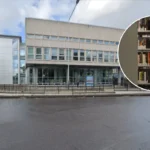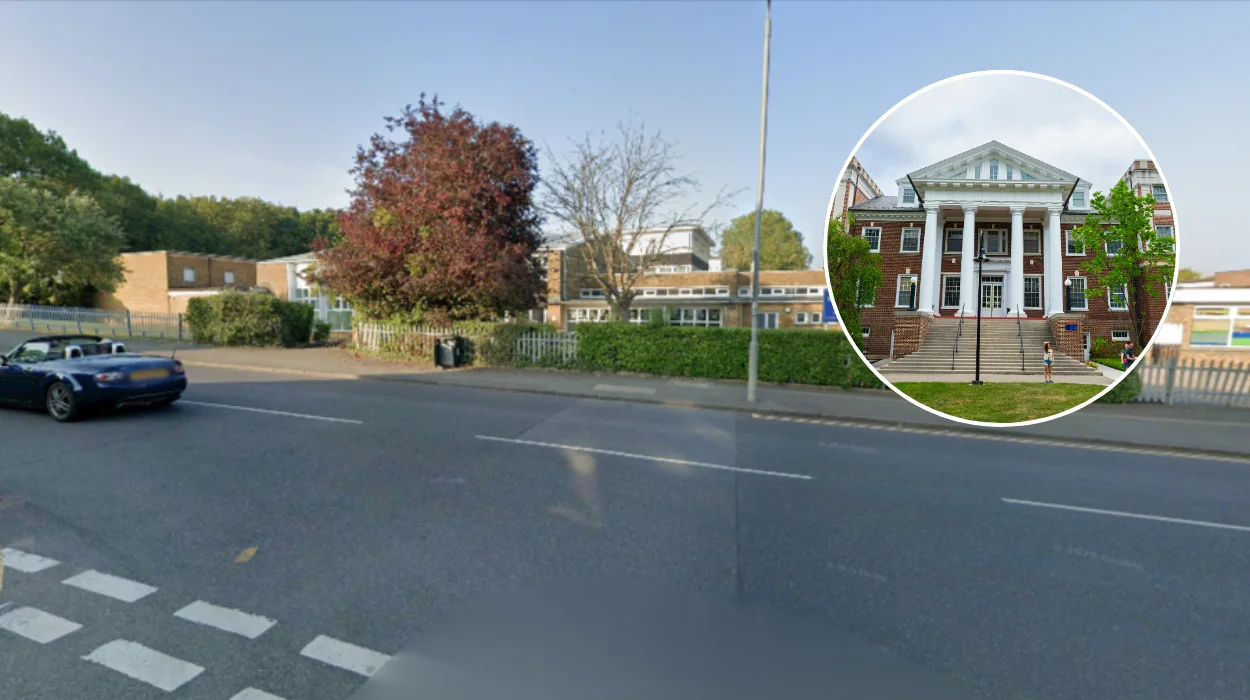
For over seven decades, Havering College of Further and Higher Education has shaped the futures of countless students in East London’s vibrant Havering borough. Nestled in Hornchurch, this institution offers timeless pathways to skills, qualifications, and careers that remain relevant for locals seeking growth amid the area’s dynamic community life.
Origins and Historical Roots
Havering College traces its beginnings to 1947, sparked by the Education Act 1944, when Essex authorities acquired the Nelmes Estate, including Victorian Ardleigh House and 15 acres of land in Hornchurch. Initially a modest youth and community center, it hosted part-time day-release courses in basic upstairs rooms, evolving into the Ardleigh House Centre for Further Education.
By 1949, plans expanded with approved funding for 14,000 square feet of new administration, teaching spaces, and facilities for 400 students, including an assembly hall and craft workshops. A.W. Ebdon became the second warden in 1958, overseeing completion and renaming it Hornchurch College of Further Education, marking its rise as a dedicated further education hub.
Key Milestones in Expansion
The 1970s brought a push for higher training standards amid space shortages, resolved by adopting the Quarles School site in Harold Hill. This multi-site growth solidified its role in serving Havering’s working-class communities, with a 1992 incorporation as Havering College of Further and Higher Education, reflecting its broadened scope.
Operating across three main sites—Hornchurch’s Ardleigh Green, Harold Hill’s Quarles Campus, and outreach centers—the college modernized facilities over time, boasting industry-standard equipment by the 2010s. Principal Maria Thompson led efforts to update infrastructure, ensuring state-of-the-art learning environments.
Campuses and Facilities Today
Havering’s campuses blend historic charm with contemporary upgrades, ideal for East London residents valuing accessible education. The flagship Ardleigh Green Campus in Hornchurch features expanded classrooms, vocational workshops, and communal areas from its 1950s builds, now enhanced with digital labs and creative studios.
Quarles Campus in Harold Hill emphasizes practical training, utilizing former school grounds for apprenticeships and adult learning. Satellite sites extend reach into Havering’s diverse neighborhoods, supporting part-time courses for those balancing work or family.
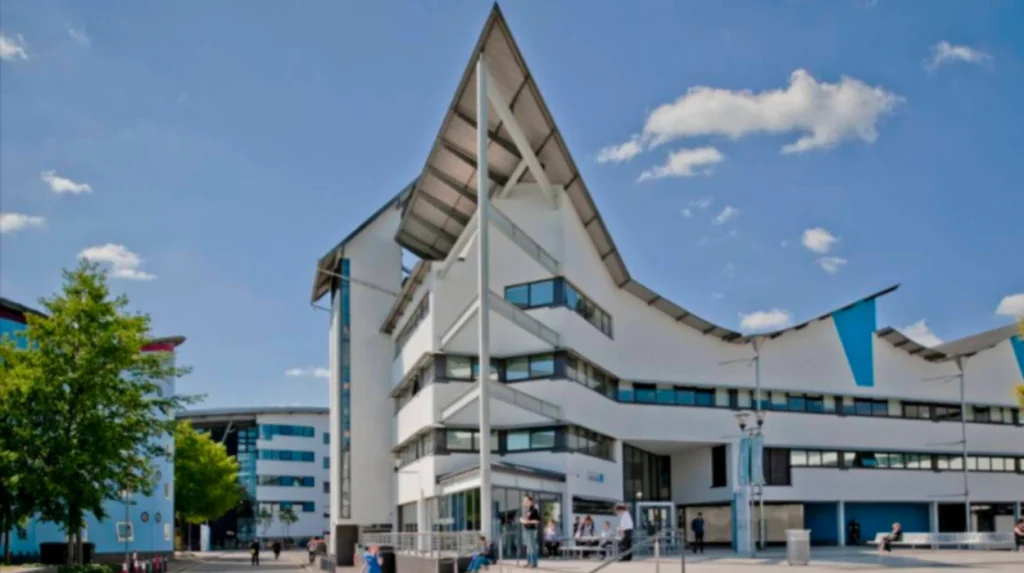
Academic Programs Offered
Havering College delivers a wide array of full- and part-time courses for ages 14+, from GCSEs and A-Levels to BTECs, NVQs, and higher education degrees. Vocational paths shine in construction, health and social care, business, engineering, and creative arts, aligning with East London’s job market needs.
Higher education options include foundation degrees and HNCs/HNDs in partnership with universities, focusing on employability. Adult learners access ESOL, access courses, and professional development, making it a lifelong learning anchor for Havering families.
Vocational Training Strengths
East London’s Havering borough thrives on skilled trades, and Havering College excels here with hands-on facilities like motor vehicle workshops, hair and beauty salons, and construction suites. Apprenticeships in plumbing, electrical work, and childcare prepare students for local employers, from small firms to larger East London networks.
Programs emphasize real-world application, with industry-standard tools mirroring those at sites like nearby Rainham or Upminster businesses, fostering direct pathways to employment.
Higher Education Pathways
Beyond further education, the college offers university-level qualifications, including BA (Hons) in areas like graphic design and business management. These validated by partners like Anglia Ruskin University provide affordable alternatives to traditional unis, perfect for Havering commuters avoiding central London costs.
Success rates rank it among the top 10% of UK colleges by size, with strong progression to degrees or jobs, supporting East London’s ambition for social mobility.
Student Support Services
Havering prioritizes inclusivity with dedicated support for diverse East London needs, including learning mentors, counseling, and financial aid via bursaries. Careers advice, job placement, and work experience placements connect students to local opportunities in retail, logistics, and public services.
Accessibility features like ramps, adaptive tech, and multilingual support cater to Havering’s multicultural population, ensuring no one is left behind.
Community Engagement Role
As an evergreen pillar, Havering College partners with local councils, businesses, and schools for outreach like summer programs and employer fairs. It contributes to Havering’s regeneration, upskilling residents for growth sectors like tech and green energy amid East London’s evolution.
Events such as open days and community workshops strengthen ties, embodying the borough’s community spirit from its post-war roots.

Achievements and Recognition
Ofsted inspections have praised its teaching quality and student outcomes, with the college earning accolades for vocational excellence. High pass rates and progression stats—over 90% in key areas—underscore its reliability for Havering parents and career-changers.
Alumni stories highlight successes in nursing, engineering, and entrepreneurship, reinforcing its legacy in East London education.
Havering College continues adapting, investing in digital skills, sustainability courses, and mental health training to meet ongoing demands. As East London grows, it remains a stable choice for timeless education, supporting Havering’s vision as a skilled, thriving borough.