Mare Street in Hackney stands as a vibrant artery pulsing through East London’s creative core, blending centuries of history with modern energy. This thoroughfare offers locals and visitors an evergreen mix of heritage sites, indie shops, and cultural gems perfect for exploration.
Ancient Origins and Name
Mare Street traces its roots to the 15th century as Merestret, one of Hackney’s earliest central roads. The name likely derives from Old English “mǣre,” meaning boundary with Stepney parish, or “mere,” referencing a pond fed by Hackney Brook. By 1593, the Flying Horse Inn marked it as a key staging post for travelers, establishing its role in parish life.
By 1720, Mare Street had become Hackney’s most populous stretch, drawing wealthy residents fleeing London’s plagues and fires. Saxon settlements from the 5th-6th centuries, known as Haca’s ey or “raised ground in marshland,” laid the groundwork near modern St Augustine’s Tower.
Georgian and Victorian Evolution
The 18th century saw St Thomas’ Hospital and a Congregational chapel rise along the street, signaling growth. Georgian mansions like 195 Mare Street, built in 1697 as a grand country house, hosted the Elizabeth Fry Refuge for ex-prisoners from 1860-1913. Mary Wollstonecraft resided at 373–375 Mare Street in 1784, penning early feminist works.
Victorian railways arrived in 1872 via the Great Eastern Railway, spurring residential booms and institutions like Morley Hall, now the Electric Cinema site. Trams in the 1870s and Hackney Brook culverting transformed rural vibes into urban bustle, with terraced housing replacing estates.
Iconic Landmarks
St Augustine’s Tower, a 14th-century remnant of the medieval church, anchors the northern Narroway pedestrian zone. The Grade II* Hackney Empire at 291 Mare Street, Frank Matcham’s 1901 music hall, once hosted Charlie Chaplin and now thrives as a theater.
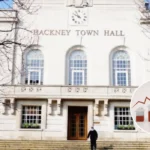
Hackney Town Hall, a 1930s Art Deco gem in Portland Stone, faces Town Hall Square with landscaped grounds. The Old Town Hall from 1802, now a pub and bakery, stands by the tower as a Grade II listed survivor. London College of Fashion at 182 Mare Street incorporates historic Cordwainers’ College.
Cultural and Modern Scene
Mare Street buzzes with indie energy at Mare Street Market, a 10,000 sq ft hub for dining, crafts, and shops like Rebel Rebel florist. The Viktor Wynd Museum of Curiosities showcases shrunken heads and art in a former call center. Recent upgrades include resurfaced paving and safety lighting on nearby roads.
Music spots like Ocean at the Methodist Hall and events at 270 Mare Street draw young artists. Street art by Banksy and Stik dots the area, complementing Broadway Market’s food stalls.
Economy and Daily Life
Northern Narroway thrives as a traffic-free shopping strip with Tesco origins nearby and Burberry’s former factory outlet. Businesses like Mare Street Studios offer chic offices with BREEAM sustainability. Ash Grove bus garage and council offices sustain jobs, alongside NHS at Homerton Hospital.
Retail pitches host independents, from barbers to record stores, fueling Hackney’s creative economy. Developments like depot relocations at 51-61 Mare Street aim for mixed-use workspaces.
Conservation and Future Plans
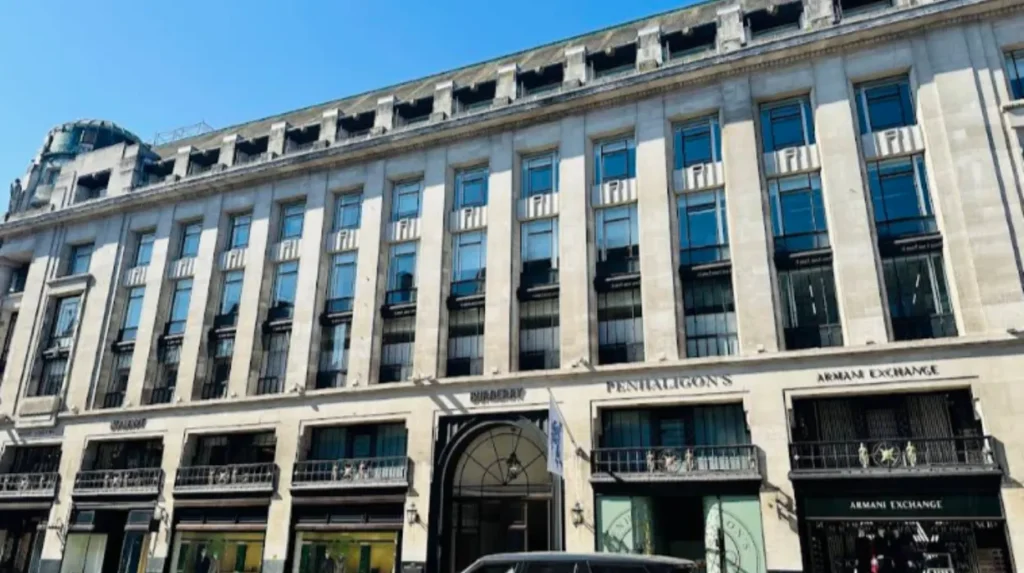
Designated a conservation area in 2000, Mare Street preserves Edwardian buildings and the Lansdowne Club (Grade II*). Yet, it faces “poor” condition risks, with efforts to restore sites like 195 Mare Street into family homes with arts spaces.
Hackney Council’s masterplan envisions walkable crossings, active frontages, and rationalized depots for housing. Wayfinding strategies address traffic barriers, promoting pedestrian-friendly public realm.
Exploring Tips
Wander north from Hackney Central station for Narroway shops, pausing at St Augustine’s Tower. Southward, hit Hackney Empire then Town Hall Square for culture. Sample Mare Street Market eats or Viktor Wynd oddities evenings.
Buses 38, 55, and Overground links make access easy. Join guided walks via Hackney Museum for hidden histories.
Mare Street embodies East London’s timeless blend of past and present, inviting endless discoveries for Hackney locals.