Key Points
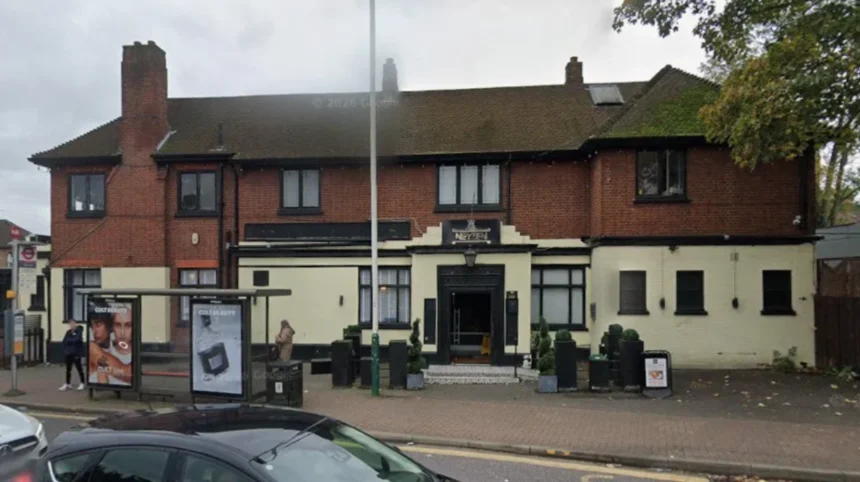
- The historic property at 290 North Street in Romford has undergone a series of rapid transformations, transitioning from a local pub to a troubled restaurant and now an active 10-person house in multiple occupation (HMO).
- Operating previously as The Parkside pub until its closure around 2021, the building subsequently re-opened in March 2023 as the Neyzen Restaurant.
- Neyzen Restaurant was stripped of its licence in March following a multi-agency operation by Home Office immigration officers, who discovered illegal working and a shed on site that prompted serious concerns regarding potential modern-day slavery.
- A subsequent venue at the address, trading as The Triangle, saw its application for a premises licence—covering alcohol sales, live music, and late-night refreshment—refused in July after local residents and councillors raised concerns over late-night anti-social behaviour.
- Havering Council formally refused a planning application for the retrospective conversion of the upper floors into a nine-room, 10-person HMO.
- Just days after the initial refusal, a fresh retrospective planning application was validated by Havering Council to regularise the existing 10-person HMO use, which features nine bedrooms with en-suite bathrooms.
- The local planning authority is currently reviewing the proposal, with a decision statutory deadline targeted for early December.
Romford (East London Times) October 17, 2026 — A multi-use commercial and residential building located in the heart of Romford is currently under intense municipal scrutiny after undergoing a complex series of conversions, spanning from a traditional public house to a licensed eatery shut down over modern-day slavery concerns, and most recently an unauthorised 10-person house in multiple occupation facing potential enforcement action.
- Key Points
- What is the history of 290 North Street from pub to dining venue?
- Why was the restaurant licence revoked over modern-day slavery concerns?
- What happened during the subsequent venture operating as The Triangle?
- How did the premises transition into a 10-person HMO?
- What is the current status of the planning application and potential enforcement action?
- Background of the development at 290 North Street
- Prediction: How this development will affect local residents and tenants
The premises, situated at 290 North Street, has become the focal point of local planning debates and regulatory reviews by Havering Council. Over the past three years, the property has undergone rapid shifts in operation that highlight the wider enforcement challenges faced by local authorities in regulating mixed-use commercial sites across East London.
What is the history of 290 North Street from pub to dining venue?
As recorded by historical local planning documents and community pub registries, the property at 290 North Street originally served the local community as a traditional drinking establishment known as The Parkside pub (and formerly associated with The Squire). The pub permanently ceased trading around 2021, mirroring broader post-pandemic pressures across the hospitality sector.
Following a period of closure, the building was converted into a dining establishment known as the Neyzen Restaurant, which officially opened its doors in March 2023. However, as reported by local journalism sources, the restaurant’s operational life was cut short following severe law enforcement interventions.
Why was the restaurant licence revoked over modern-day slavery concerns?
As reported by local news outlets covering Havering Council licensing hearings, Neyzen Restaurant was stripped of its operating licence in March after a joint investigation involving Home Office immigration enforcement officers uncovered significant legal violations on the property.
During the raid, officials discovered evidence of illegal working practices. Investigators highlighted particular alarm over a temporary shed structure on the premises, which raised severe concerns regarding human exploitation and potential modern-day slavery. The findings led licensing authorities to take immediate regulatory action, revoking the venue’s ability to serve hot food and alcohol.
What happened during the subsequent venture operating as The Triangle?
Following the revocation of Neyzen Restaurant’s licence, the site was rebranded under new management as The Triangle. The operators submitted a formal application for a new premises licence to allow alcohol sales, live and recorded music, and late-night refreshments.
As documented in official records from a Havering Council licensing sub-committee meeting on June 5, councillors examined extensive objections lodged by neighboring residents. Objectors detailed persistent concerns regarding late-night noise disturbances, public nuisance, and escalating anti-social behaviour surrounding the site. Consequently, the council formally rejected the licence application in July.
How did the premises transition into a 10-person HMO?
Parallel to the commercial licensing disputes on the ground floor, the upper levels of 290 North Street were converted into residential accommodation designed as a house in multiple occupation (HMO). The layout was reconfigured into nine distinct bedrooms, each fitted with its own en-suite bathroom facility, intended to house up to 10 residents concurrently.
Despite the property actively taking in tenants, the conversion was carried out without prior planning approval. Havering Council subsequently refused a retrospective planning application (reference P0734.26) seeking to legitimise the nine-room HMO conversion.
What is the current status of the planning application and potential enforcement action?
Just one day after the local authority issued its formal refusal, a revised retrospective planning submission (reference P1151.26) was submitted to Havering Council on October 6 and validated on October 8. The proposal explicitly seeks to regularise the existing residential use without introducing further structural alterations.
According to official council planning registers, local authority inspectors have evaluated the physical space as meeting basic layout and safety thresholds for occupancy. However, because retrospective approval has not been granted, the property remains formally unauthorised under planning law, leaving the landlord exposed to potential enforcement notices if the application is turned down. Havering Council is scheduled to issue its final determination on the proposal by December 3.
Background of the development at 290 North Street
The ongoing saga surrounding 290 North Street reflects a growing wider policy challenge across the London Borough of Havering regarding high-density residential conversions and commercial enforcement. Over recent years, the demand for affordable housing in East London has driven a surge in HMO developments, where property owners reconfigure former commercial or public buildings to maximize tenant density.
In response to rising community concerns over unpermitted conversions, overcrowding, and strain on local infrastructure, Havering Council initiated consultations to implement a borough-wide Article 4 Direction. This planning measure removes automatic permitted development rights, forcing property owners to obtain formal planning consent before converting commercial or single-family properties into shared housing. The history of 290 North Street—moving rapidly from an established neighbourhood pub to a compromised commercial kitchen and an unauthorized HMO—serves as a primary local example of the friction between rapid residential re-development and municipal regulatory compliance.
Prediction: How this development will affect local residents and tenants
The upcoming decision by Havering Council on December 3 will directly impact two primary groups: the current occupants residing inside 290 North Street and the surrounding residential community of Romford.
For the current tenants, an outright refusal of the retrospective application could trigger formal enforcement proceedings by the local authority. This outcome would likely require the landlord to cease operations, resulting in the potential displacement and forced relocation of up to 10 residents in a highly competitive rental market. Conversely, if the retrospective approval is granted, tenants gain secured, legal housing conditions, though potentially at the cost of higher static living density.
For local residents and neighbouring homeowners, the outcome will set an important precedent regarding planning control in North Street. Approval of the HMO may raise ongoing concerns among neighbours regarding street parking availability, waste management, and potential noise disruption. However, a formal planning approval would allow the council to attach strict, legally enforceable management conditions to the property owner. Rejection and subsequent enforcement would reassure local residents that unauthorized commercial-to-residential conversions will face firm municipal intervention.